
 Fraserburgh Football Club was established in 1910. In 1921, they gained admittance to the Highland Football League. Since that time, the club have won the league three times and have won the Highland League Cup on two occasions.
When the Scottish Qualifying Cup (North) was still used to give non-professional clubs the chance to compete in the tournament, Fraserburgh progressed on three occasions. Their most notable appearance came in January 1959, when they faced Dundee at their home ground of Bellslea Park in the first round of the Scottish Cup. At that time, Dundee were a competitive side in the top tier of the Scottish Football League and would finish the season in fourth place before topping the table in 1962. Fraserburgh’s victory was seen as a significant shock. Ultimately, the club would progress no further than the second round, losing narrowly to Stirling Albion 3-4 at home.
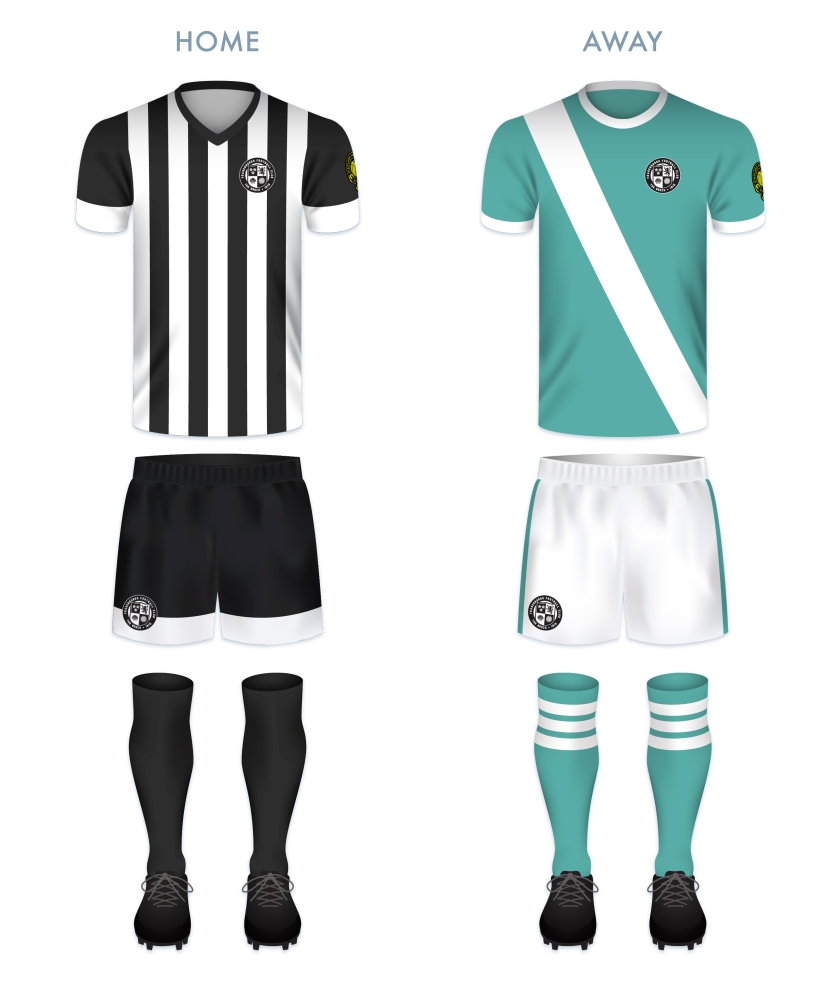
The home kit scheme of black and white vertical stripes has been used by the club for many years. It is said to have been inspired by the kit of Newcastle United by way of a local fisherman. Fraserburgh first used a badge on their kit in 1990 to celebrate their 80th anniversary. The centrepiece of this badge consisted of a shield divided into three segments, with the top left displaying two crossing flags, the top right displaying a football and the bottom portion displaying a lion rampant. The shield was topped with a thistle and flanked by mantling. A banner ran underneath the shield bearing the club’s name.
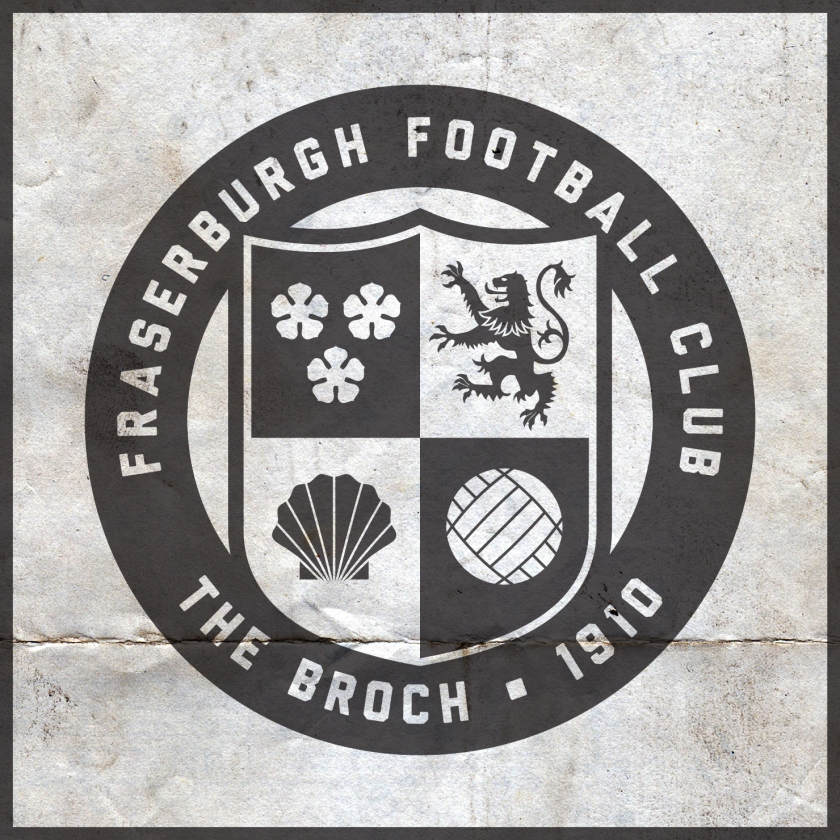
In 2010, the current badge came into use to commemorate the club’s centenary. The club’s nickname, ‘The Broch’, is taken from the Scots word for Fraserburgh. I find this current badge to be somewhat striking in concept, though lacking in execution. The ‘kink’ on the sides of the shield as it begins to curve in the lower-third rubs me the wrong way. Additionally, the presentation of the text is very basic (though I suspect that this is intentional) and apart from the nickname, it displays no symbols linking it to the club’s history nor the locality. I won’t even get started on the issue that the Court of the Lord Lyon might have with this badge.
In redesigning this badge, I wanted to keep with the stark black-and-white colour scheme, but I wanted to present something that echoes some of the club and town’s history. Inspired by the Fraserburgh coat of arms, I designed a shield and divided it into four parts. The three cinquefoils and lion rampant mirror those included on the coat of arms. In the lower left quadrant, I included a shell as Fraserburgh is the largest shellfish port in Scotland and one of the largest in Europe.

For the home kit, I did not stray from the boldness of Fraserburgh’s traditional black and white vertical stripes. The current away kit uses a sky blue, but I opted for a more of a sea green, reflecting the community’s dependence on the sea.
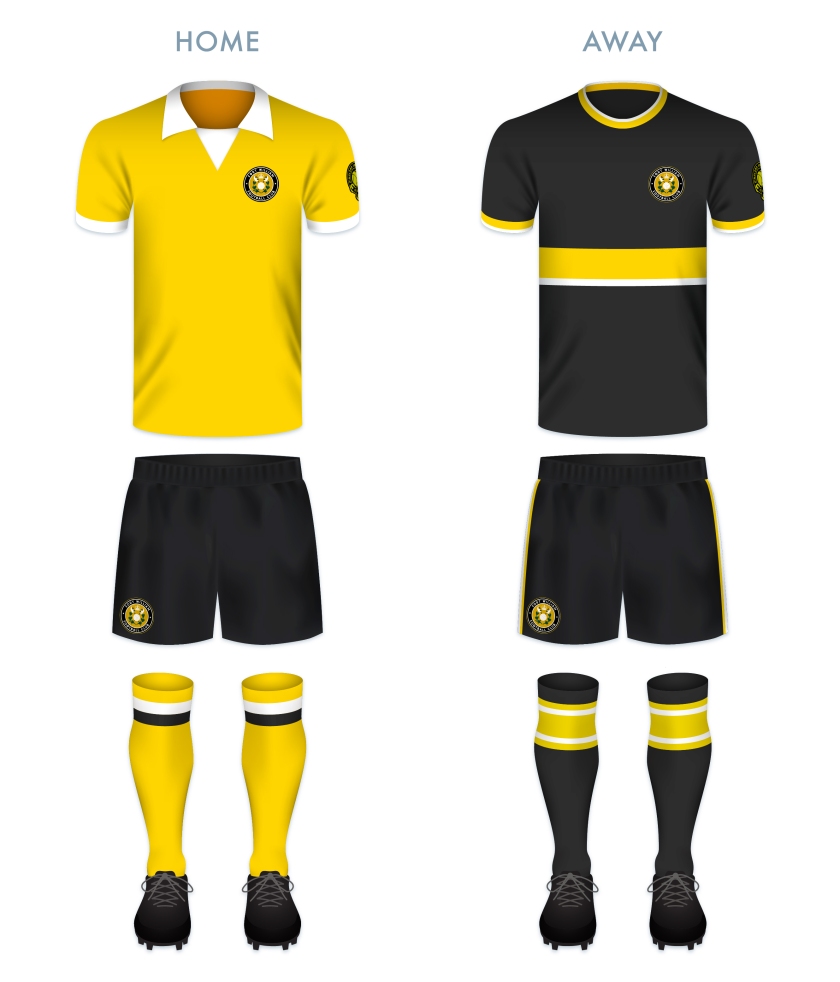
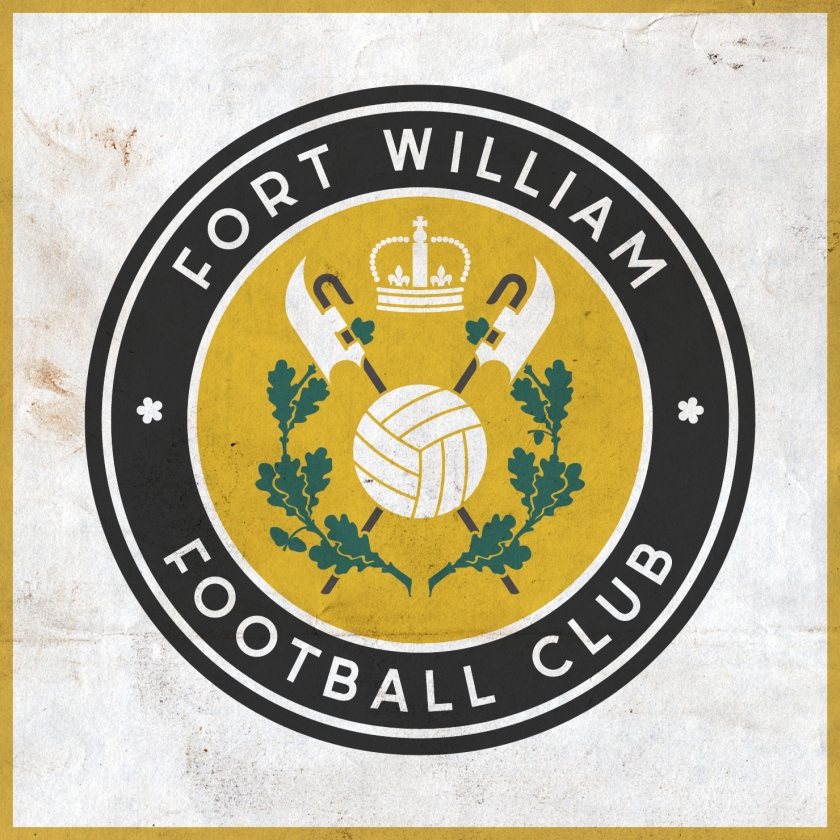
 Fort William Football Club was established in 1974, making the club the second-youngest in the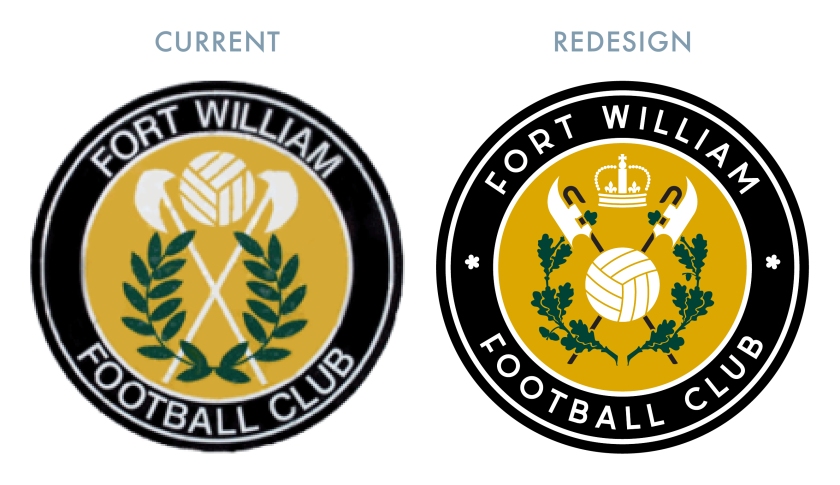
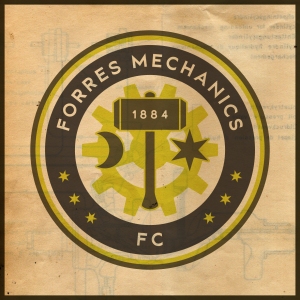 Forres Mechanics Football Club was established in 1884. Several different theories have been posited to explain the club’s unusual name. One theory suggests that the club was formed when students at an establishment called the Forres Mechanics Institute (a number of Mechanics Institutes were established throughout the United Kingdom and former British Empire from 1821) formed their own club.


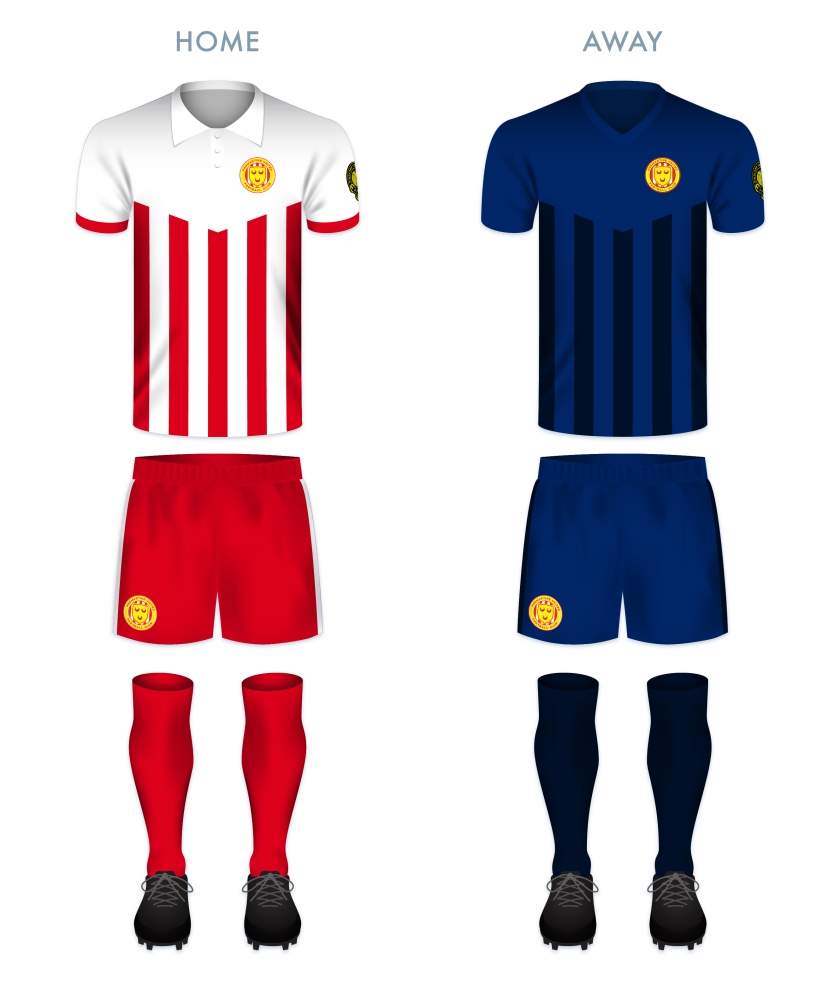
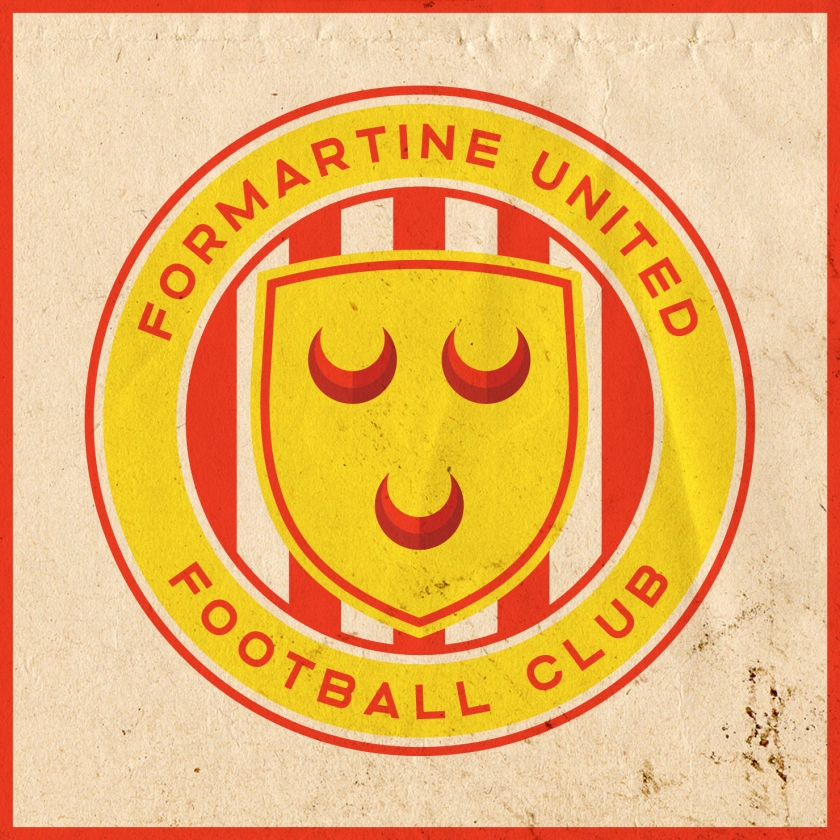
 Formartine United Football Club was established in the village of Pitmedden, Aberdeenshire, in 1948. The exact circumstances of the club’s formation are something of a mystery. It is known that an amateur club, Pitmedden FC, played in the village prior to the founding of United, but the relationship between the two is unclear.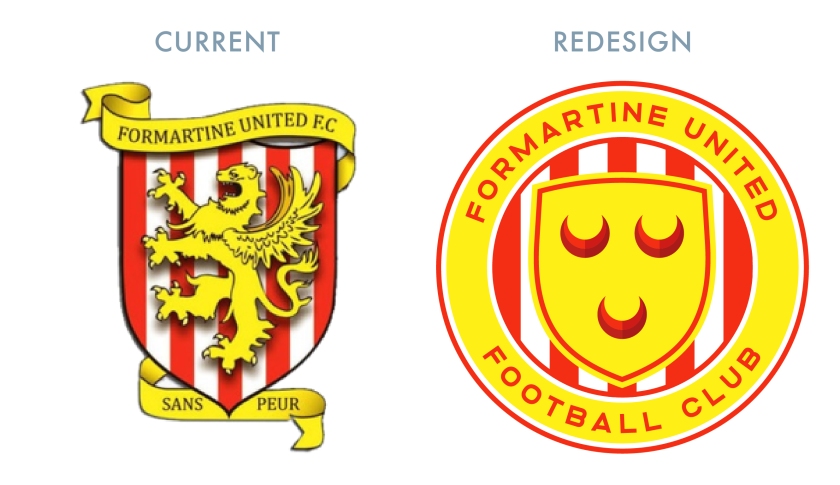
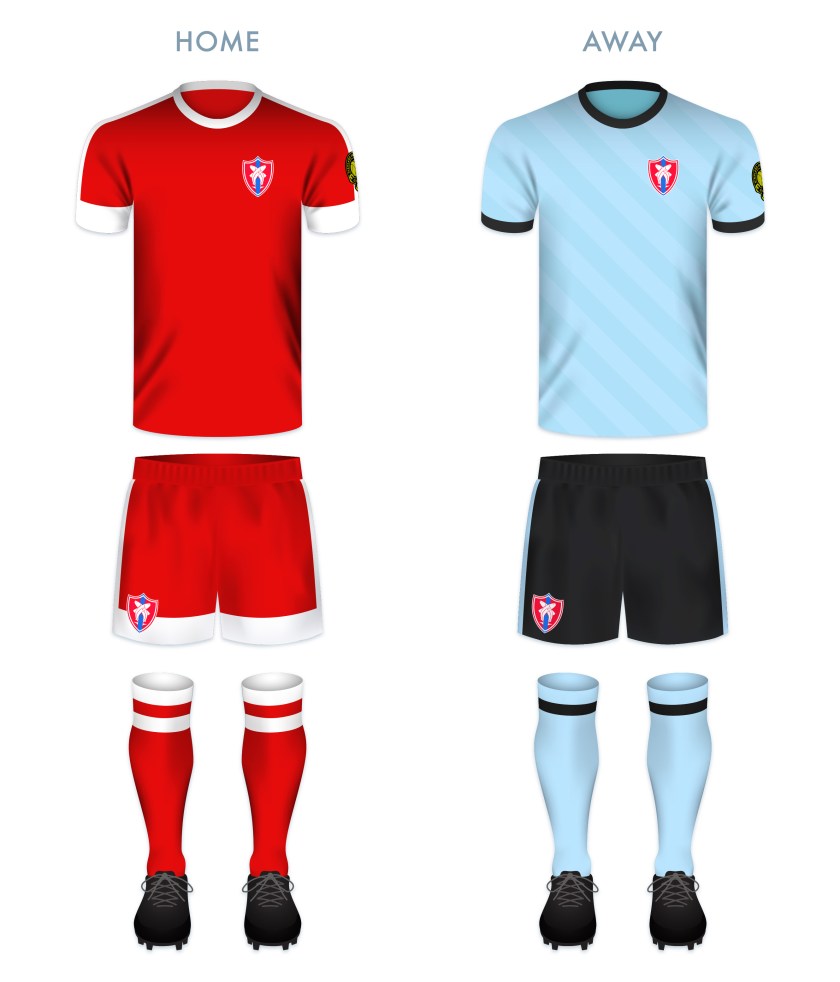
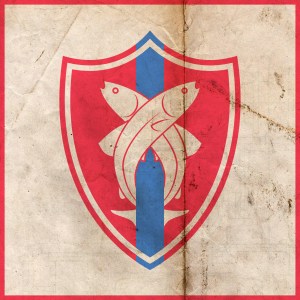 Deveronvale Football Club was established in 1938 at the union of two pre-existing clubs, Deveron Valley and Banff Rovers. The club name comes from the River Deveron, which separates the twin fishing towns of Banff and Macduff on the northern Aberdeenshire coast.

 Cove Rangers Football Club was established in 1922. The club takes its name from Cove Bay, located in the southeastern corner of the city of Aberdeen, in which they play.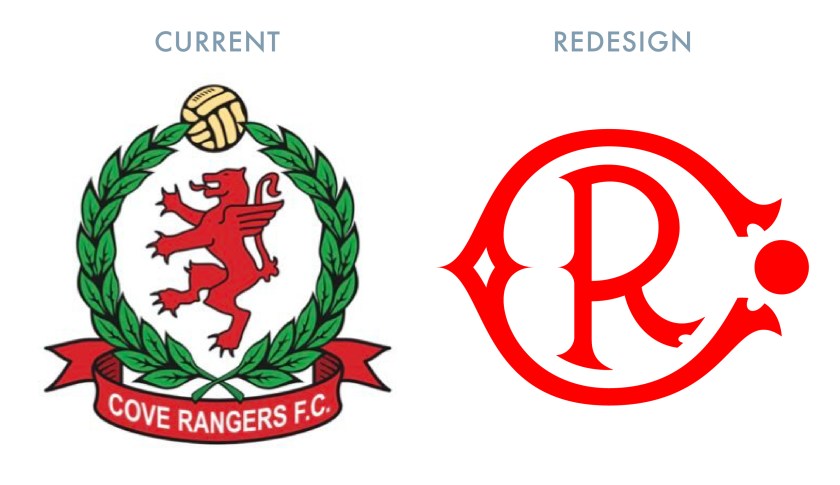

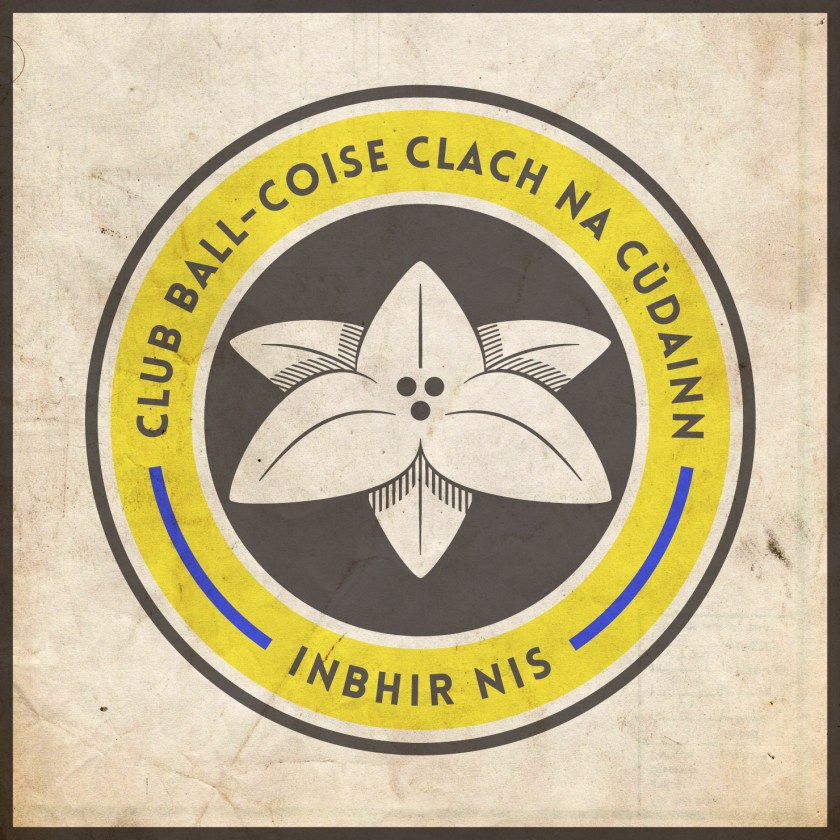
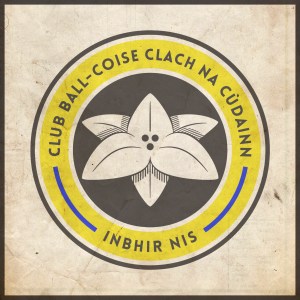 Clachnacuddin Football Club was established in 1885. The name of the club is an Anglicisation of the Scottish Gaelic Clach na Cùdainn, meaning, ‘Stone of the Tub’, a reference to a particular landmark in the club’s locality, the Merkinch area of Inverness. (It is said that Merkinch, which is situated between the Caledonian Canal on the west and the River Ness on the east, was home to a particular stone at which locals would do their washing, hence the ‘tub’.)

 The early history of Buckie Thistle Football Club is something of a mystery. Although the exact year of the club’s founding is unknown, it is accepted generally to have been established in 1889. The club’s green-and-white hooped home shirts resemble that of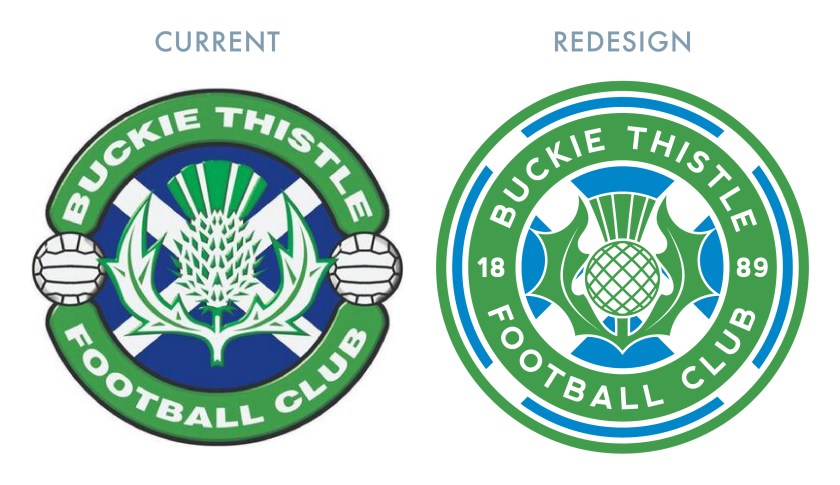


 Brora Rangers Football Club was established in the village of Brora, Sutherland in 1879. In 1933, the club became members of the Scottish Football Association and in 1962, they began to compete in the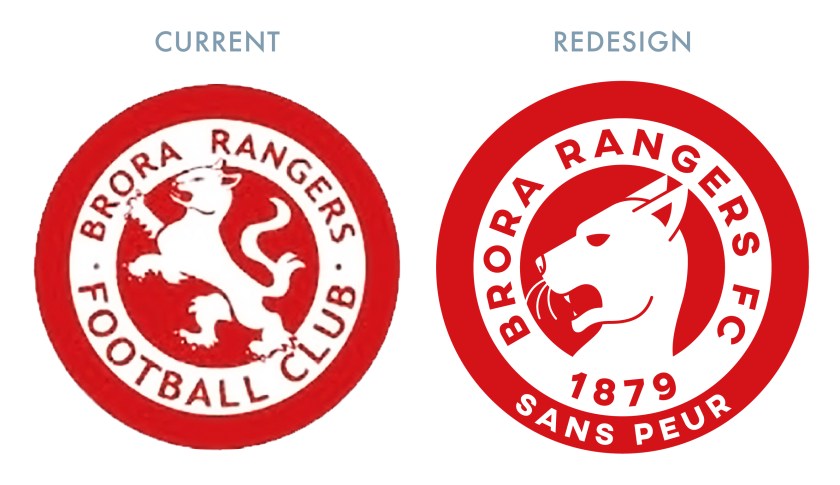
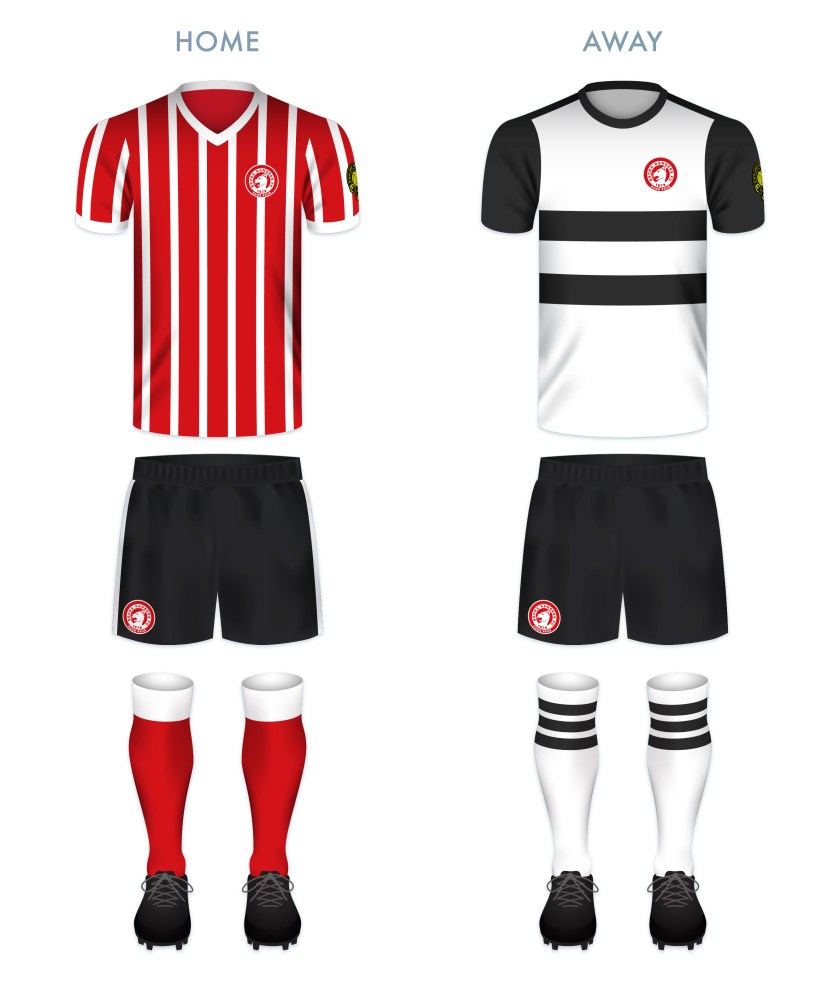
 I first began redesigning Scottish football badges in 2013 as a personal challenge. In 2018, I set myself the task of tweaking or completely redesigning my initial rebrandings, and completing badge and strip redesigns for the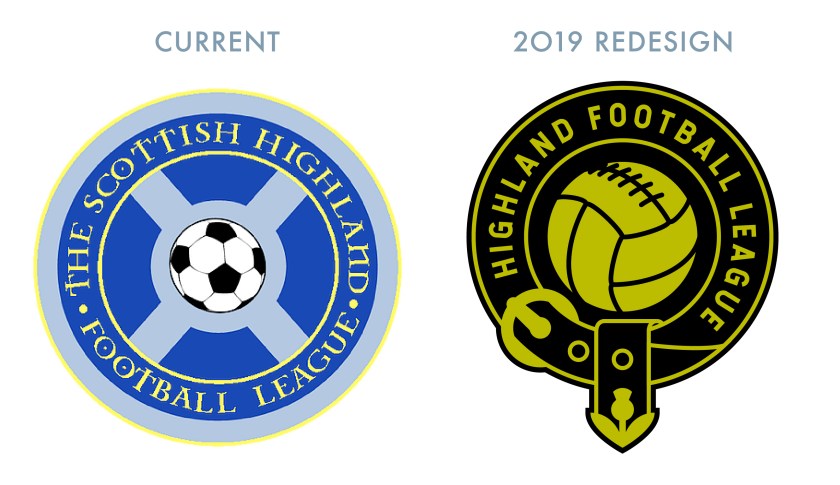

 ellliottt