
 Huntly Football Club was established in 1928. and was admitted to the Highland Football League that same year. By their second season, they had won the league title. But this early success was not indicative of the club’s future form. Over the next six decades, Huntly would win two Highland League Cups and two Aberdeenshire Cups, but another league title evaded them.
The 1990s proved to be the club’s most successful decade to date. In 1992, they won the Aberdeenshire Cup and in 1993, they won both the Highland League Cup and the Scottish Qualifying Cup (North). The following season, Huntly secured the Highland League title for the first time in 64 years. This triumph was accompanied by their second consecutive Highland League Cup and another Aberdeenshire Cup – a Highland treble. The club would go on to win a record five consecutive Highland League titles (1993/94, 1994/95, 1995/96, 1996/97, 1997/98), during which time they also won an additional Highland League Cup (1995/96), three consecutive Aberdeenshire Cups (1993/94, 1994/95, 1995/96) and two Scottish Qualifying Cups (North) (1994/95, 1996/97). The club would add to their silverware tally in the 1999/2000 season, winning one more Aberdeenshire Cup and one more Scottish Qualifying Cup (North). Huntly’s most recent Highland League title came in 2005.
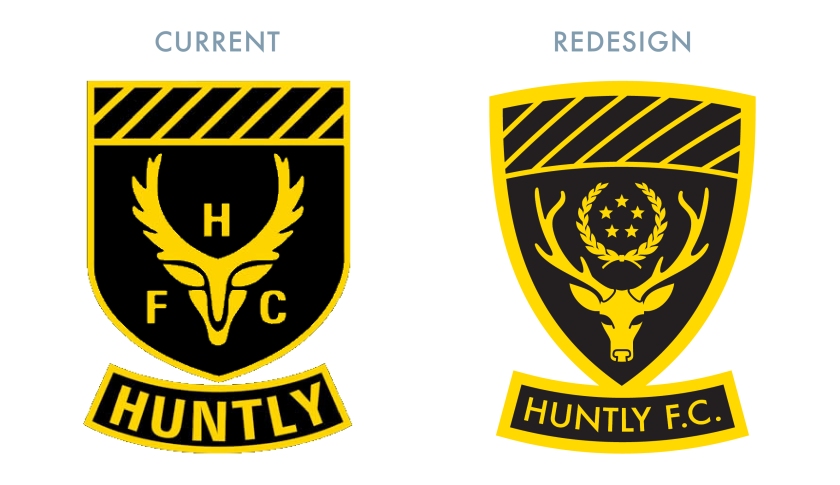
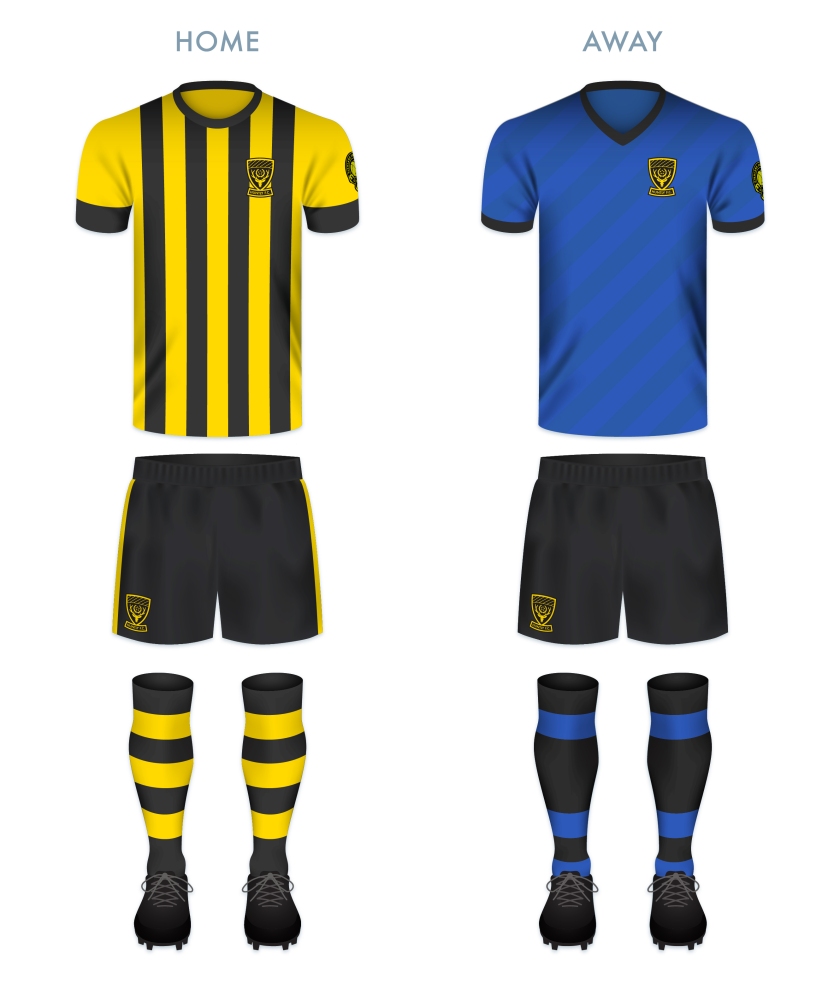
The current Huntly badge (and the overall Huntly colour scheme) is derived from the black and gold heraldic blazon of the Stewart Earls of Atholl (who were the Lords of Strathbogie, the former name of Huntly, in the Middle Ages). The stylised stag’s head comes from the arms of the Earl (and later, Marquess) of Huntly. For my redesign, I sought to keep the main features of the current badge, but to bring it into compliance with the heraldic laws of Scotland by removing the club’s initials from the shield itself. Although the stylised stag’s head is a striking design feature, my mind interprets the ears as the stag’s eyes. I decided to make a more anatomically accurate stag’s head for my redesign. The laurel wreath and five stars represent Huntly’s dominant form in the 1990s and standing record of five consecutive Highland League championships.
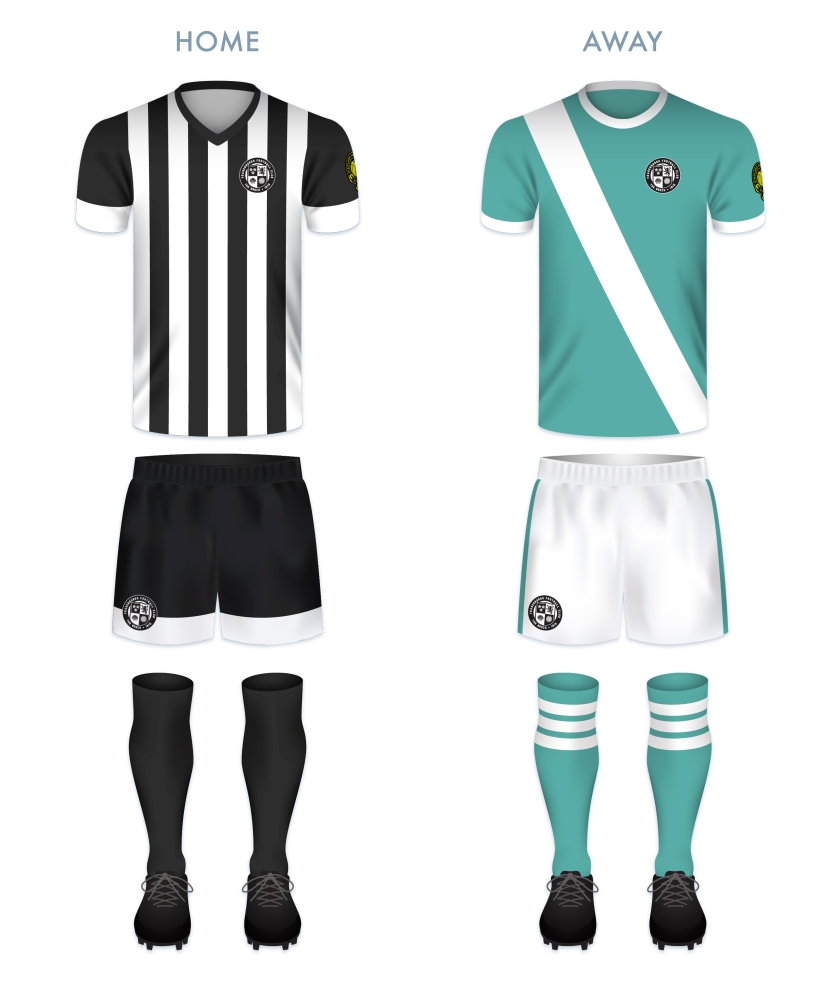
 Fraserburgh Football Club was established in 1910. In 1921, they gained admittance to the
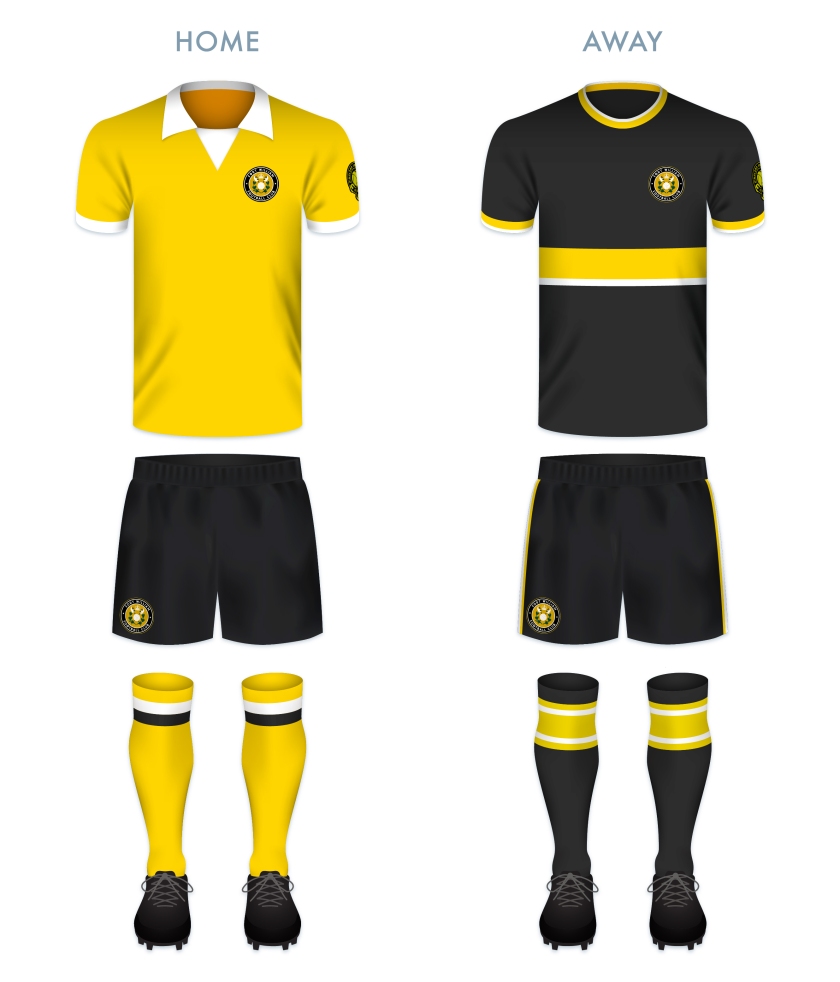
 Fort William Football Club was established in 1974, making the club the second-youngest in the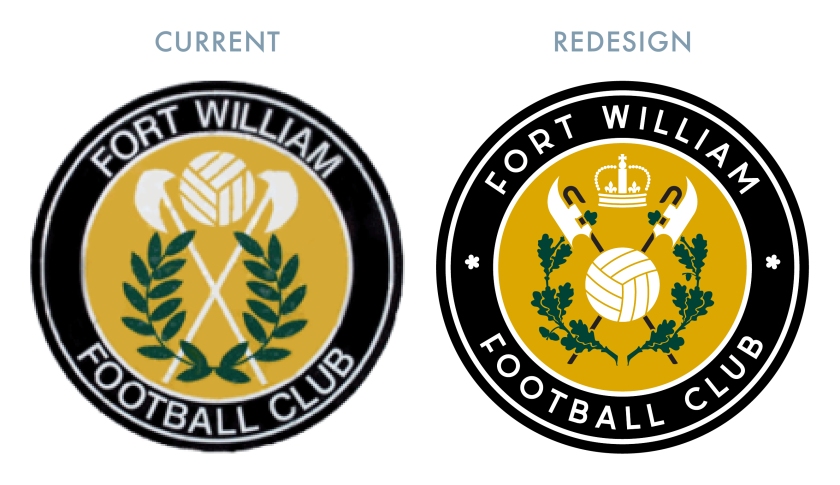
 Forres Mechanics Football Club was established in 1884. Several different theories have been posited to explain the club’s unusual name. One theory suggests that the club was formed when students at an establishment called the Forres Mechanics Institute (a number of Mechanics Institutes were established throughout the United Kingdom and former British Empire from 1821) formed their own club.


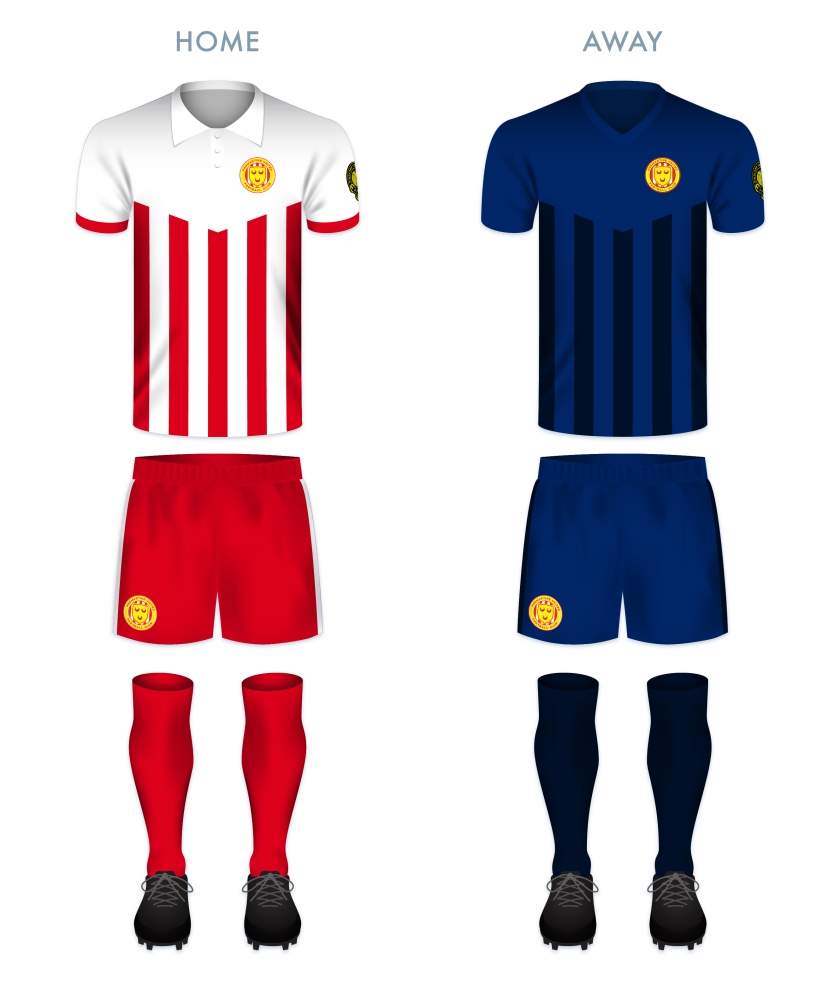
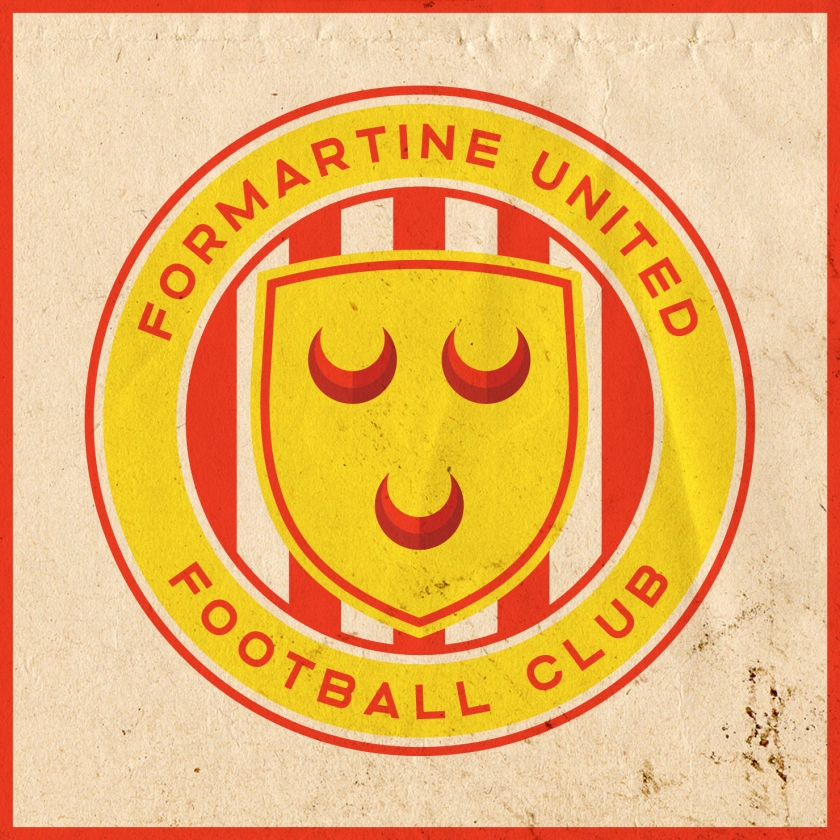
 Formartine United Football Club was established in the village of Pitmedden, Aberdeenshire, in 1948. The exact circumstances of the club’s formation are something of a mystery. It is known that an amateur club, Pitmedden FC, played in the village prior to the founding of United, but the relationship between the two is unclear.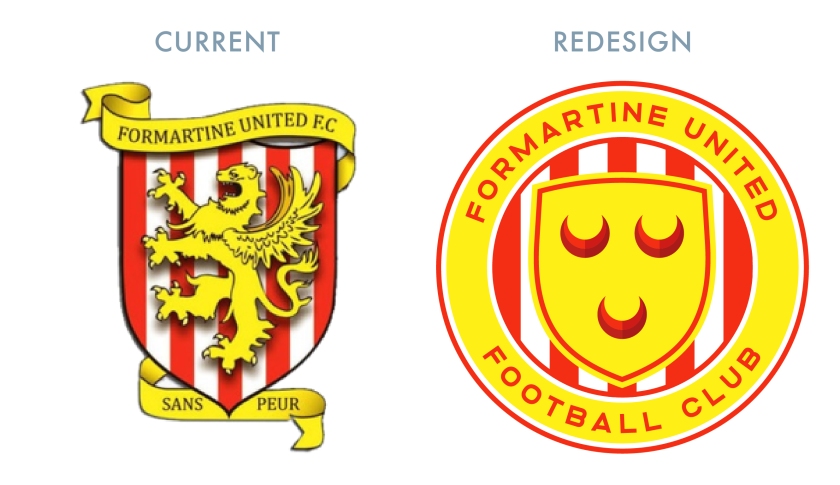
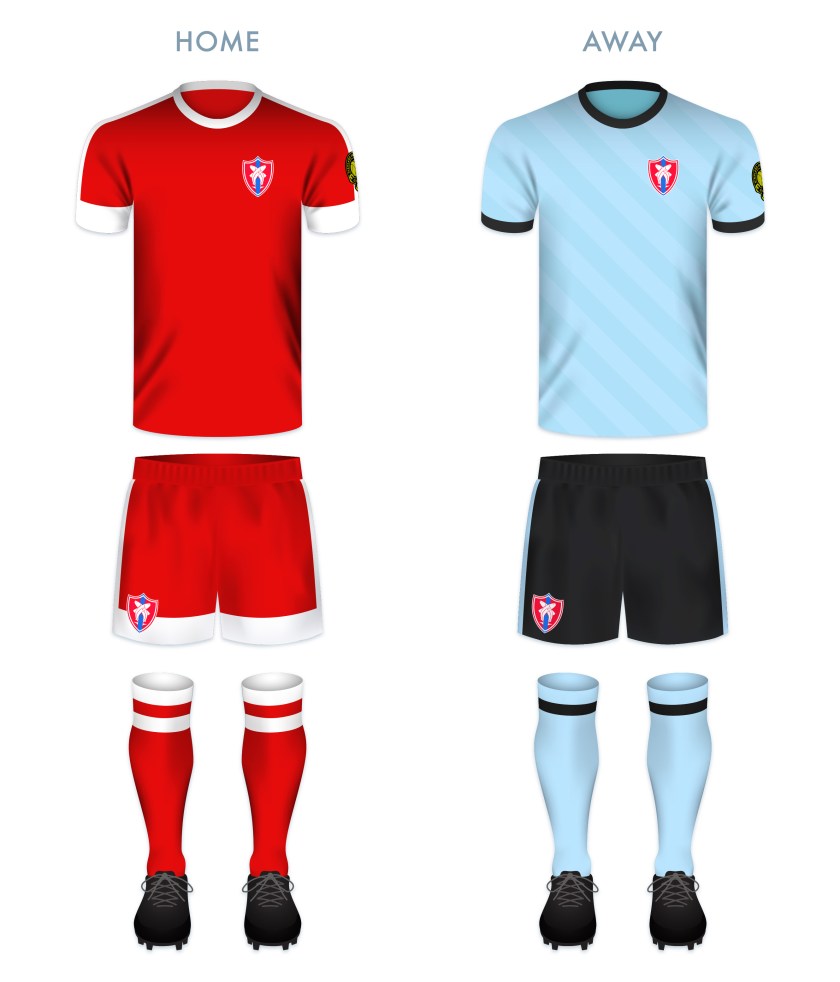
 Deveronvale Football Club was established in 1938 at the union of two pre-existing clubs, Deveron Valley and Banff Rovers. The club name comes from the River Deveron, which separates the twin fishing towns of Banff and Macduff on the northern Aberdeenshire coast.

 Cove Rangers Football Club was established in 1922. The club takes its name from Cove Bay, located in the southeastern corner of the city of Aberdeen, in which they play.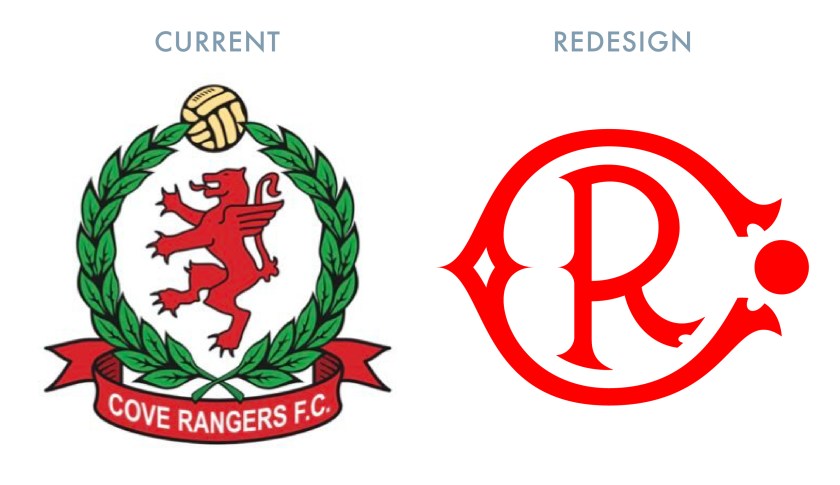

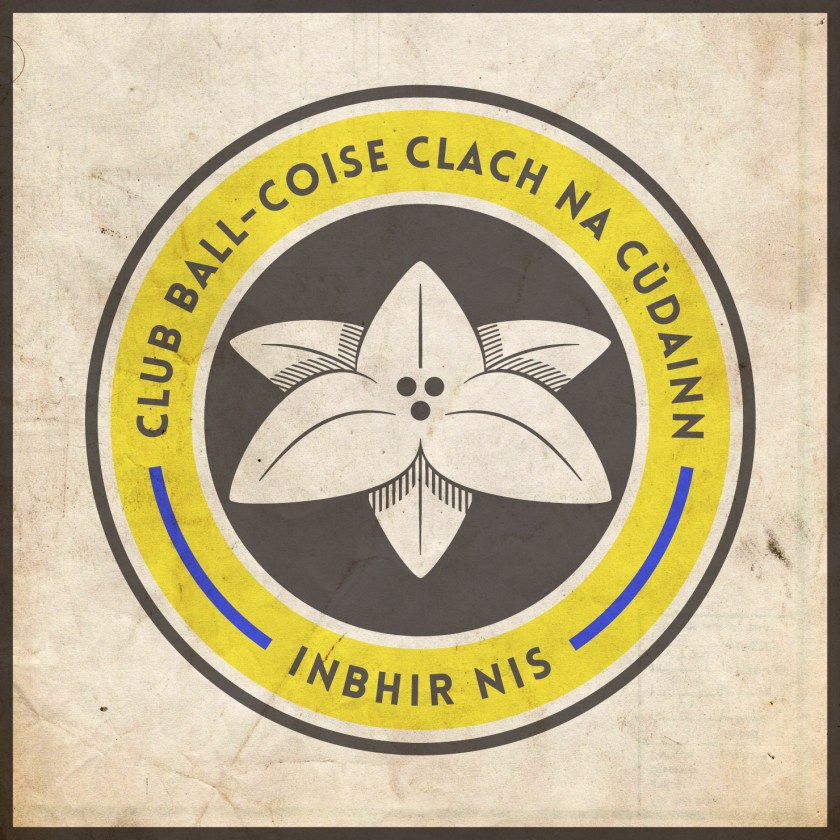
 Clachnacuddin Football Club was established in 1885. The name of the club is an Anglicisation of the Scottish Gaelic Clach na Cùdainn, meaning, ‘Stone of the Tub’, a reference to a particular landmark in the club’s locality, the Merkinch area of Inverness. (It is said that Merkinch, which is situated between the Caledonian Canal on the west and the River Ness on the east, was home to a particular stone at which locals would do their washing, hence the ‘tub’.)

 The early history of Buckie Thistle Football Club is something of a mystery. Although the exact year of the club’s founding is unknown, it is accepted generally to have been established in 1889. The club’s green-and-white hooped home shirts resemble that of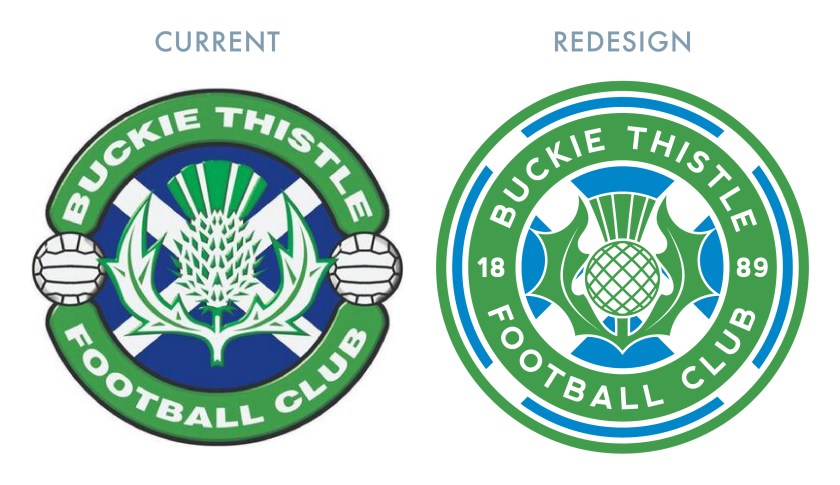


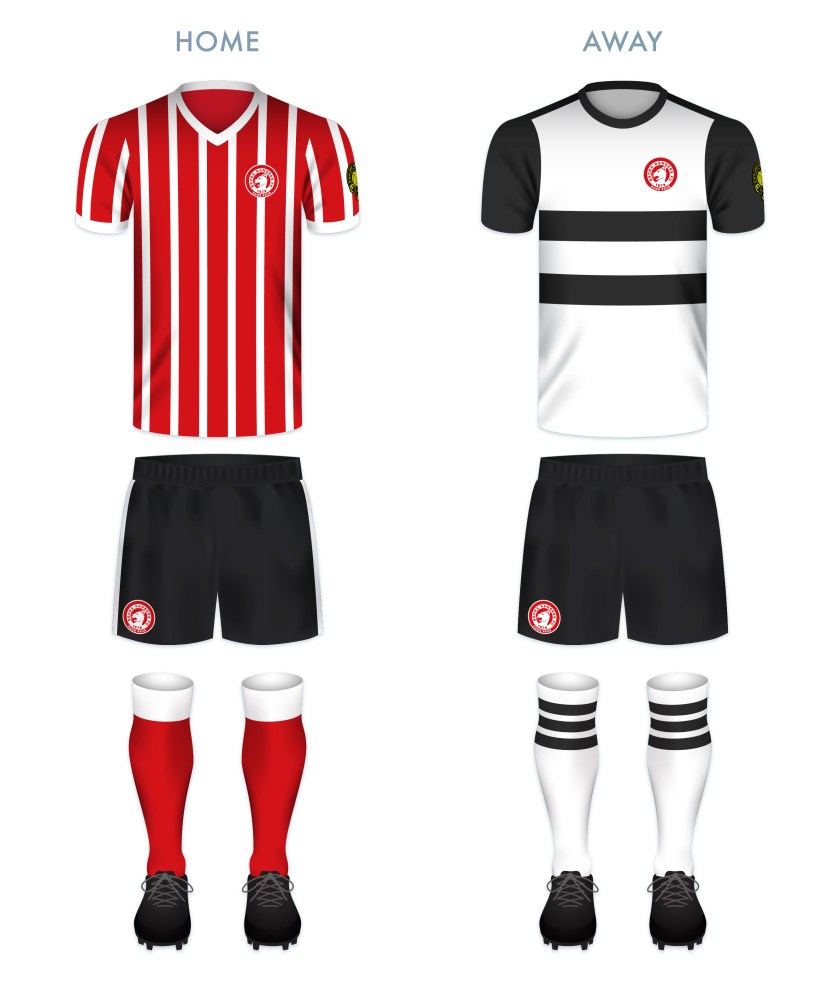
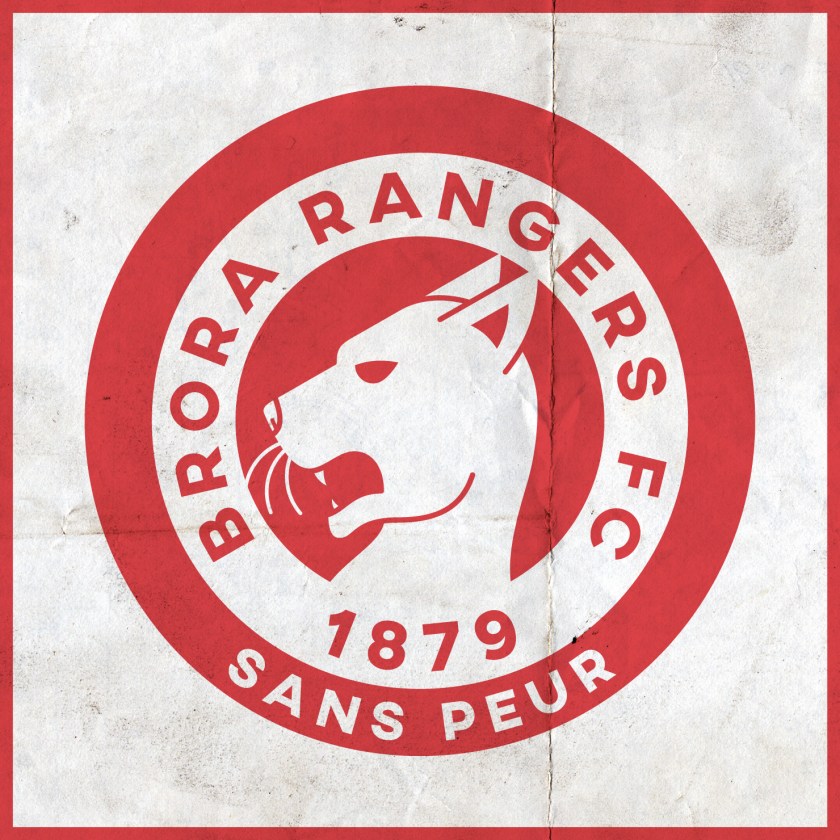
 Brora Rangers Football Club was established in the village of Brora, Sutherland in 1879. In 1933, the club became members of the Scottish Football Association and in 1962, they began to compete in the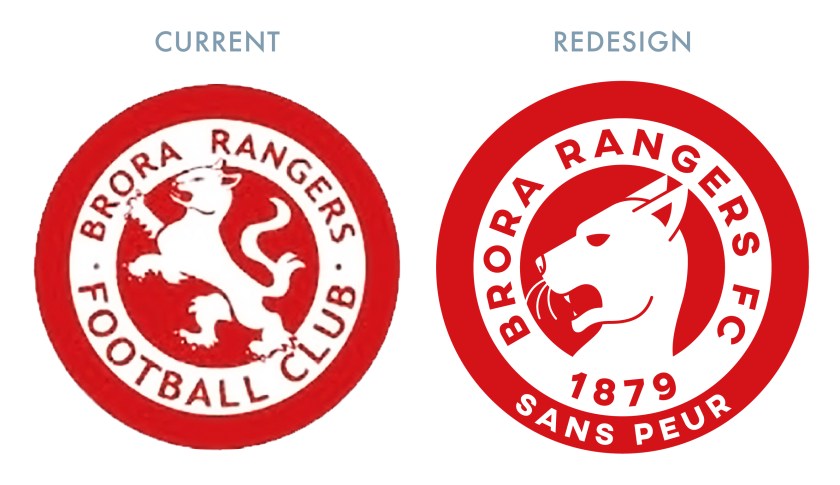
 ellliottt