
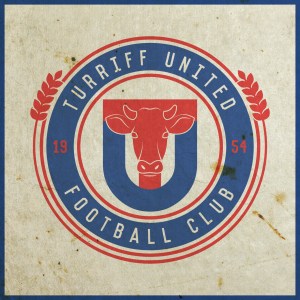
 Turriff United Football Club was established as a junior side in 1954. Along with Formartine United and Strathspey Thistle, Turra were admitted to the Highland Football League in 2009.
Turra’s senior honours consist of three Aberdeenshire Shields (2010/11, 2012/13 and 2014/15) and at the end of the 2014/15 Highland League season, the club finished second top. Turra also made it to the fourth round of the Scottish Cup in 2012/13, losing to league-side Greenock Morton in an away replay at Cappielow Park in December 2012. In 2016, Turra took part in the Scottish Challenge Cup. During their campaign, the club overcame the St Johnstone U20s as well as league-side Montrose, before losing at home to Hibernian in the third round.
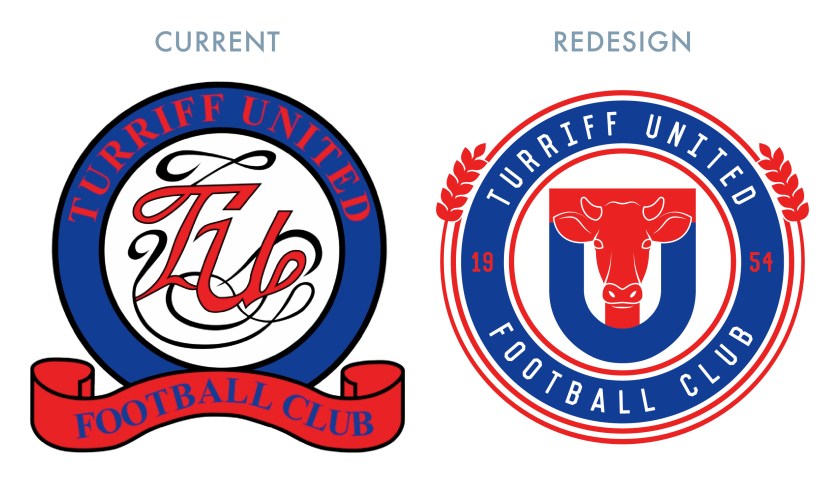
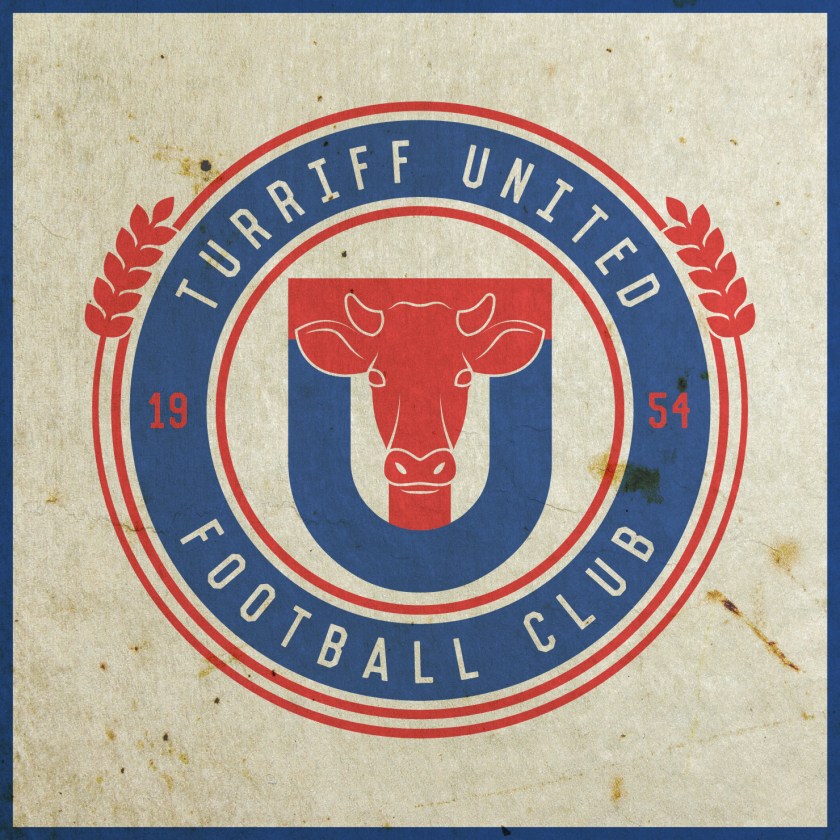
For the badge redesign, I used a minimalistic ‘TU’ monogram, featuring a cow’s head in the ‘T’. This, alongside the wheat which forms the outer circlet, are featured in the town’s coat of arms. The cow’s head also represents the legendary ‘Turra Coo’.
The story of the Turra Coo dates back to the 1910s, when the Liberal government unveiled the National Insurance Act 1911, compelling employers make national insurance contributions. In Turriff, local farmers felt that they were at a disadvantage and protests were held. A farmer called Robert Paterson refused to make these contributions and was fined £15 and arrears. Paterson paid the £15, but continued to refuse to pay the national insurance arrears. Local sheriff George Keith was ordered to seize property amounting to £7 from Paterson’s farm. Keith selected a white Ayrshire-Shorthorn cross dairy cow. This cow was to be auctioned off in order to raise the funds to pay off Paterson’s arrears, but on the intended day of the auction, a large protest erupted with locals decorating the cow with ribbons and painting the words ‘Lendrum to Leeks’ (Lendrum being the location of Paterson’s farm and leeks being a reference to Chancellor David Lloyd George’s Welsh origin) on the cow’s side. Due to the unrest, the sale of the cow did not proceed at that time.
Subsequently, Paterson and seven others were taken to Aberdeen to be put on trial for disorderly conduct, though all were acquitted. The Turra Coo was later sold in Aberdeen, but the community of Turriff rallied together to buy back the coo and return it to Paterson. The return of the cow in 1914 proved to be a major public event in Turriff, with some 3000 people gathering to celebrate. Since that time, the Turra Coo has become a local icon, with a roadside monument dedicated at Lendrum in 1971 and a sculpture in the town centre, unveiled in 2010. In 2014, Turriff United introduced a mascot based on the Turra Coo.

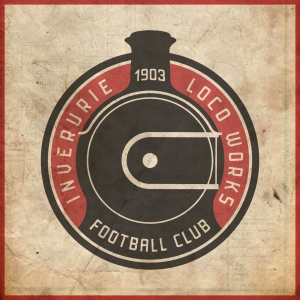 Inverurie Loco Works Football Club was established as a junior side by the workers of said locomotive workshops in 1903. Originally, these workshops were operated by the Great North of Scotland Railway (1854-1922) before becoming part of the London and North Eastern Railway (1923-1947).

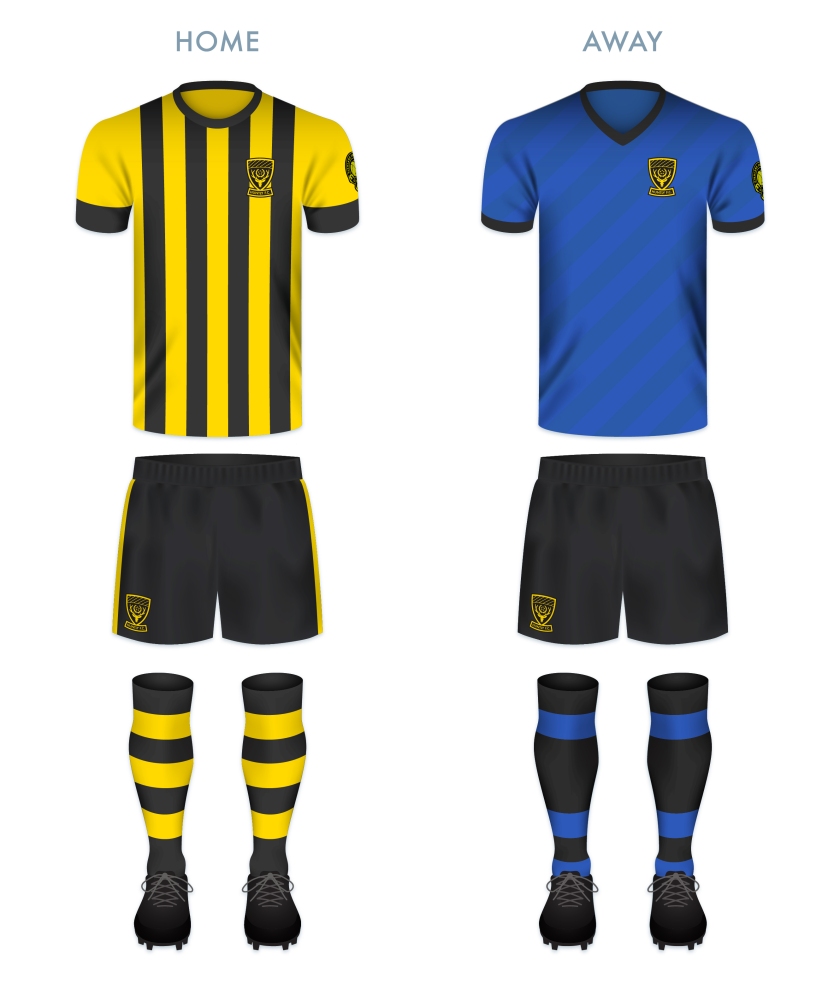
 Huntly Football Club was established in 1928. and was admitted to the
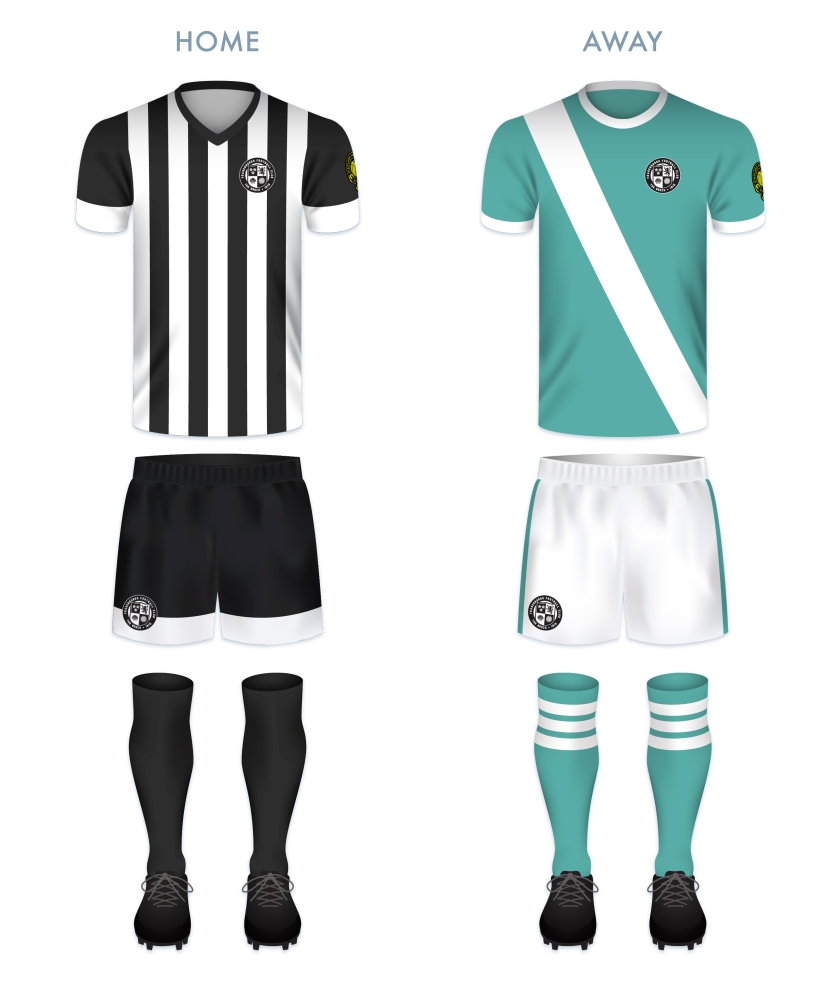
 Fraserburgh Football Club was established in 1910. In 1921, they gained admittance to the
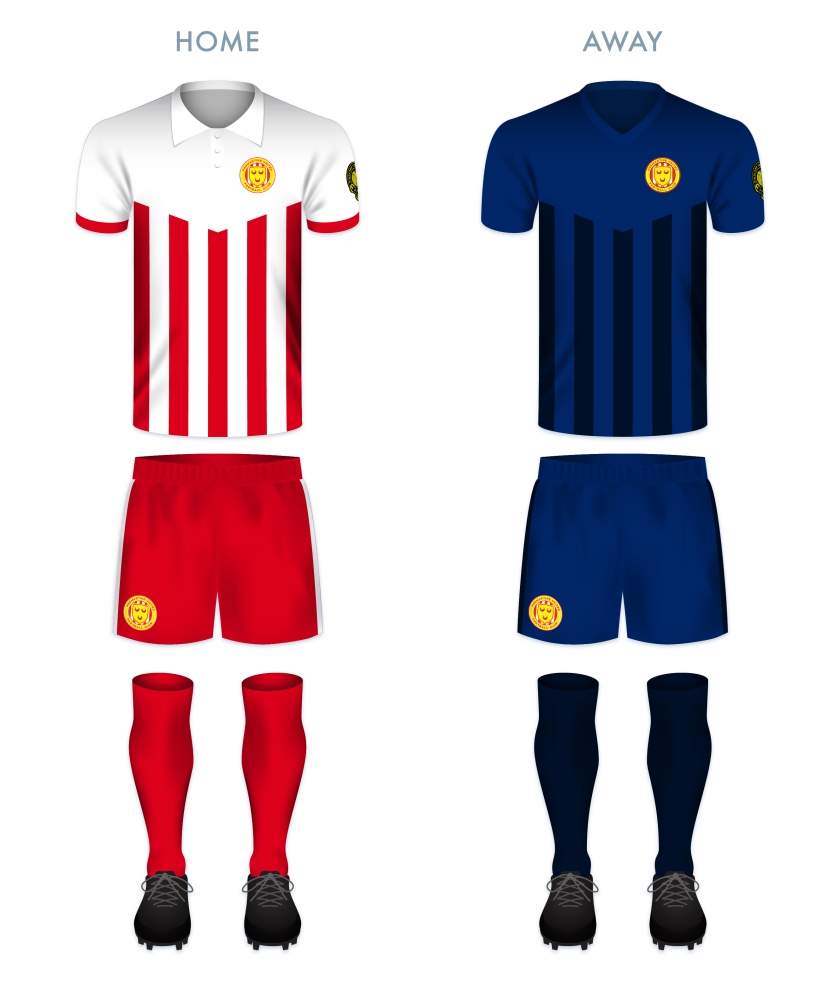
 Formartine United Football Club was established in the village of Pitmedden, Aberdeenshire, in 1948. The exact circumstances of the club’s formation are something of a mystery. It is known that an amateur club, Pitmedden FC, played in the village prior to the founding of United, but the relationship between the two is unclear.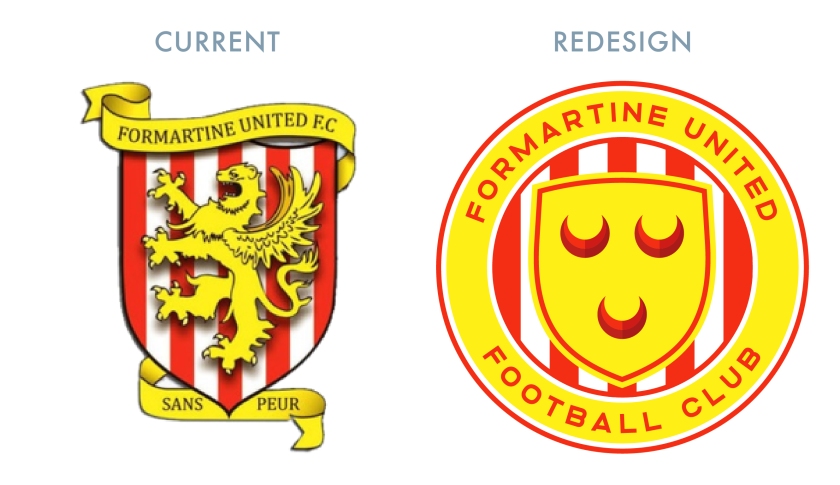
 Deveronvale Football Club was established in 1938 at the union of two pre-existing clubs, Deveron Valley and Banff Rovers. The club name comes from the River Deveron, which separates the twin fishing towns of Banff and Macduff on the northern Aberdeenshire coast.
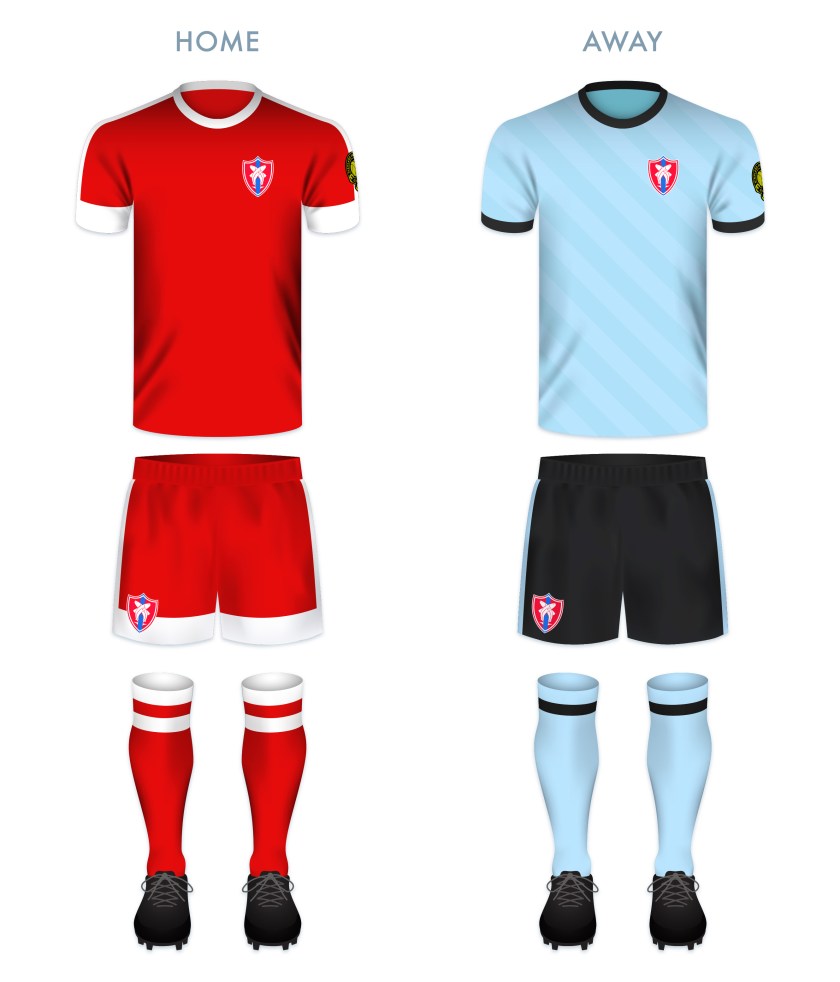

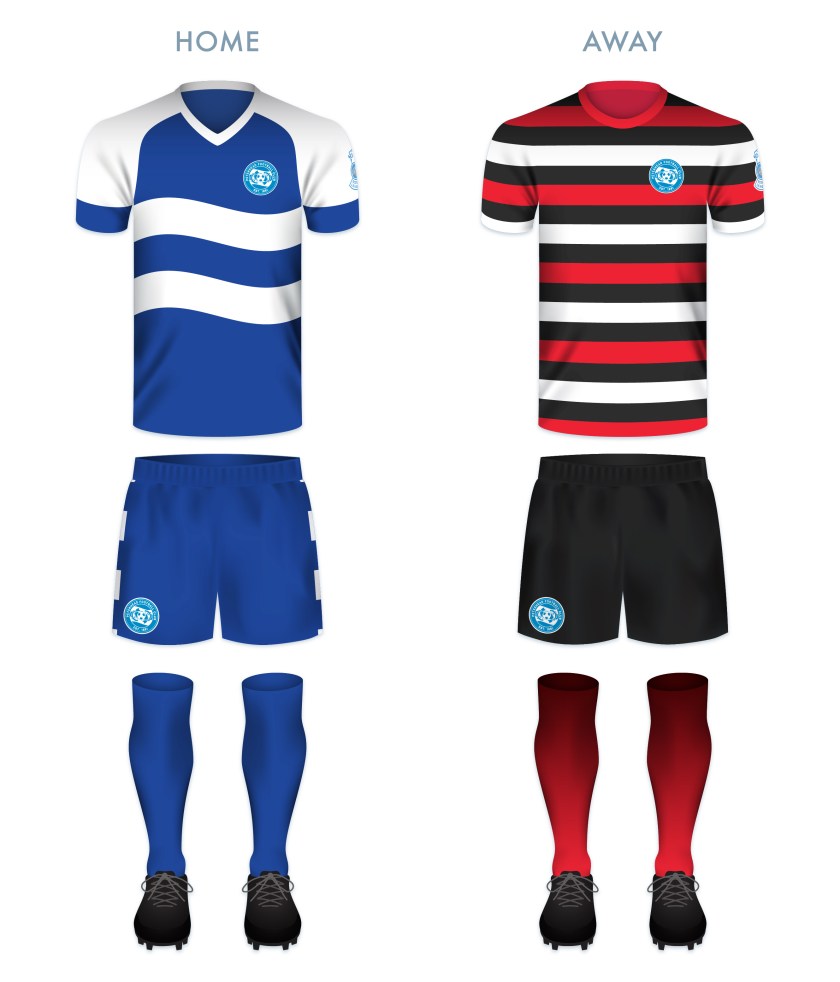
 Peterhead Football Club was established in 1891 by a number of local football enthusiasts. The passion of this young club caught the attention of the town’s Feuars Managers and a plot of land was gifted to the club within Peterhead’s Raemoss Park. Recreation Park, as it this original home ground was called, opened that same year. Although the stage was set for competition, Peterhead would have to wait until their admittance into the small Aberdeenshire Football Association (consisting of only six sides) in 1900 before playing competitive football.

 ellliottt