
 Tranent Juniors Football Club was established in 1911 in the town of Tranent, East Lothian. The Belters, as they are known, competed in the Scottish Junior Football Assocation for the vast majority of their existence. During their pre-Lowland League days, the greatest honour they enjoyed was winning the 1934/35 Scottish Junior Cup with a landslide 6–1 victory over Petershill at Ibrox Park (home of Rangers FC).
For the 2018/19 season, Tranent joined the East of Scotland League. Their time in this league was short, with the club winning the league in the 2021/22 season (finishing with 80 points, the same as Penicuik Athletic, but overwhelming the second-placed side with a +59 to +38 goal difference). This achievment reserved the Belters a spot in the three-match round robin Lowland League play-off. They faced the winners of the South of Scotland and West of Scotland Football Leagues (St Cuthbert Wanderers and Darvel, respectively).
During the mini-tournament, they trounced their opponents, finishing without conceding a goal and accumulating nine goals and two victories in the process. For the 2022/23 season, Tranent replaced Vale of Leithen (who were relegated from the Lowland League after finishing the 2021/22 season with a dismal record of one win, two draws and 31 losses). Upon entering the Lowland League, Tranent Juniors retained their name, despite having reached the heights of senior football, in order to call back to their long junior league heritage.
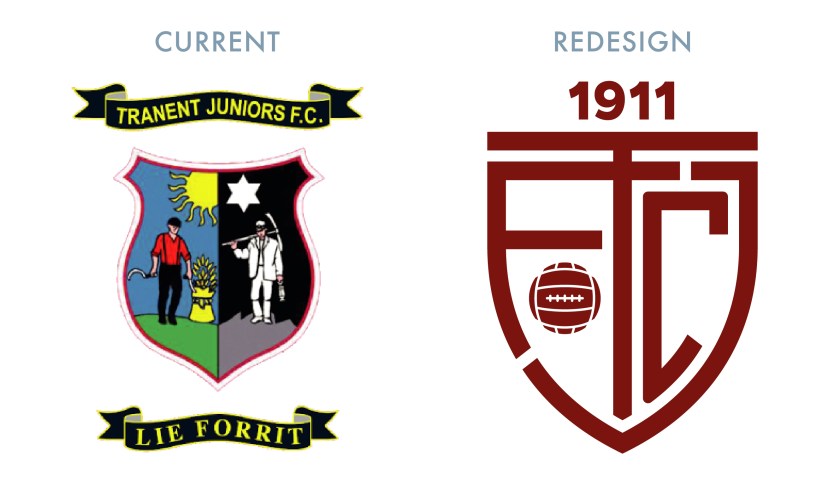
The current Tranent badge consists of a centerpiece of the Tranent coat of arms, topped with a banner containing the club’s name and another banner containing the club’s motto on the bottom. In redesigning this badge, I kept wanting to move away from the busy detail of the current badge. The Tranent coat of arms references the town’s assocaition with agriculture and coal-mining, with the left half portraying a farm worker harvesting by day and the right half portraying a coal-miner working by night. A crossed hammer and sickle would have served as an excellent minimalistic image, but its other associations would detract from the meaning of the badge. And while I appreciate the Scots ‘LIE FORRIT’ (‘lie forward’) motto, I decided to do away with all but the club’s initials (TJFC) and year of founding in the redesigned badge.
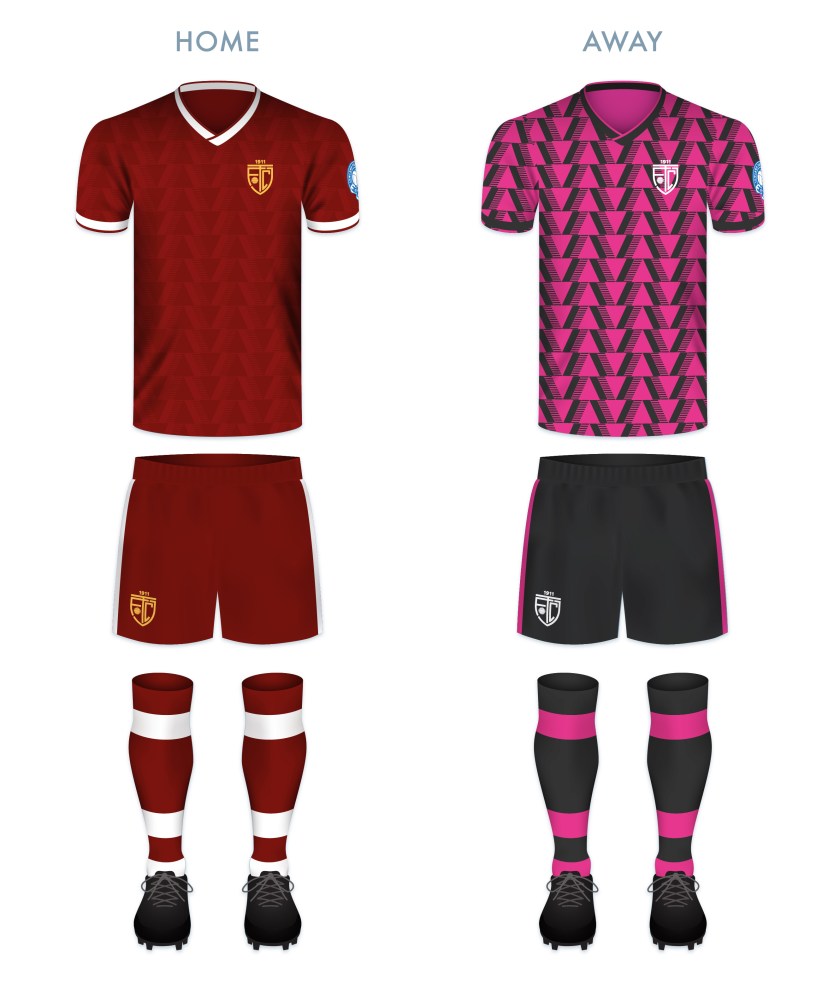
The kit redesigns are based on Tranent’s historical colour scheme (maroon and white) and current away colour scheme:

 Football in the Central Lowland town of Bo’ness (officially, Borrowstounness, though no one calls it that) dates back to at least 1882, when Bo’ness Football Club was established. This original club competed in various amateur leagues until 1909, when they joined the old Central League (not to be confused with the current Central Scottish Amateur Football League, established in 1927).


 Edusport Academy was established as a residential football academy in 2011 with the aim of developing young French players and giving them the opportunity to improve their English language skills. The purpose behind refining these skills was to give the young footballers an edge in entering into the professional game in Britain.

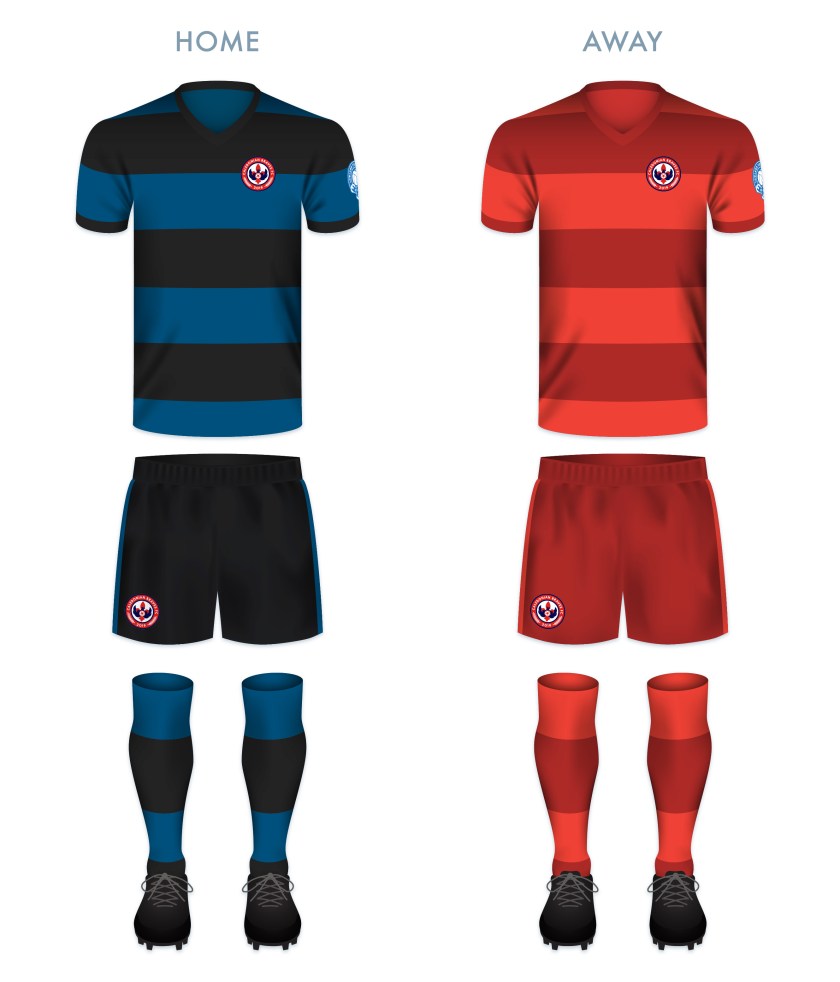

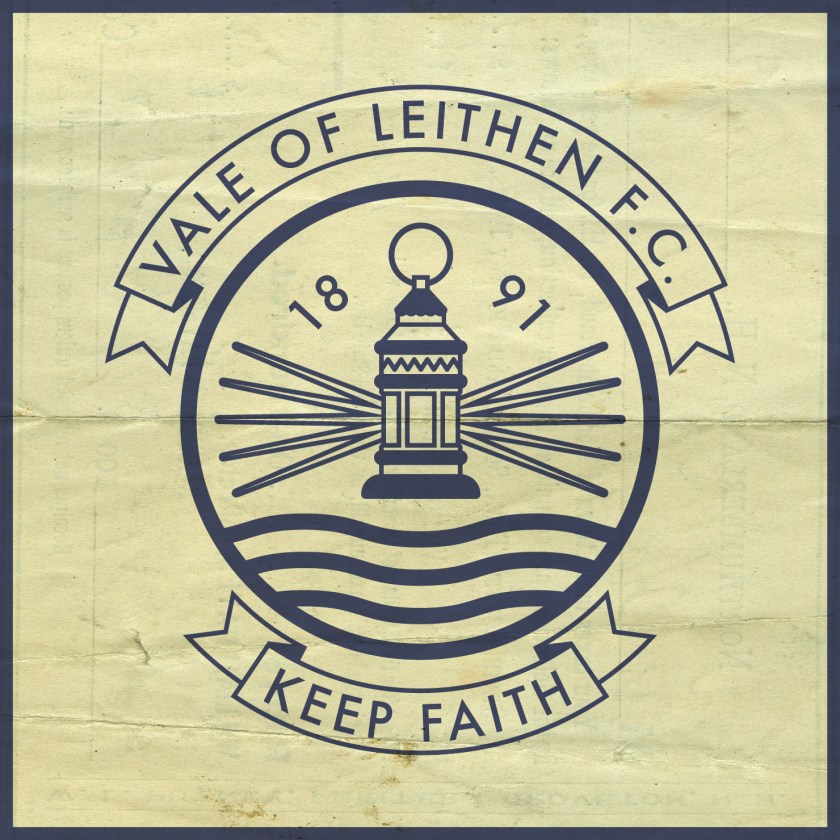
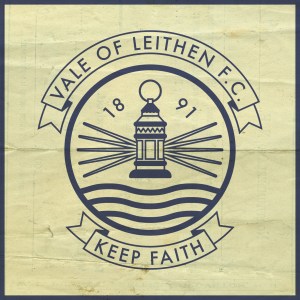 Vale of Leithen Football Club began its life as Leithen Vale Football Club in 1891, making it one of the oldest clubs in the Scottish Borders (a region traditionally dominated by rugby). The ‘Leithen Vale’ name was used only for the club’s first two matches (a victory against Gala Harp and a loss to Peebles Hibernian) before the change to Vale of Leithen. It has been suggested that the name change was made in order to bring to mind the successful Dunbartonshire club Vale of Leven FC (the original Vale of Leven was established in 1872 and folded in 1929, winning the Scottish Cup on three consecutive occasions between 1877 and 1879).

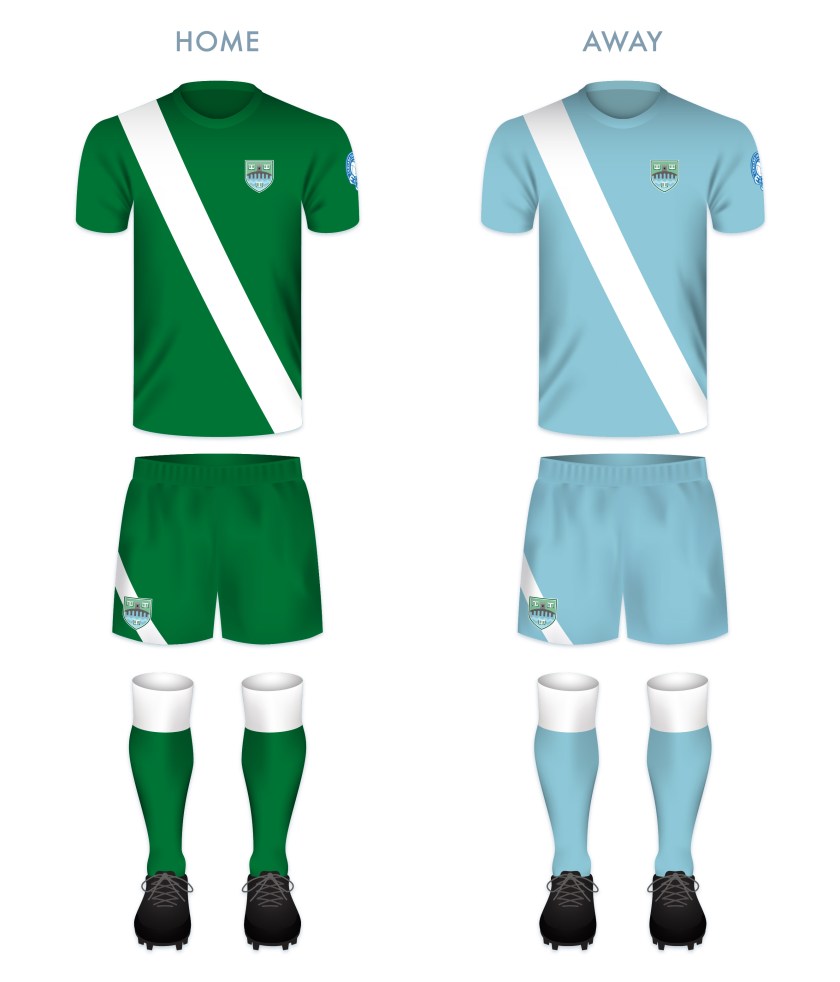
 The University of Stirling was established in 1967. Two years later, the eponymous football club was founded. Among the six teams operated by USFC, the most senior of which has been competing in the
 In 1951, the Spartans Football Club was established by Elliot Wardlaw and Jimmy Beaumont, two former

 The original Gretna Football Club was established in 1946, competing in the Dumfries and District Junior League. Due to the town’s proximity to England, in 1947, the club began to compete in the Carlisle and District League. Gretna continued to play in English leagues until gaining admittance into the Scottish Football League in 2002 (replacing the original

 Gala Fairydean Rovers Football Club was established in the Borders town of Galashiels in 1894. Thirteen years later, in 1907, the club split into Gala Fairydean and Gala Rovers, with the Rovers acting as the reserve side for Fairydean. With the outbreak of the First World War, both sides ceased. In 1919, Fairydean alone resumed competition, becoming a founding member of the East of Scotland Football League four years later. It would not be until 1947 that the Gala Rovers name resurfaced, this time, as an amateur side.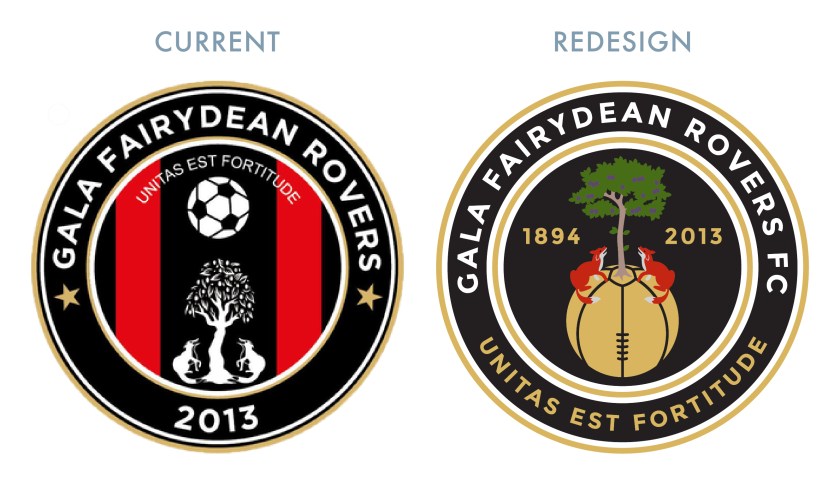


 Edusport Academy was established as a residential football academy in 2011 with the aim of developing young French players and giving them the opportunity to improve their English language skills. The purpose behind refining these skills was to give the young footballers an edge in entering into the professional game in Britain.
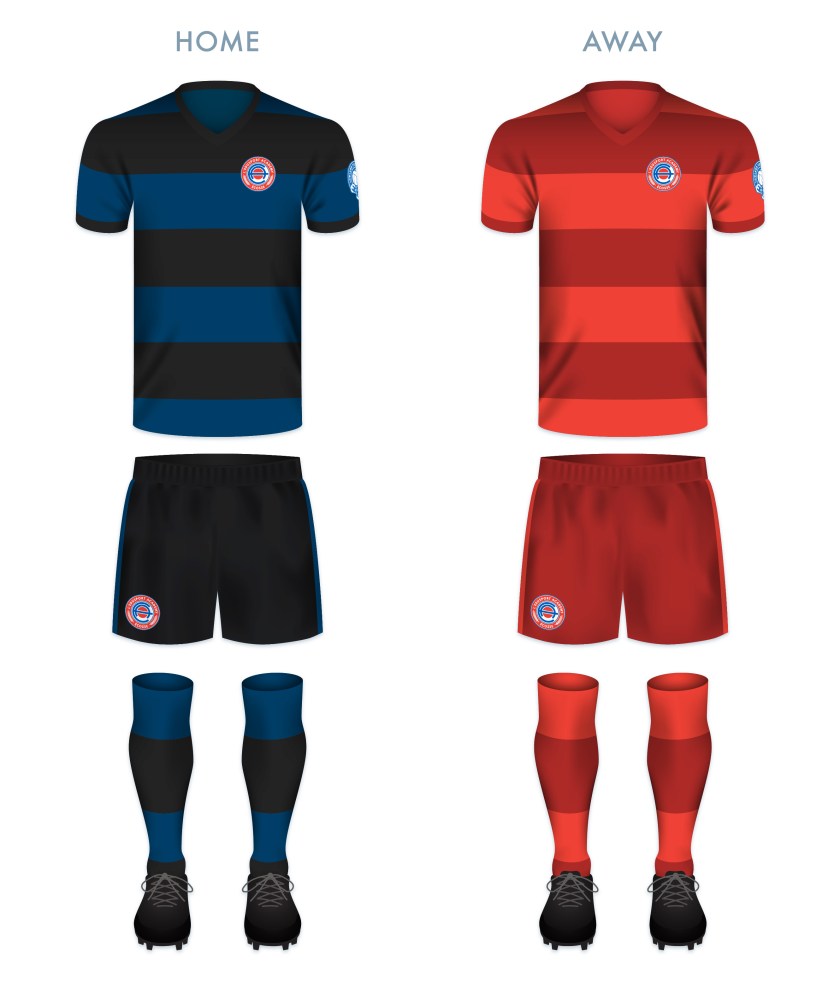

 Edinburgh University Association Football Club was constituted formally in 1878 and has been a member of the Scottish Football Association since the same year.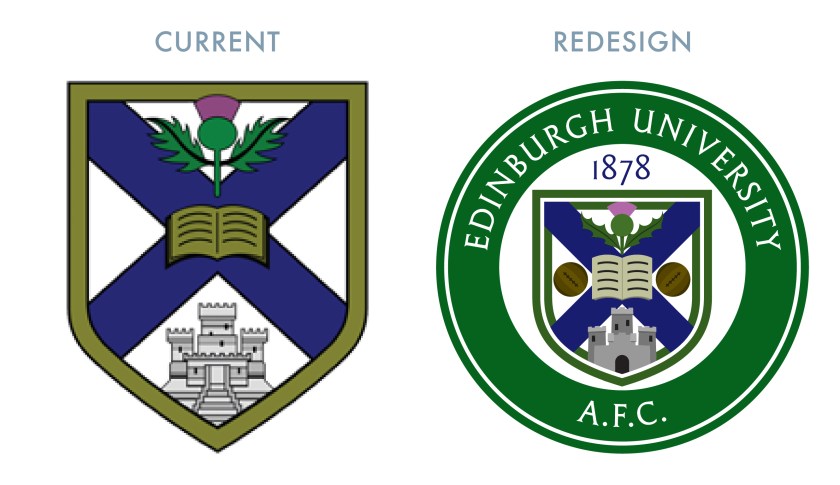


 ellliottt