
 The 2017/18 season was unpleasant for Brechin City Football Club. They finished at the bottom of the Scottish Championship table, having failed to win a single match and having amassed only four points from four draws. The following season, in League One, Brechin City was able to amass 36 points (9 wins, 9 draws, 18 losses), but this was not enough to save the club from their second consecutive relegation.
Brechin’s woes continued in the 2019/20 season, when they finished at the bottom of the League Two table. This and the following season were cut short due to the COVID-19 pandemic, and despite having finished at the bottom of the table in their first season in League Two, promotions into and relegations from the league were suspended. Unfortunately, the 2020/21 season spelled the end of Brechin City’s run in the SPFL, finishing at the bottom of the table again and losing a two-leg play-off 3-1 to Lowland League champions Kelty Hearts. As a result, Brechin City were relegated from the professional league for the first time in 67 years and will compete in the Highland League for the 2021/22 season.
Not wanting to add insult to injury, here is a badge redesign with which I can say that I am pleased.
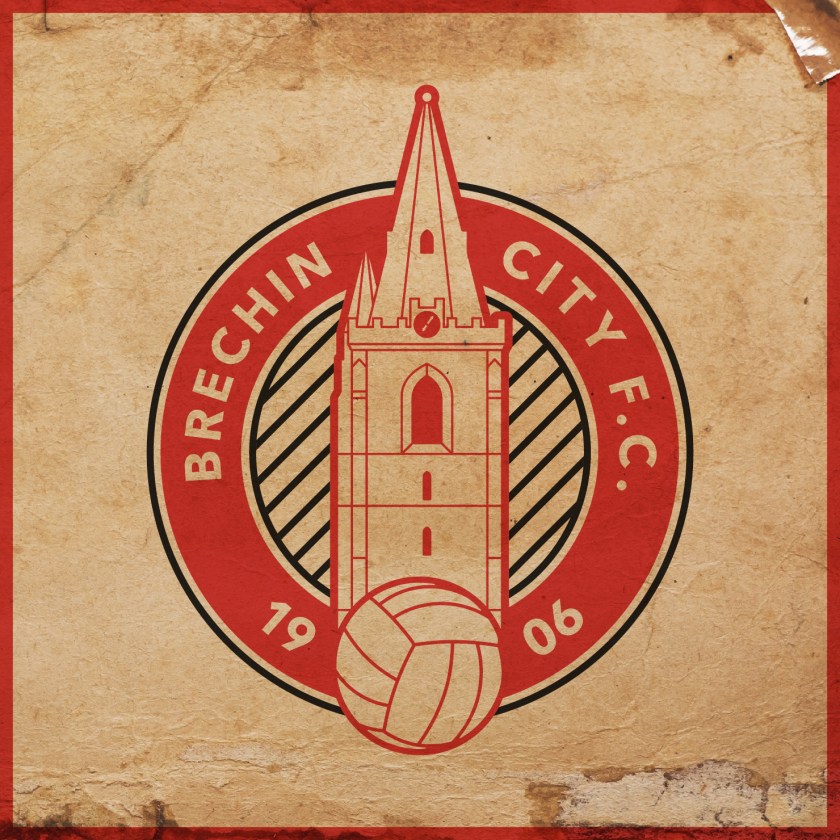
Brechin City FC was established in 1906 by players from two Brechin-based junior sides (Brechin Harp and Brechin Hearts). The club name, ‘Brechin City’, derives from an historic designation of Brechin as a ‘city’, the result of the presence of its medieval cathedral (which dates from the 13th century). A simple illustration of the cathedral itself (now only a ‘cathedral’ in name as it is home to a Church of Scotland congregation, thus having no bishop) was first featured in the 1985 badge, which was updated to the current badge in 1995. For the 2006/07 season, the Brechin City badge featured different colours and a special centenary banner.
For my redesign, I had originally explored using some of the heraldic symbols of Brechin. While mulling over options, I rendered a simple, but more detailed and accurate illustration of the main tower of Brechin Cathedral than the one used in the current badge. This image took my fancy and I built a simple badge around it, which is seen on the right below. A subtle detail in the redesign is found in the clock, which shows six minutes past seven, or 19:06, symbolising the founding of the club.

For the home shirt, I went with Brechin City’s red (in constant use since 1955) and a black sash with a white border (mirrored in the collar). For the away shirt, I employed a white and light blue harlequin design, which was used in the 1909/10 season.

As ever, I am indebted to Dave at Historical Football Kits for some of the historical information used above.
 Dingwall-based Ross County Football Club were formed in 1929. Although the club was not admitted into the Scottish Football League until 1994, County has a long history of faring well against league sides in early rounds of the Scottish Cup while members of the Highland Football League. Since entering the SFL (and later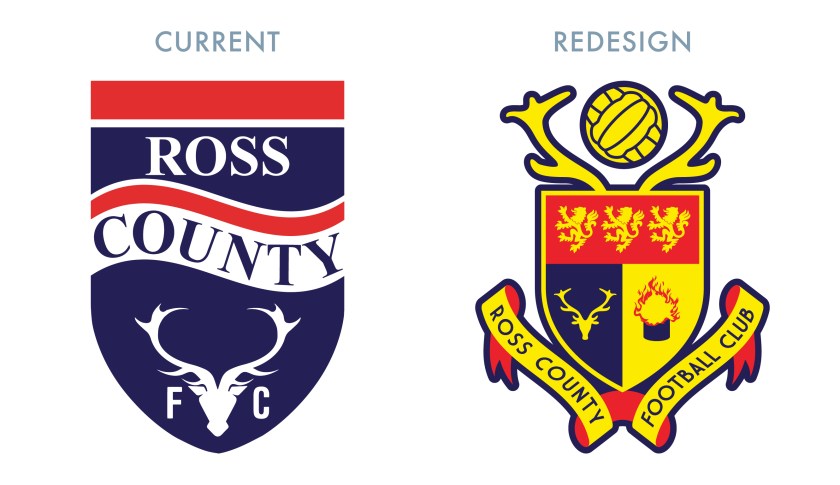


 Like
Like 


 In February 1872, brothers and avid rowers Moses and Peter McNeil met with fellow rowers Peter Campbell and William McBeath at Flesher’s Haugh (now part of Glasgow Green), on the northern bank of the River Clyde. It was not rowing that monopolised their attention that morning, but the spectacle of a group of men playing football on the green. Their imaginations were captured and they decided that they would turn their energies to organising their own football team.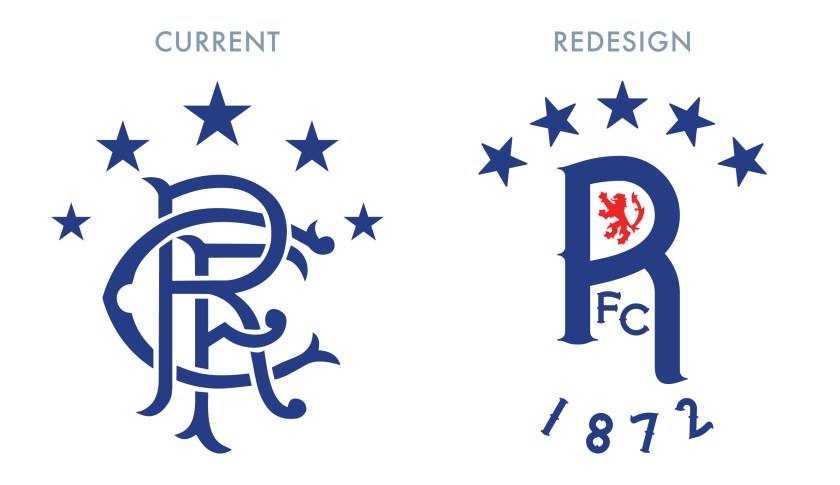

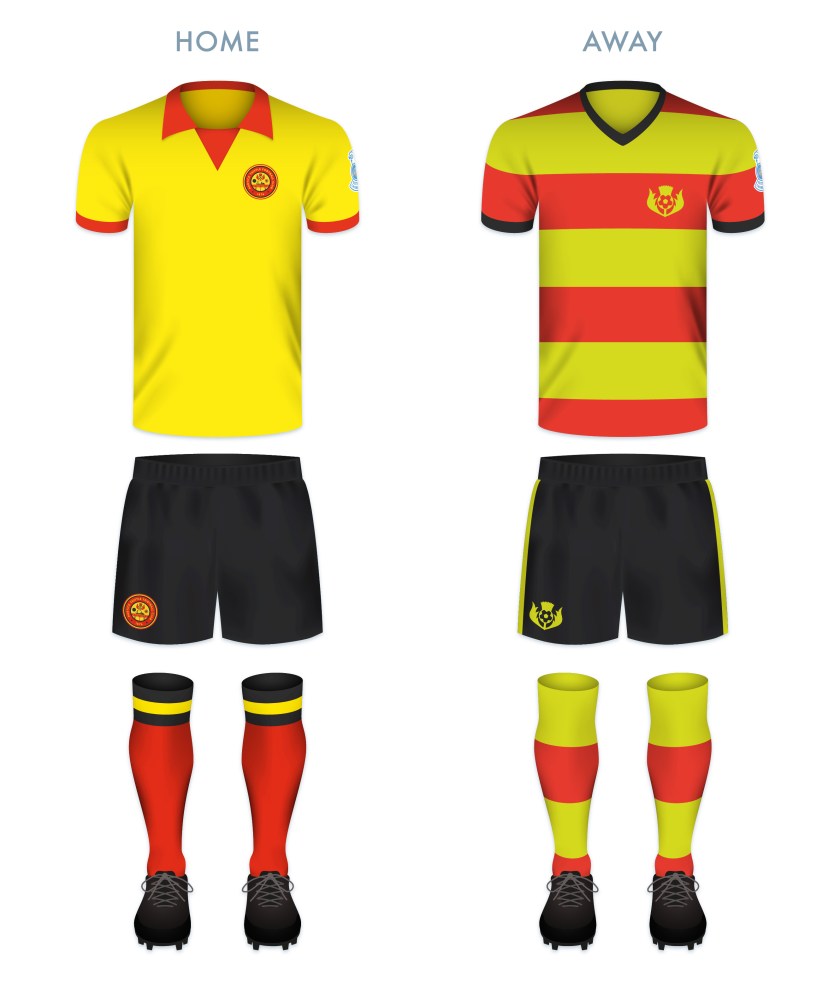
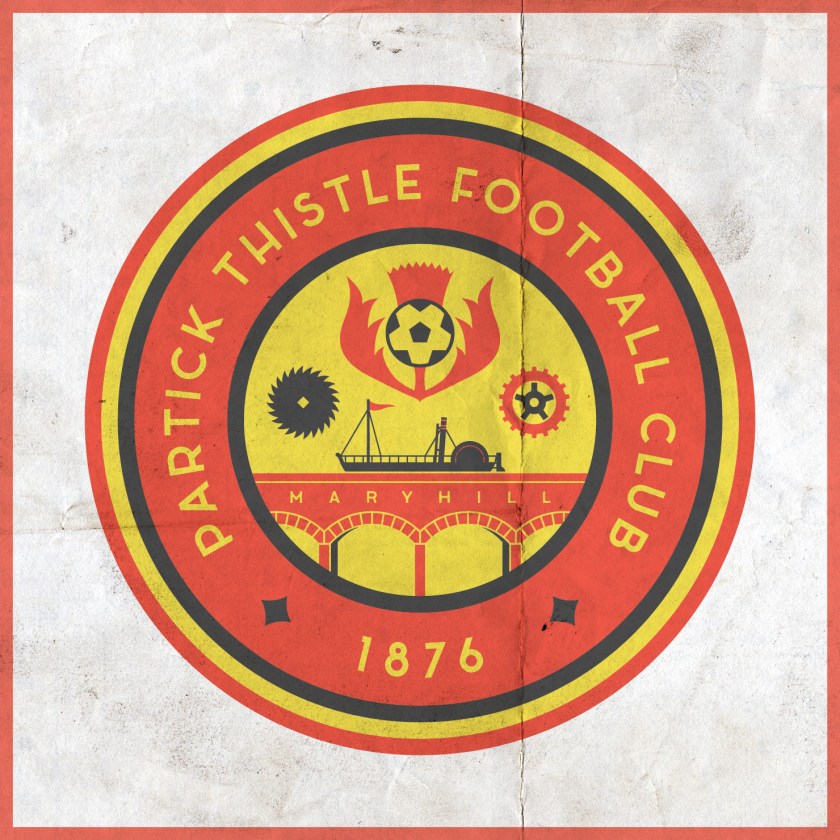
 Partick Thistle Football Club was established in 1876, playing in the then-independent burgh of Partick (which was incorporated into Glasgow in 1912). For the first 33 years of their history, the Jags occupied various home grounds in and around what is now the West End of Glasgow.
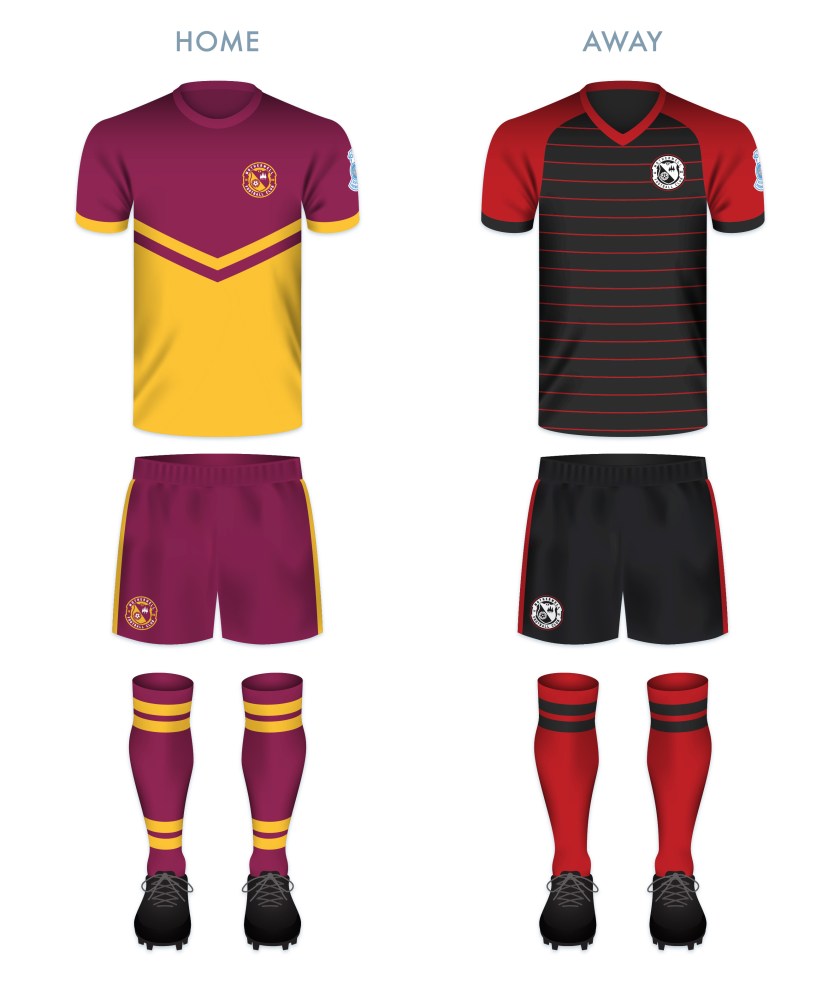
 Motherwell Football Club was established in 1886 at the merging of two Motherwell-based teams: Glencairn FC (established in 1877 and named after the soldier and politician John Glencairn Carter Hamilton, 1st Baron Hamilton of Dalzell) and Alpha FC (established as the Alpha Steam Crane and Engine Works team in 1881).

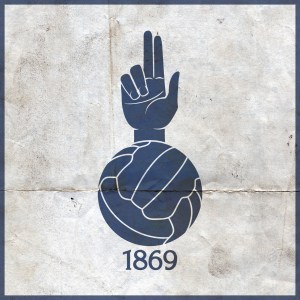 Kilmarnock Football Club was formed in 1869, making it one of the oldest football clubs in the world. Before this time, Kilmarnock was an established cricket club, playing according to rugby football code in the cricket off-season. This rugby football code history is reflected in the naming of the club’s ground, Rugby Park.
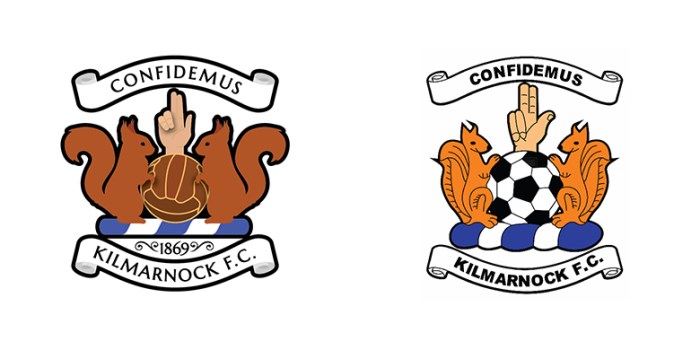 I was never quite satisfied with the redesign above. I have long appreciated the content of the current Kilmarnock badge, but have found the execution to be lacking. Ultimately, with my redesign here, I decided to go for something far more minimalistic, calling back to the original badge used from 1873 to 1887.


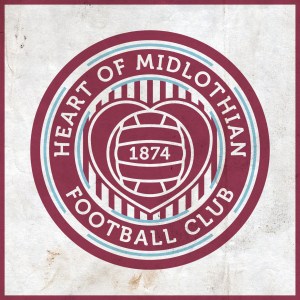 The precise origin of the Heart of Midlothian Football Club is unclear. A report in The Scotsman from 1864 first mentions ‘Heart of Midlothian’ as a cricket club, though it is not known for certain whether—alongside the likes of


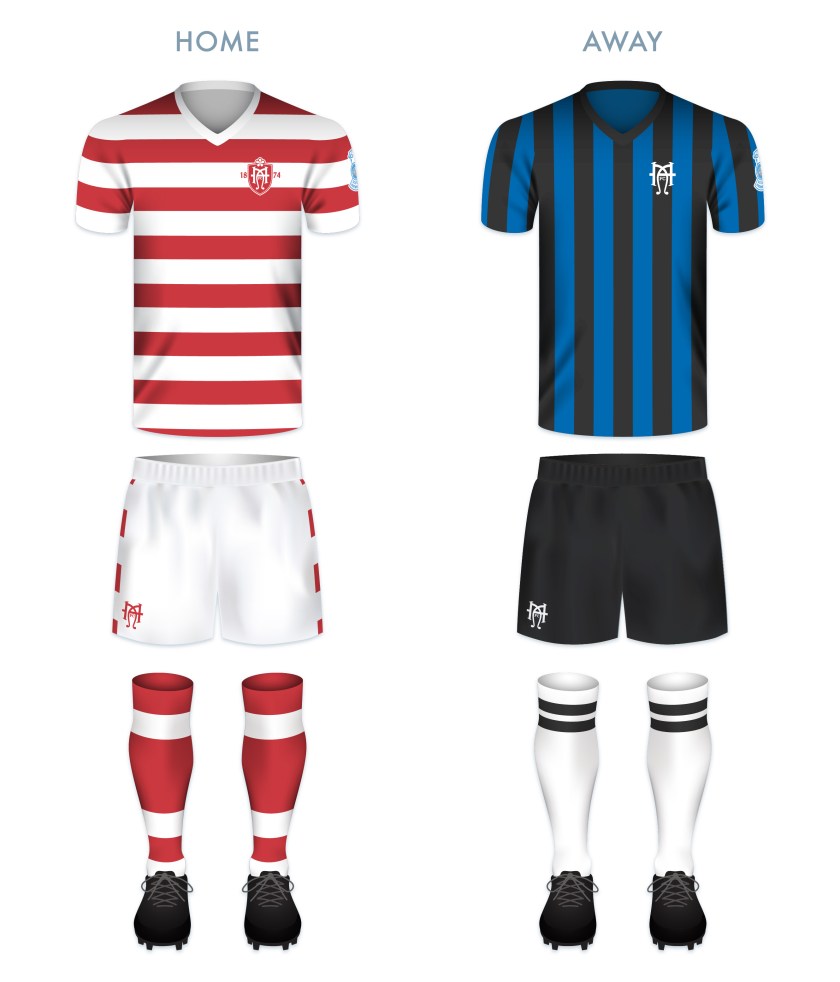
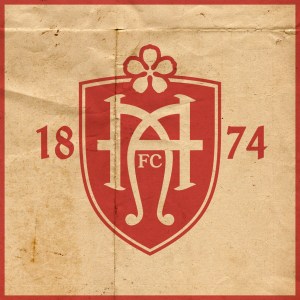 Hamilton Academical Football Club was established in 1874 by, as the name suggests, pupils and the rector of Hamilton Academy (1588-1972).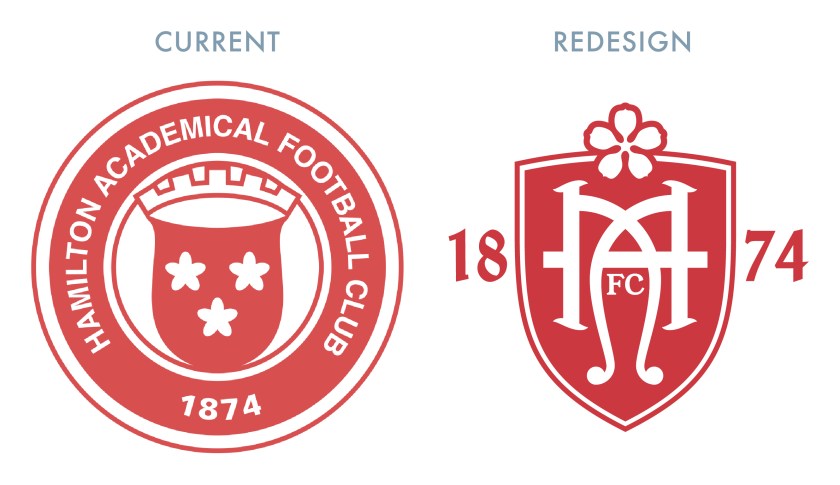

 Established in 1893 by way of a merger between two Dundee football clubs—East End and Our Boys (both formed in 1877)—throughout the club’s history, Dundee Football Club have experienced their fair share of glory. The club won the Scottish Cup in 1909/10, as well as the Scottish League Cup in 1951/52, 1952/53 and 1973/74. The Dee were also crowned 1961/62 Scottish champions and the following season, they reached the semi-final of the European Cup.


 ellliottt