
Banks O’ Dee Football Club was established in 1902. The club was originally called the Rechabites, the origins of which are quite peculiar. In the late nineteenth and early twentieth century, the temperance movement was at its height in the United Kingdom. The Independent Order of Rechabites is a fraternal organisation that was established in England in 1835. It was established based on a commitment to total abstinence from alcoholic beverages. (The name was related to the biblical people called the Rechabites, who were committed to abstaining from wine and living a nomadic life.) It was in this vein of thinking that the club set up shop beside the River Dee in Aberdeen. As the story goes, a club committee member discovered that some of the players were enjoying a bevvy in a local hostelry and the Rechabites name was abandoned in 1920 in favour of the current Banks O’ Dee.
For most of its existence, the Dee has competed in regional junior leagues. They have amassed a large number of junior league honours, including winning the Aberdeen District Junior League seven times, the subsequent North East Premier Division eleven times, and the current SJFA North Superleague five times. These figures set Banks O’ Dee apart from other regional junior clubs, though success on a broader stage has evaded the club. Perhaps Banks O’ Dee’s greatest success came in their first-ever participation in the 2008/09 Scottish Cup tournament. Their first-round 10–0 victory against then-Highland League outfit Fort William is of particular note. The following season, the Dee applied to join the Highland League, but were unsuccessful. Despite this, the club became full members of the Scottish Football Association in 2014.
After the ascendence of Cove Rangers from the Highland League to the SPFL in 2019, Banks O’ Dee was invited to submit an application to take Cove’s place in the Highland League. The Dee declined the offer, remaining in the SJFA North Superleague. Their continued participation in the North Superleague wouldn’t last long as the Dee won the league by an overwhelming margin (with 24 wins, two draws and no losses and amassing a +117 goal difference) in the 2021/22 season. This set them up for a two-leg play-off against Fort William for a place in the Highland League. Due to player eligibility rules, Fort William were forced to withdraw, cementing Banks O’ Dee’s admittance into the Highland League, where they compete presently.
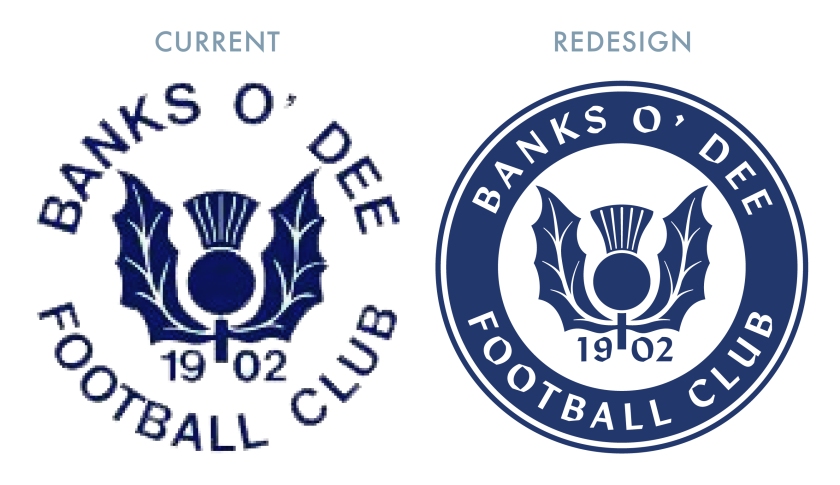
I find the current Banks O’ Dee badge endearing in its home-grown minimalism. My redesign is a ‘light’ reboot of the current badge, having clearned up the thistle design and incorporated a more bounded roundel.
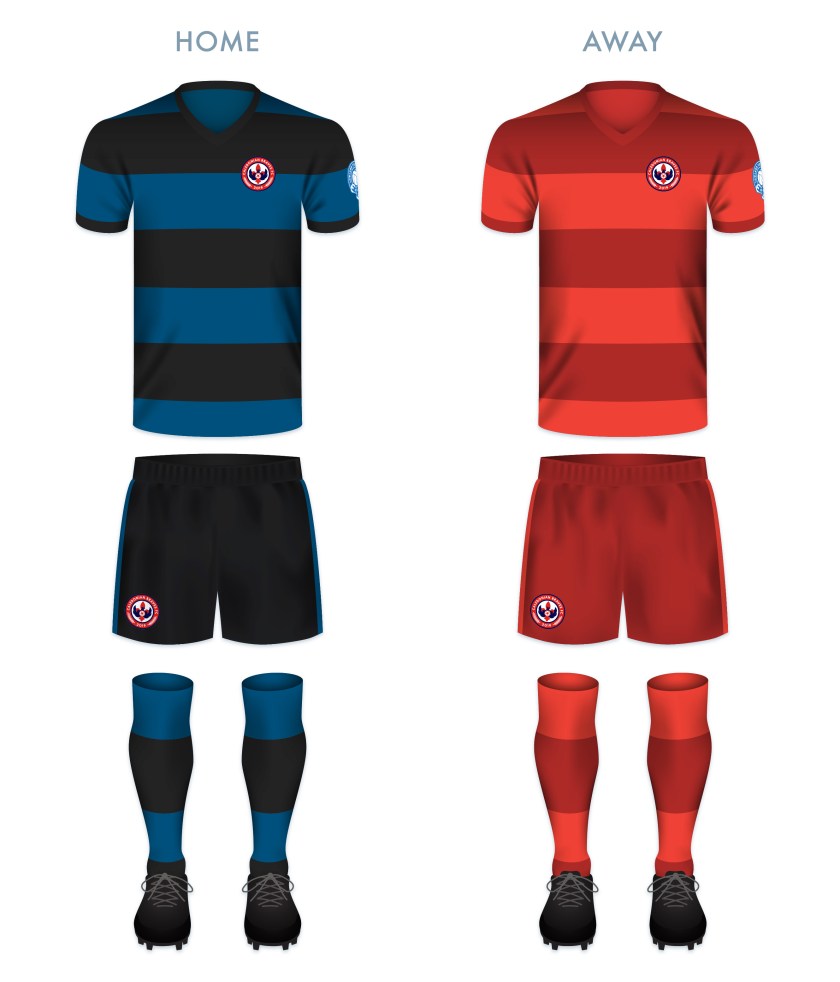
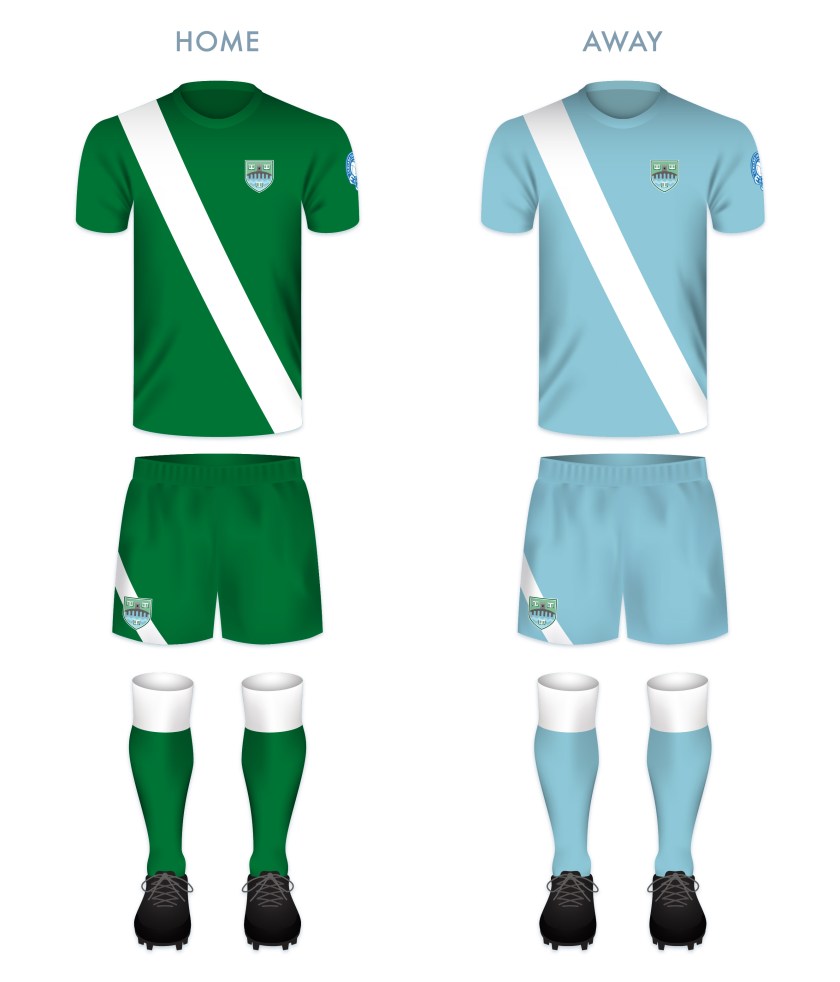
The kit redesigns are based on the current colours used by the club.

 Edusport Academy was established as a residential football academy in 2011 with the aim of developing young French players and giving them the opportunity to improve their English language skills. The purpose behind refining these skills was to give the young footballers an edge in entering into the professional game in Britain.


 Vale of Leithen Football Club began its life as Leithen Vale Football Club in 1891, making it one of the oldest clubs in the Scottish Borders (a region traditionally dominated by rugby). The ‘Leithen Vale’ name was used only for the club’s first two matches (a victory against Gala Harp and a loss to Peebles Hibernian) before the change to Vale of Leithen. It has been suggested that the name change was made in order to bring to mind the successful Dunbartonshire club Vale of Leven FC (the original Vale of Leven was established in 1872 and folded in 1929, winning the Scottish Cup on three consecutive occasions between 1877 and 1879).

 The University of Stirling was established in 1967. Two years later, the eponymous football club was founded. Among the six teams operated by USFC, the most senior of which has been competing in the
 The Midlothian town of Bonnyrigg was first home to a club called Bonnyrigg Swifts, who were established in 1874. The Swifts gained the nickname ‘the Rose’ and in 1881, a new club, Bonnyrigg Rose Athletic Football Club, was born of the Swifts. For the vast majority of their history, the Rose competed as a junior side, having won the Scottish Junior Cup on two occasions: 1966 and 1978.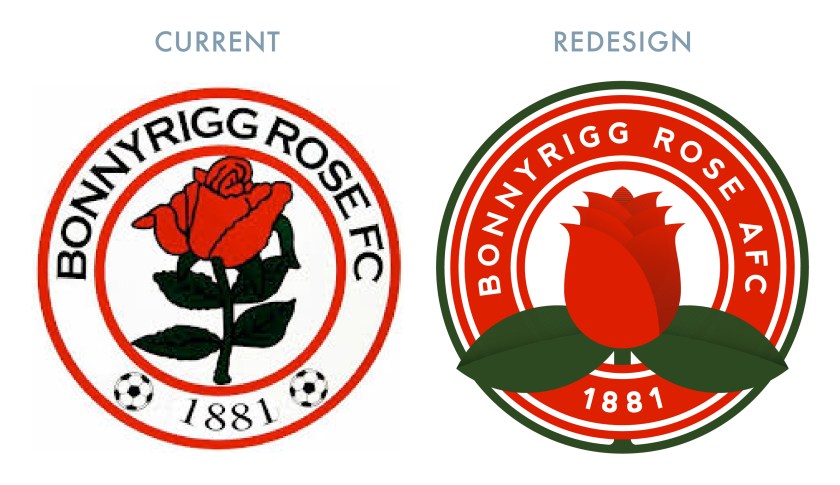

 In 1951, the Spartans Football Club was established by Elliot Wardlaw and Jimmy Beaumont, two former

 Kelty Hearts Football Club was established as an amateur side in 1975. After the 1978/79 season, five of the club’s players were signed by Halbeath Juniors, prompting the amateurs to become a junior side in order to remain competitive. In June 1980, the club was accepted into the Scottish Junior Football Association, where they competed for the better part of the next three decades.


 The original Gretna Football Club was established in 1946, competing in the Dumfries and District Junior League. Due to the town’s proximity to England, in 1947, the club began to compete in the Carlisle and District League. Gretna continued to play in English leagues until gaining admittance into the Scottish Football League in 2002 (replacing the original

 Gala Fairydean Rovers Football Club was established in the Borders town of Galashiels in 1894. Thirteen years later, in 1907, the club split into Gala Fairydean and Gala Rovers, with the Rovers acting as the reserve side for Fairydean. With the outbreak of the First World War, both sides ceased. In 1919, Fairydean alone resumed competition, becoming a founding member of the East of Scotland Football League four years later. It would not be until 1947 that the Gala Rovers name resurfaced, this time, as an amateur side.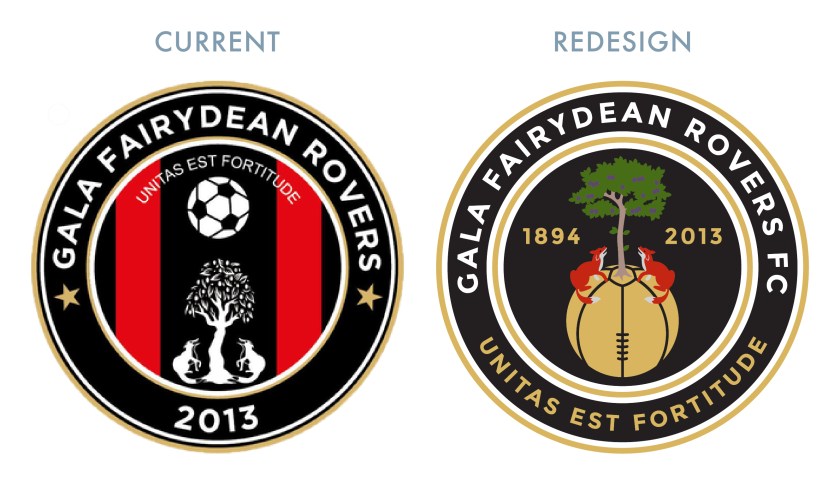


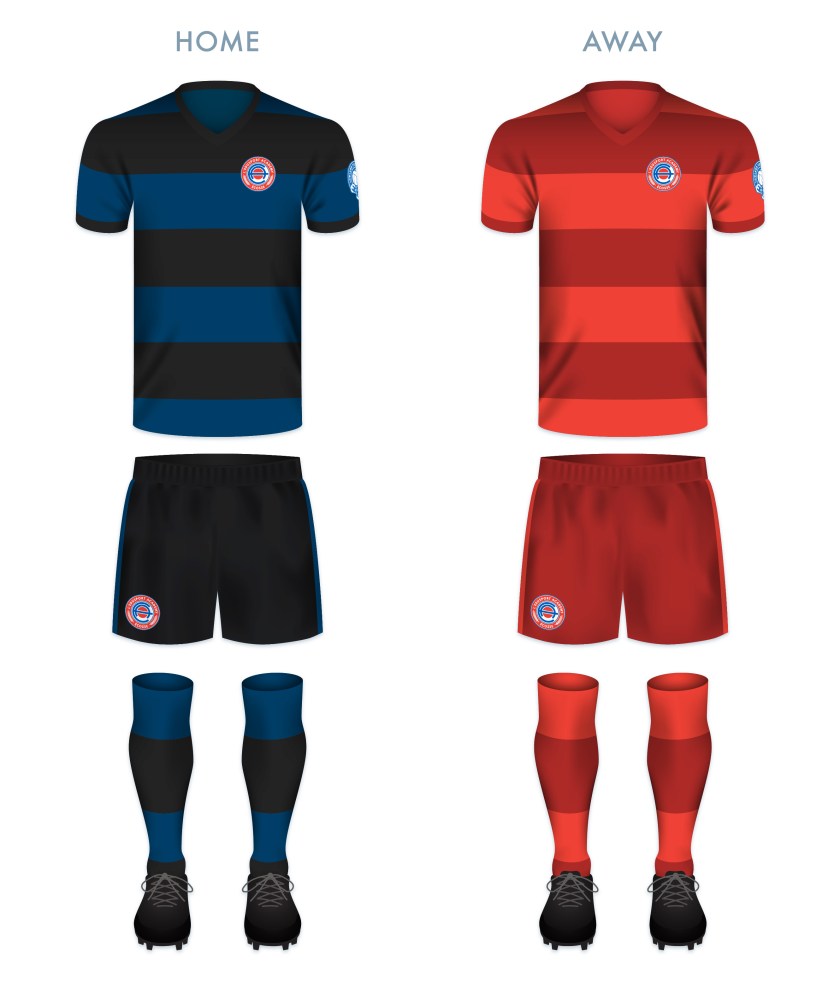
 Edusport Academy was established as a residential football academy in 2011 with the aim of developing young French players and giving them the opportunity to improve their English language skills. The purpose behind refining these skills was to give the young footballers an edge in entering into the professional game in Britain.

 ellliottt