
 The original Gretna Football Club was established in 1946, competing in the Dumfries and District Junior League. Due to the town’s proximity to England, in 1947, the club began to compete in the Carlisle and District League. Gretna continued to play in English leagues until gaining admittance into the Scottish Football League in 2002 (replacing the original Airdrieonians, who had ceased operations).
Between 2005 and 2007, Gretna achieved phenomenal success in Scottish football. Over these three consecutive seasons, the club gained promotion from the bottom to the top tier.
In the 2005/06 season, Gretna’s 3-0 victory over Dundee in the semi-final sealed their place in history as the first team from the third tier to have reached the final of the Scottish Cup. Gretna would draw 1-1 with Hearts in the final, only to lose on penalties.
As a result of their admirable Scottish Cup performance, and by virtue of Hearts having already qualified for the Champions League for having finished second in the Scottish Premier League, Gretna became the first club from the Scottish third tier to have qualified for the UEFA Cup (the predecessor of the Europa League competition).
Eventually, Gretna became the victims of their own rapid ascension. Due to the unsuitability of the club’s home ground for top tier matches, Gretna was forced to play their home games at Motherwell‘s Fir Park, some 76 miles from Gretna itself. Additionally, the financial strain of the club’s rise began to show. This only exacerbated Gretna’s lacklustre debut season in the Scottish Premier League. By March 2008, the club had gone into administration and was deducted ten points under SPL regulations. Gretna was relegated on 29 March after a loss to St Mirren and ended the season with only 13 points.
The original Gretna Football Club resigned from the Scottish Football League on 3 June 2008 and was liquidated formally on 8 August. But before this liquidation had been made final, the Gretna Supporters’ Society formed ‘a new Gretna Football Club’, Gretna FC 2008, and were accepted into the East of Scotland Football League. By 2013, the new Gretna club was elected as a founding member of the Lowland Football League.
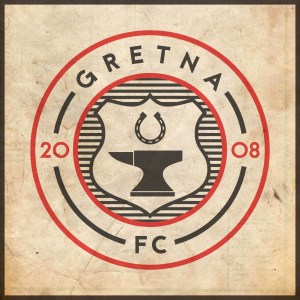
The current Gretna 2008 badge is derived from the original Gretna badge. Though the colour scheme and the shape of the shield itself has been altered, the essential elements remain – a representation of Sark Bridge above a horseshoe above an anvil that is flanked by thistles. As with the old Gretna badge, this badge also features the club’s name within the shield, which, as I have observed elsewhere, is a problem when it comes to a certain ancient Scottish heraldic law (see my redesigns for Airdrieonians and Ayr United for more information). I also find this collection of items to be a wee bit too busy. Ultimately, I found the Sark Bridge to represent too much of the ‘naff’ characterisation of Gretna being a place where English lovers could flee for a quick and easy wedding under Scots Law. Truth be told, the same can probably be said for both the horseshoe and anvil, but I consider those two images to represent a bit more of the resilience and durability of the footballing spirit in Gretna.
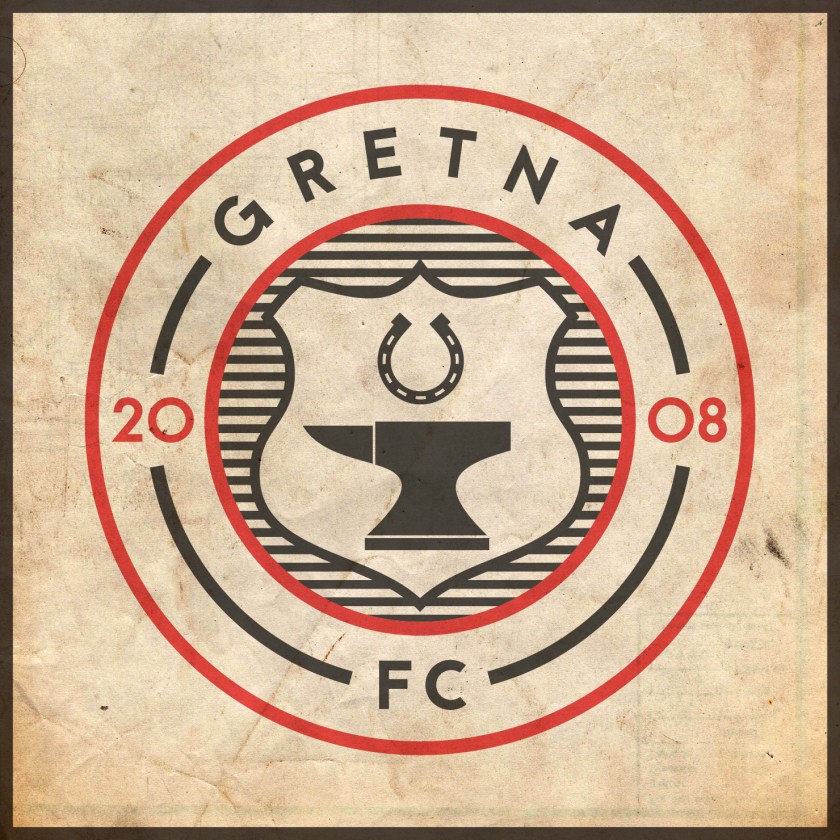
For my redesign, I employed a shield more akin to the shape of the original Gretna badge. Inside, it only includes an anvil and a horseshoe. Black and white horizontal lines, resembling the traditional Gretna black and white hoops, have been placed behind the shield. The badge is encircled by a ring bearing the club’s name.

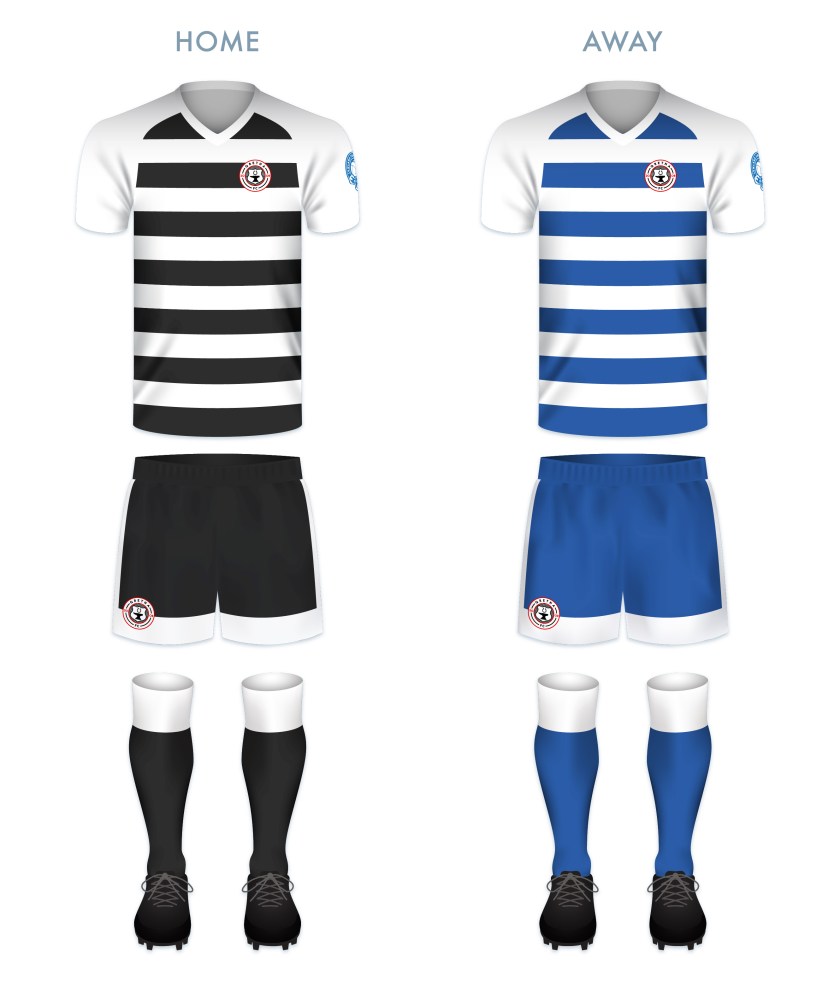
Both kit redesigns employ traditional Gretna colour schemes, with the home kit utilising the original club’s black and white hoops.
 Gala Fairydean Rovers Football Club was established in the Borders town of Galashiels in 1894. Thirteen years later, in 1907, the club split into Gala Fairydean and Gala Rovers, with the Rovers acting as the reserve side for Fairydean. With the outbreak of the First World War, both sides ceased. In 1919, Fairydean alone resumed competition, becoming a founding member of the East of Scotland Football League four years later. It would not be until 1947 that the Gala Rovers name resurfaced, this time, as an amateur side.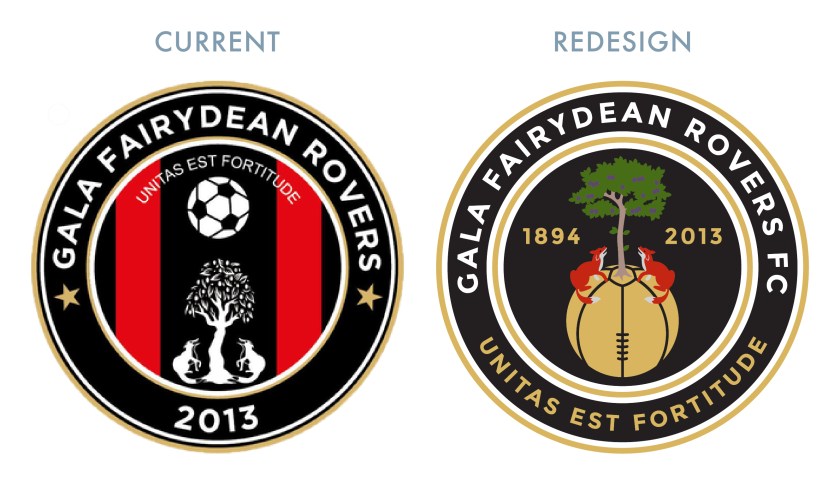


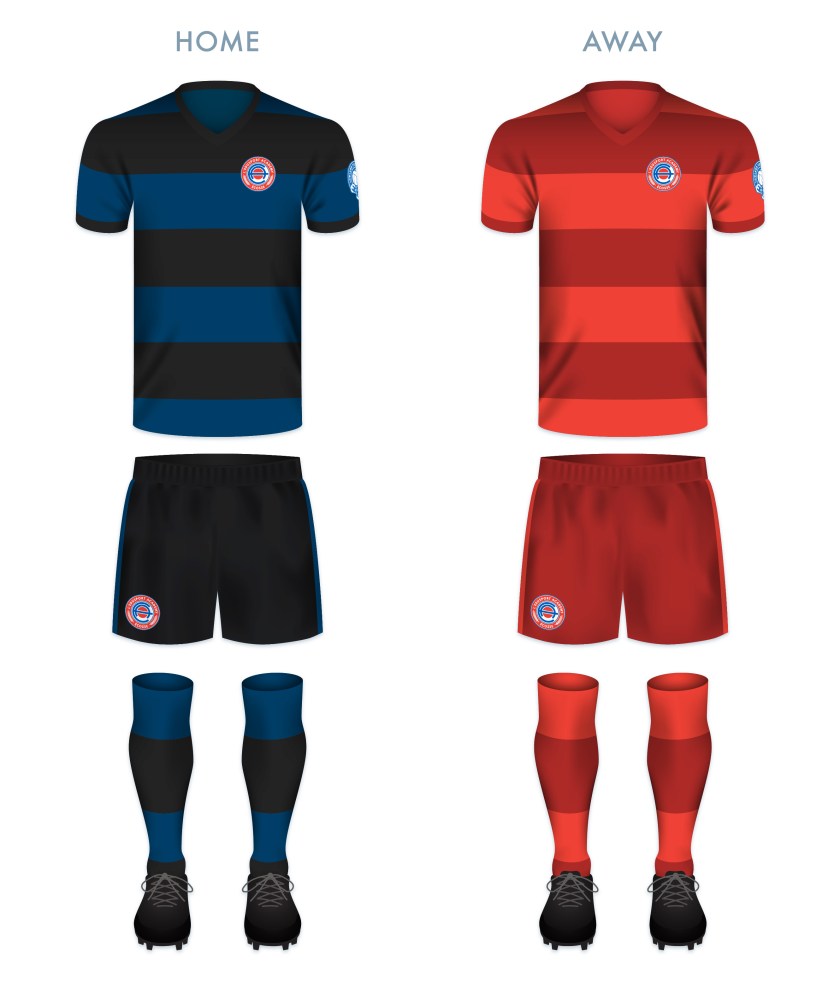
 Edusport Academy was established as a residential football academy in 2011 with the aim of developing young French players and giving them the opportunity to improve their English language skills. The purpose behind refining these skills was to give the young footballers an edge in entering into the professional game in Britain.
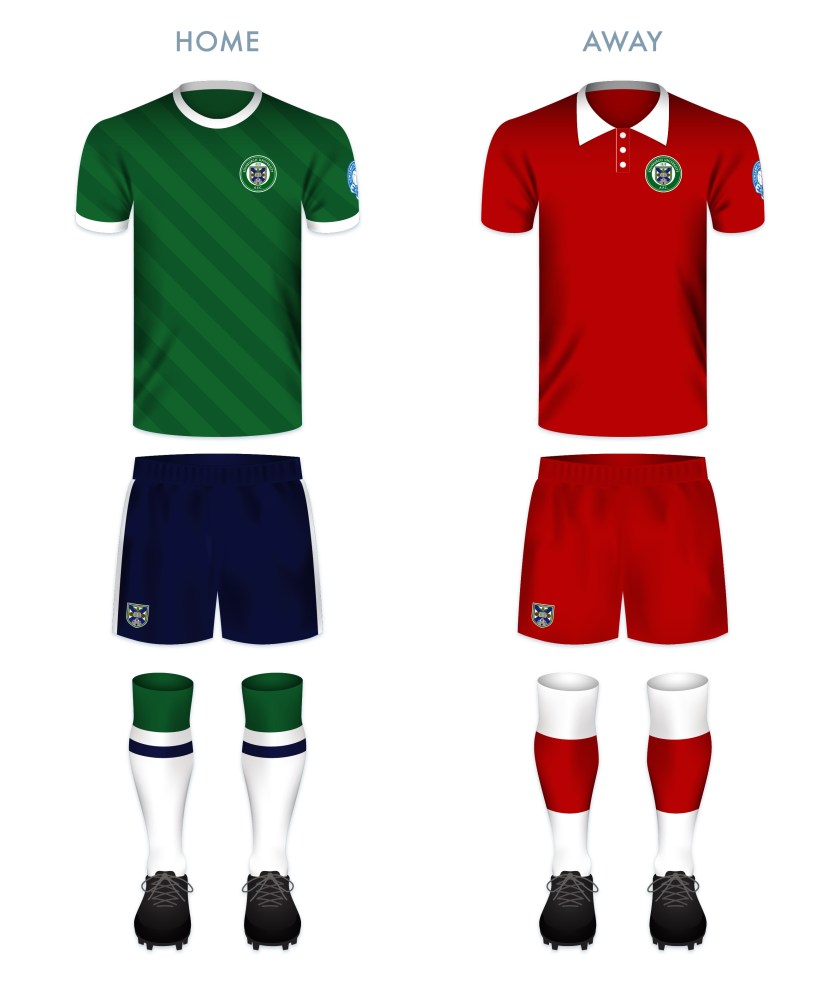
 Edinburgh University Association Football Club was constituted formally in 1878 and has been a member of the Scottish Football Association since the same year.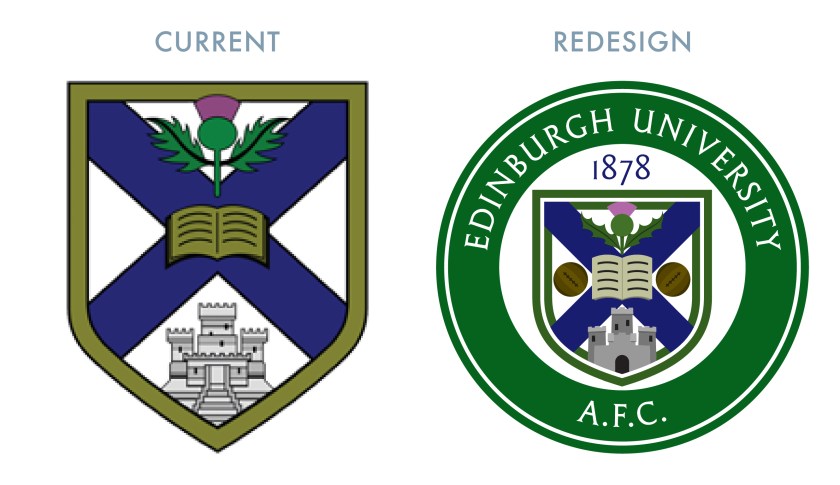
 As with a number of other Scottish football clubs, the origins of East Stirlingshire Football Club can be traced back to cricket. In 1880, a local cricket club in the Bainsford area of Falkirk, the Bainsford Blue Bonnets (styled as ‘Bainsford Bluebonnets’ by some sources), formed a football side called Bainsford Britannia. Britannia had existed as part of the cricket club for a year, when, in 1881, the football club broke away and adopted the name ‘East Stirlingshire’ (after a previous occupant of their home ground, East Stirlingshire Cricket Club). The name East Stirlingshire refers to the historic county of Stirlingshire, of which the town of Falkirk was a part until 1975.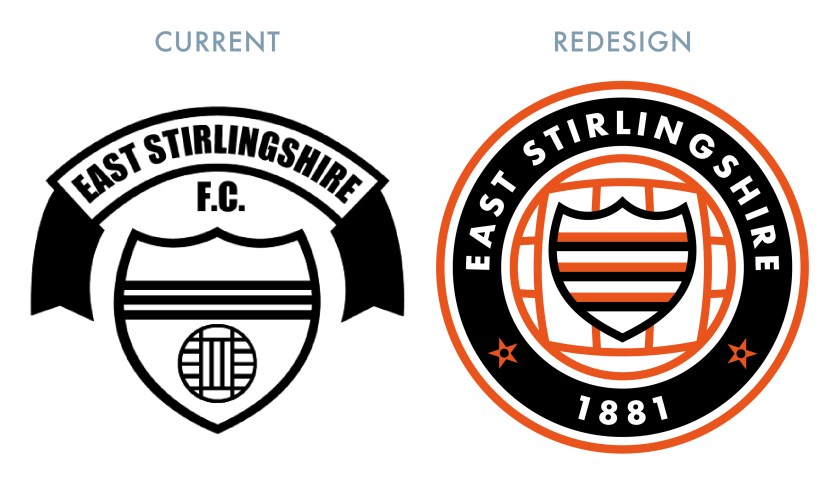

 The original East Kilbride Football Club was established in 1871, making it one of the earliest association football clubs in Scotland, after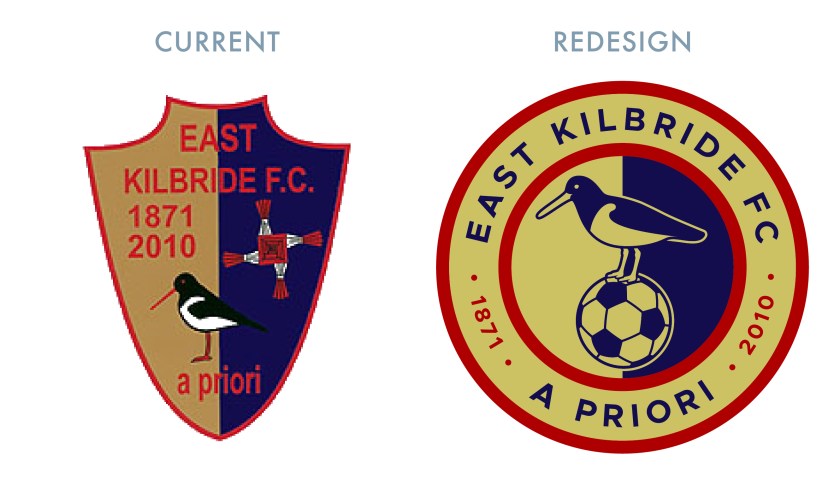
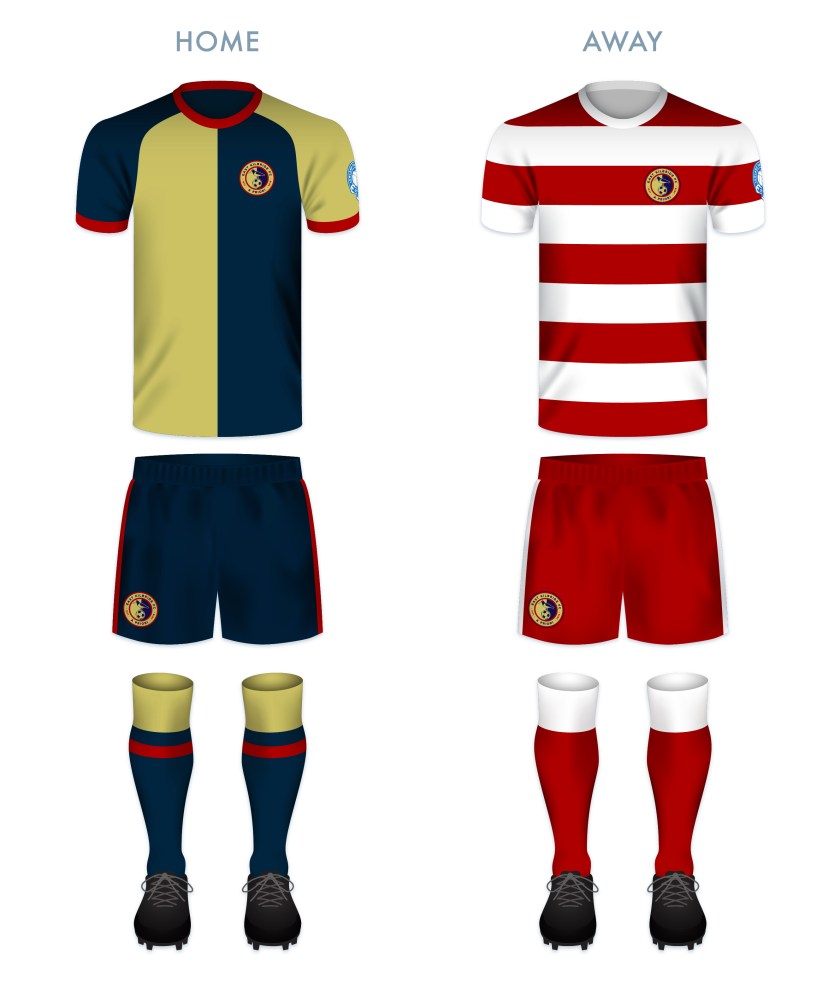
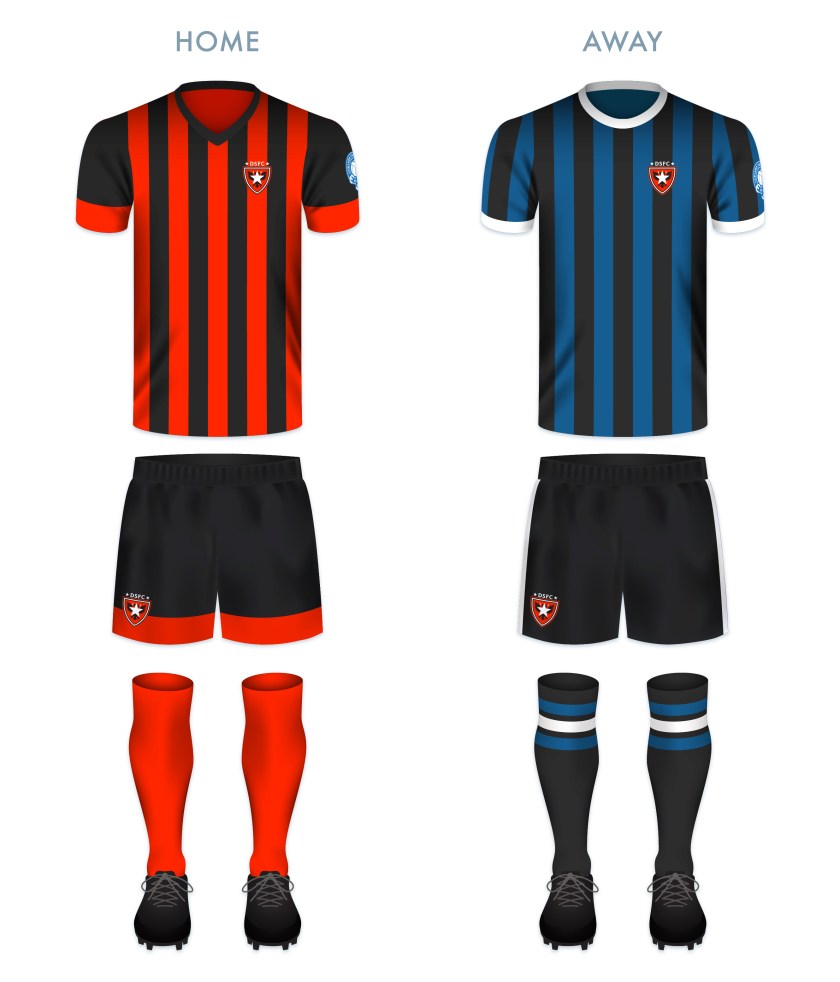
 The name Dalbeattie Star Football Club was used as early as 1900 for a team in the Kirkcudbrightshire town which played a number of local friendlies, but it was not until 1905 that Dalbeattie Star began to play competitive fixtures. In 1906, it was decided that the club would compete as a senior side and in August 1907, Dalbeattie Star were admitted into the SFA.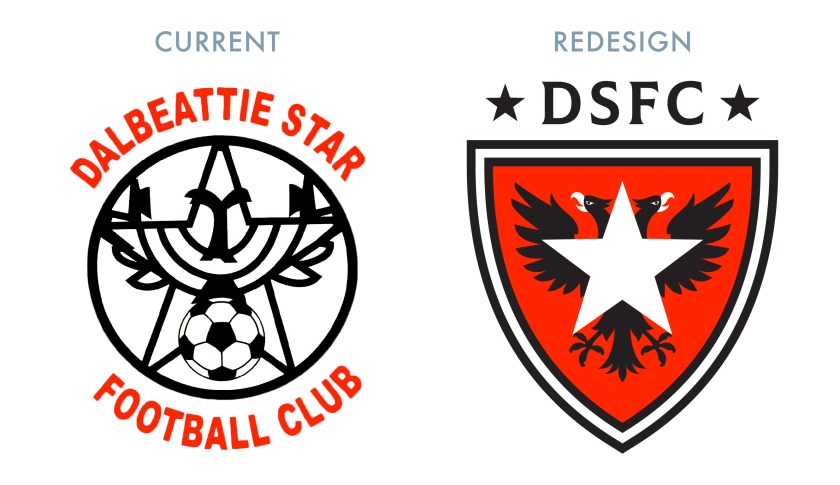
 Cumbernauld Colts Football Club was established as a youth football club (hence, the use of ‘Colts’) in 1969.
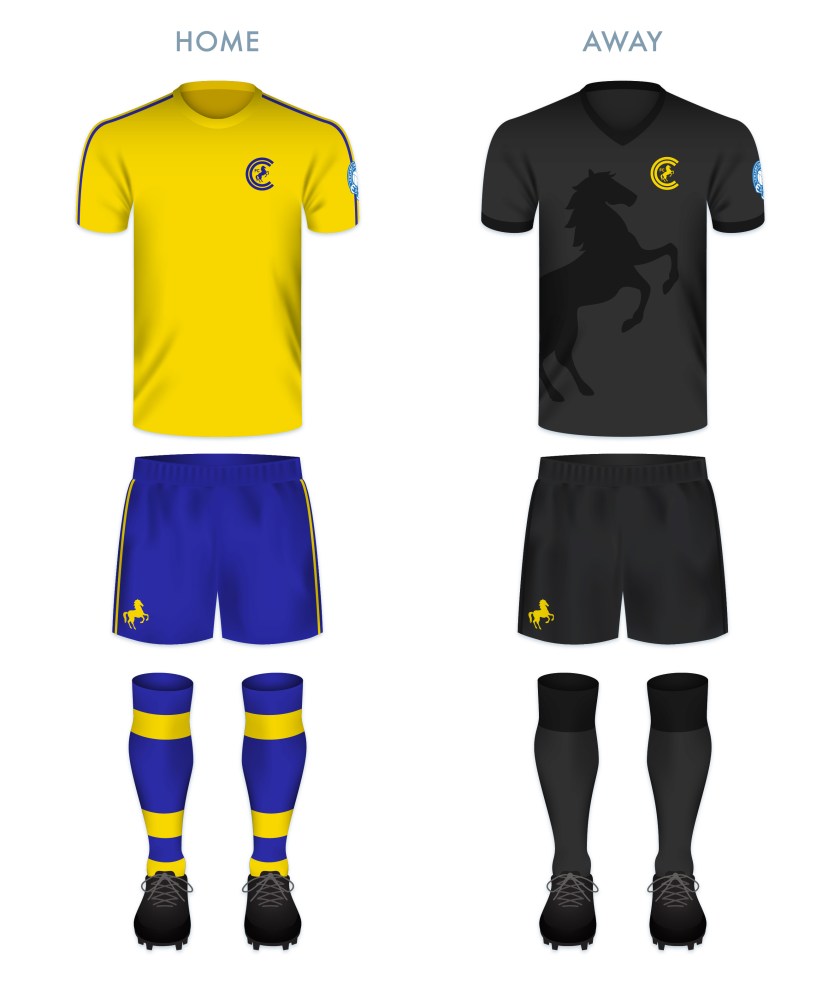
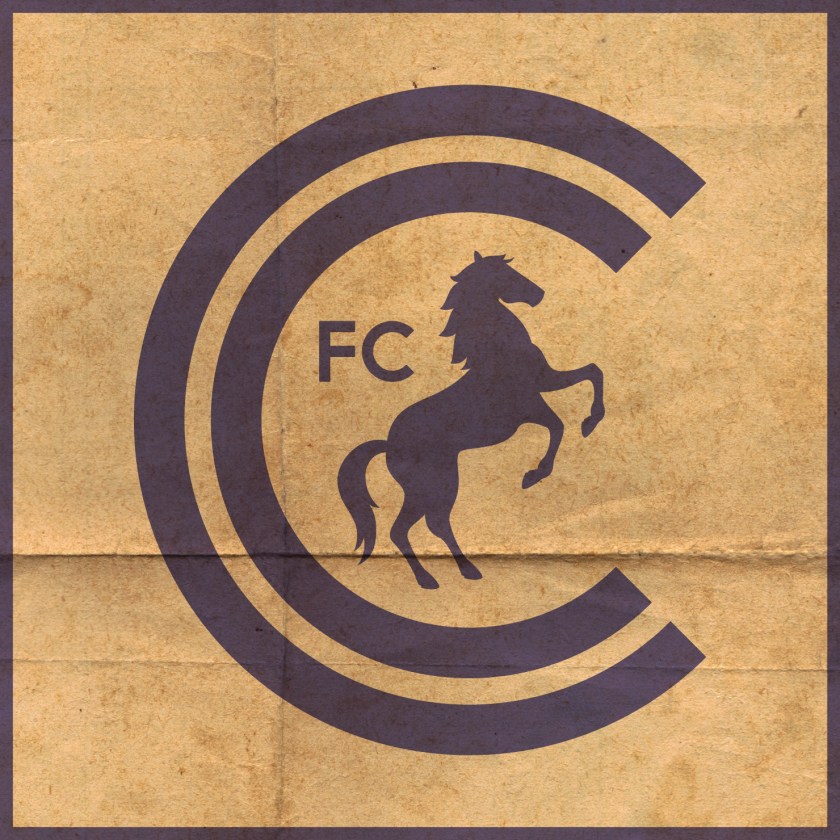
 Civil Service Strollers Football Club was established as Edinburgh Civil Service Football Club in 1908. The club was based at Stenhouse Stadium until moving to Pinkhill Stadium in Corstorphine in the 1920s. In 1957, the club moved to the Edinburgh Area Civil Service Sports Association in Muirhouse, where they continue to play today.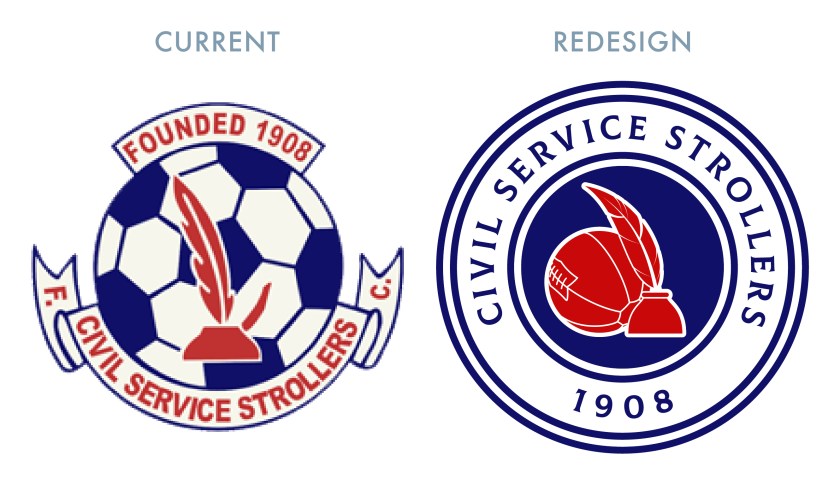
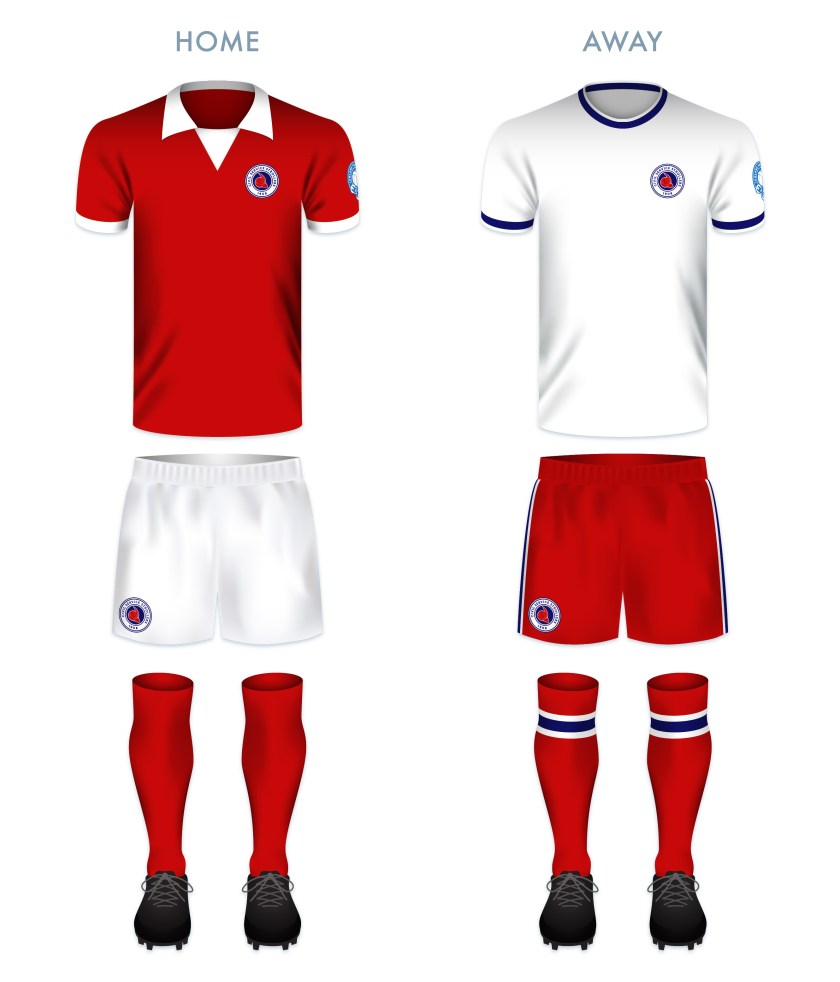
 Broomhill Sports Club was founded in Glasgow in 2004. A decade later, BSC Glasgow Football Club was established and since the 2014/15 season, the club has been competed in the


 ellliottt