
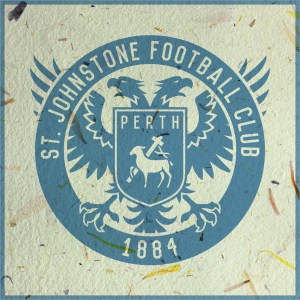
 Like Kilmarnock in 1869, potentially Heart of Midlothian in 1874, St Mirren in 1877 and Dunfermline Athletic in 1885, St Johnstone Football Club was established by off-season cricketers in 1884.
St Johnstone was admitted into the Scottish Football League after the original Port Glasgow Athletic FC (1878), who finished second-bottom in the 1910/11 season, chose not to apply for re-election into the second tier and dissolved soon thereafter. Only three seasons later, the second tier folded, being replaced by two regional leagues. At this stage, St Johnstone suspended operations for several seasons before joining the Eastern Football League in 1919.
By 1920, St Johnstone had joined the Central Football League, in which clubs were permitted to pay their players higher wages than were permitted in the SFL. The draw of these Central League clubs was so great that the SFL, seeking to stifle their competitors, incorporated this Central League into a newly-formed Second Division.
St Johnstone became Second Division champions for the first time at the end of the 1923/24 season. The club returned to the Second Division after finishing at the bottom of the First Division in the 1929/30 season. St Johnstone would return to the top tier on several more occasions, gaining promotion most recently in the 2008/09 season. The club’s highest honour came in the 2013/14 season, when they beat Dundee United 2-0 in the Scottish Cup final at Celtic Park.
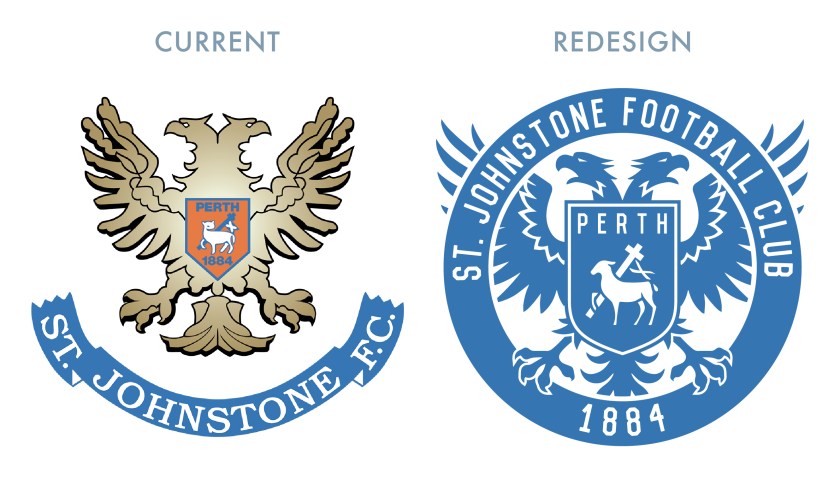
St Johnstone’s current badge was one of the biggest inspirations for my initial foray into redesigning Scottish football badges. The badge’s concept itself is strong, being derived from the historic Perth coat of arms. The central shield is born by a double-headed eagle (recalling an important Roman settlement called ‘Bertha’ near Perth). The shield features the AGNUS DEI (‘Lamb of God’), which represents St John the Baptist, the patron saint of Perth. This symbolism also informs the club’s name, as at one point, Perth was often referred to as ‘St John’s Toun’, or ‘St Johnstone’.
While I appreciate the historic symbolism of the current badge, I find the execution displeasing. With my redesign, I sought to retain the essential iconography of the current badge, but to present it with greater unity and clarity.
As far as the kits go, I went with a classic solid blue home shirt (complete with a 1970s-styled collar). For the away shirt, I decided to go with a vibrant yellow. To break up the field, I went with minimalist triangles that both hint at an argyle pattern while also suggesting the mountainous Highlands (as Perth is positioned near the Highland Boundary Fault and is sometimes referred to as the ‘Gateway to the Highlands’).


As ever, I am indebted to Dave at Historical Football Kits for some of the historical information used above.
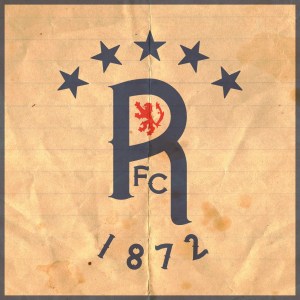 In February 1872, brothers and avid rowers Moses and Peter McNeil met with fellow rowers Peter Campbell and William McBeath at Flesher’s Haugh (now part of Glasgow Green), on the northern bank of the River Clyde. It was not rowing that monopolised their attention that morning, but the spectacle of a group of men playing football on the green. Their imaginations were captured and they decided that they would turn their energies to organising their own football team.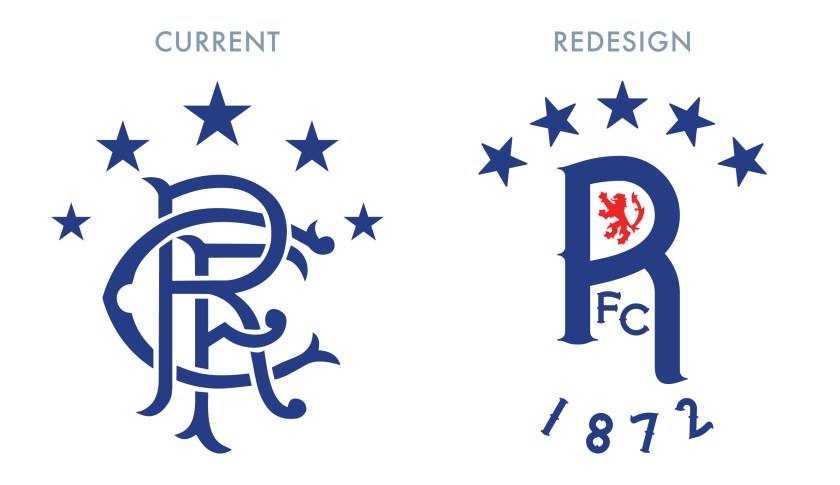

 Motherwell Football Club was established in 1886 at the merging of two Motherwell-based teams: Glencairn FC (established in 1877 and named after the soldier and politician John Glencairn Carter Hamilton, 1st Baron Hamilton of Dalzell) and Alpha FC (established as the Alpha Steam Crane and Engine Works team in 1881).

 Kilmarnock Football Club was formed in 1869, making it one of the oldest football clubs in the world. Before this time, Kilmarnock was an established cricket club, playing according to rugby football code in the cricket off-season. This rugby football code history is reflected in the naming of the club’s ground, Rugby Park.
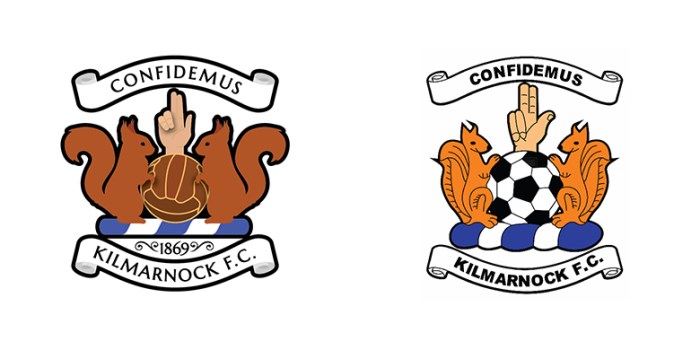 I was never quite satisfied with the redesign above. I have long appreciated the content of the current Kilmarnock badge, but have found the execution to be lacking. Ultimately, with my redesign here, I decided to go for something far more minimalistic, calling back to the original badge used from 1873 to 1887.


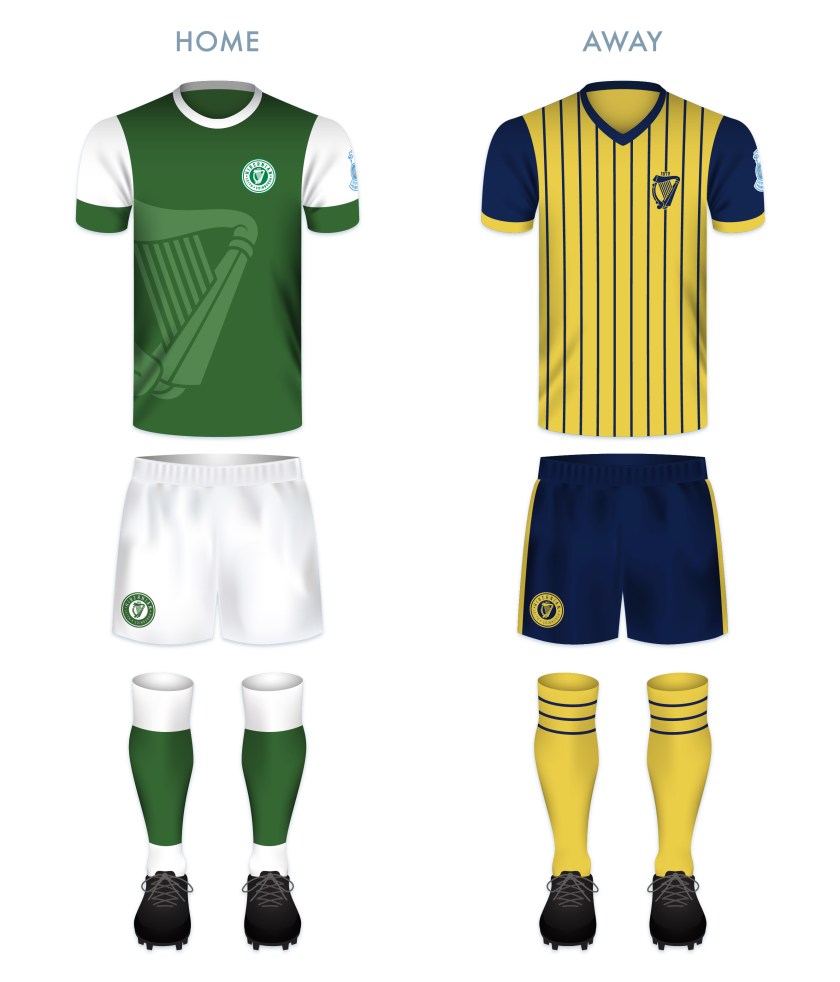
 During the challenging years of the Great Famine in the nineteenth century, many Irish emigrated to Scotland, with most settling in and around Glasgow. Smaller groups of Irish immigrants settled in the east, especially in Dundee and Edinburgh. A particularly concentrated Irish population settled in the Cowgate area of Edinburgh and it was there that in 1875, Irish-born priest Canon Edward Joseph Hannon of St Patrick’s Church was encouraged by Michael Whelahan to establish a football club in order to promote a life of temperance and religious adherence among the young Irish Catholic male population in Edinburgh. Hibernian Football Club was thus formed, with Whelahan acting as the club’s first captain and Canon Hannon acting as the club’s first manager.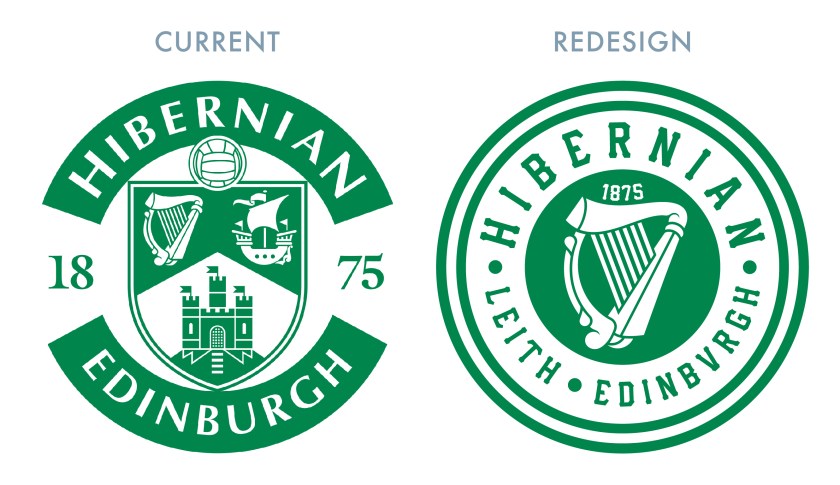

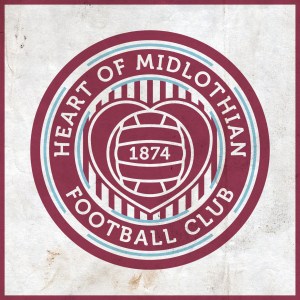 The precise origin of the Heart of Midlothian Football Club is unclear. A report in The Scotsman from 1864 first mentions ‘Heart of Midlothian’ as a cricket club, though it is not known for certain whether—alongside the likes of


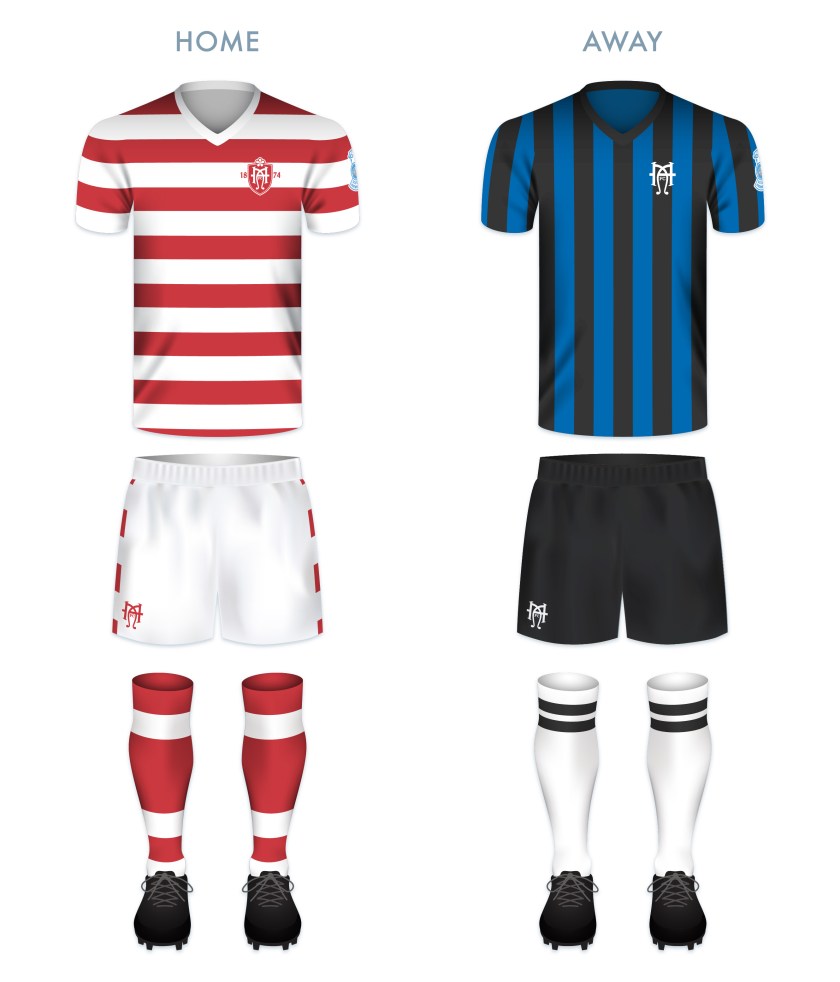
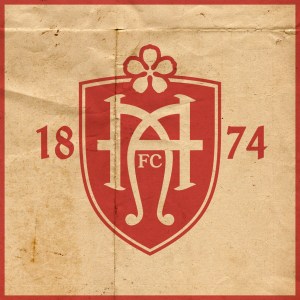 Hamilton Academical Football Club was established in 1874 by, as the name suggests, pupils and the rector of Hamilton Academy (1588-1972).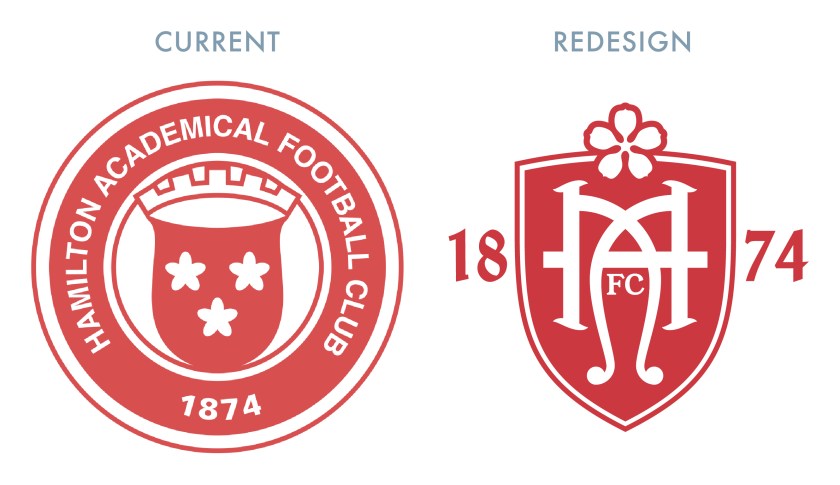

 Established in 1893 by way of a merger between two Dundee football clubs—East End and Our Boys (both formed in 1877)—throughout the club’s history, Dundee Football Club have experienced their fair share of glory. The club won the Scottish Cup in 1909/10, as well as the Scottish League Cup in 1951/52, 1952/53 and 1973/74. The Dee were also crowned 1961/62 Scottish champions and the following season, they reached the semi-final of the European Cup.


 This whole
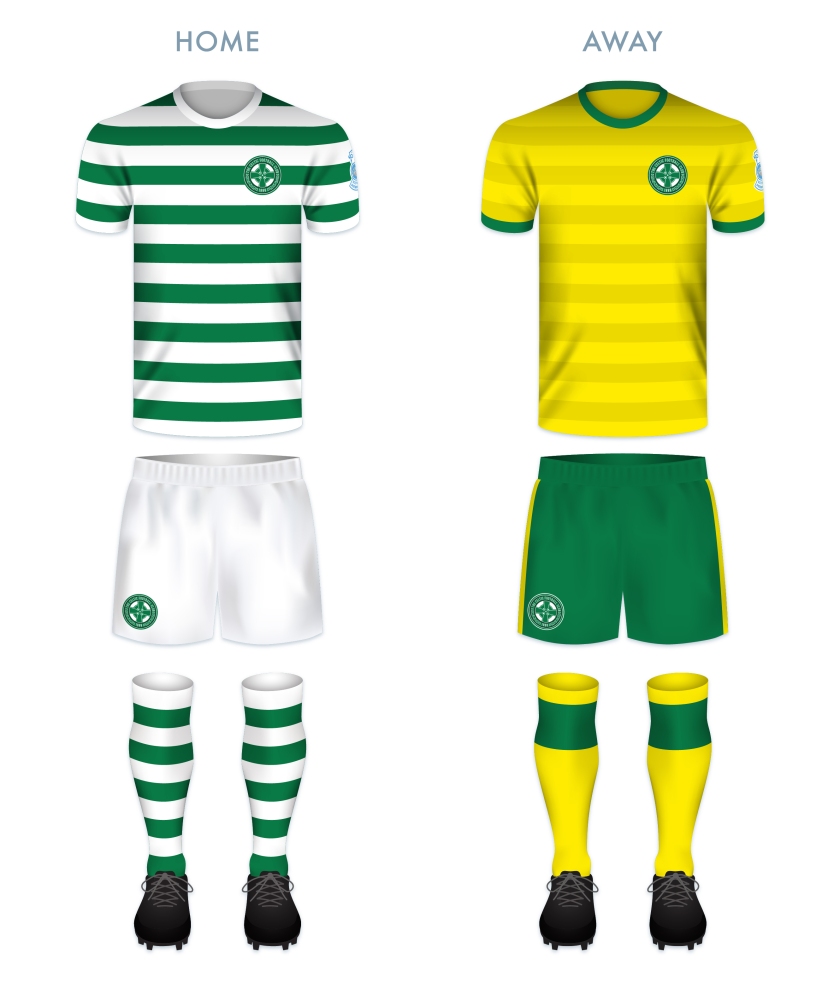
 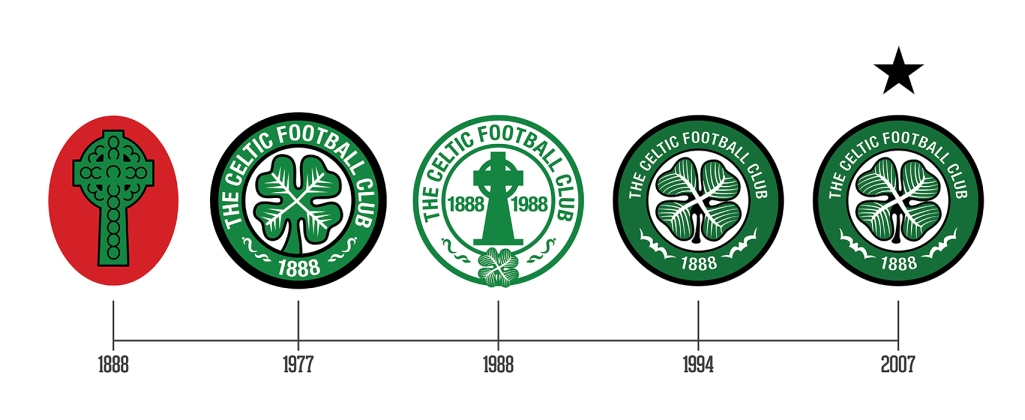 After the 2007/08 season, the star was retained and the badge remained the same until 2012/13 season, when Celtic celebrated their 125th anniversary by using a 1994 badge encircled by an attractive Celtic knot and an alternative badge featuring a Celtic cross.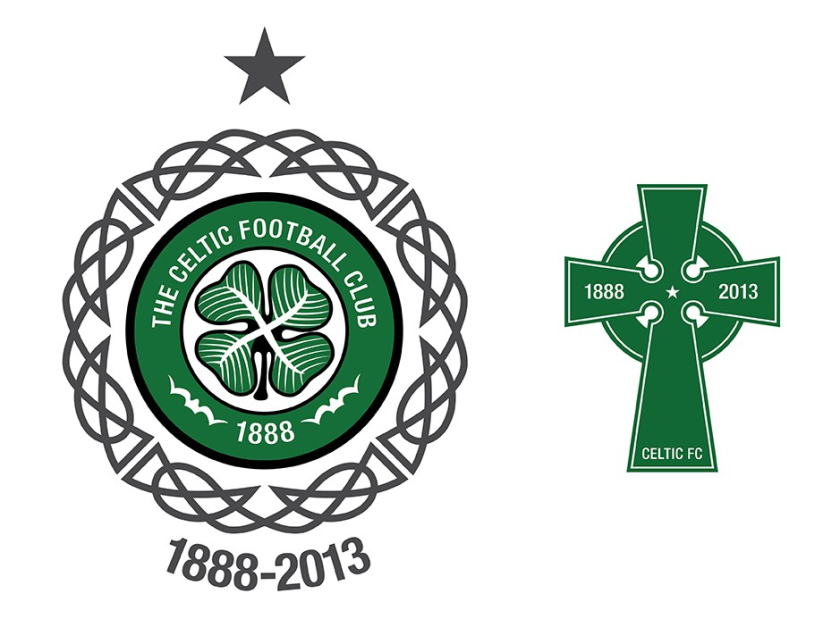
 Aberdeen Football Club was established in 1903. Since that time, the club has amassed a variety of honours. This includes seven Scottish Cups (fifth most, behind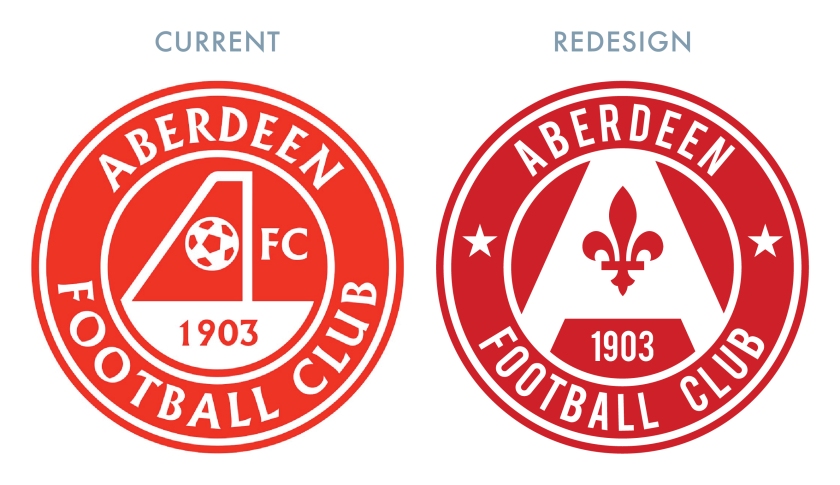

 ellliottt