
 Gala Fairydean Rovers Football Club was established in the Borders town of Galashiels in 1894. Thirteen years later, in 1907, the club split into Gala Fairydean and Gala Rovers, with the Rovers acting as the reserve side for Fairydean. With the outbreak of the First World War, both sides ceased. In 1919, Fairydean alone resumed competition, becoming a founding member of the East of Scotland Football League four years later. It would not be until 1947 that the Gala Rovers name resurfaced, this time, as an amateur side.
Fairydean experienced relative success in the EoSFL, with their most fruitful period taking place in the 1960s. During this time, the club claimed six league championships (1960/61, 1961/62, 1963/64, 1964/65, 1965/66 and 1968/69). Fairydean went on to win the EoSFL championship twice more, in 1988/89 and 1990/91.
Over the coming years, Fairydean applied unsuccessfully to the Scottish Football League on four ocassions. Eventually, in 2013, Fairydean and Rovers merged, forming the modern incarnation of Gala Fairydean Rovers. That same year, the new club was granted membership in the new Lowland League.
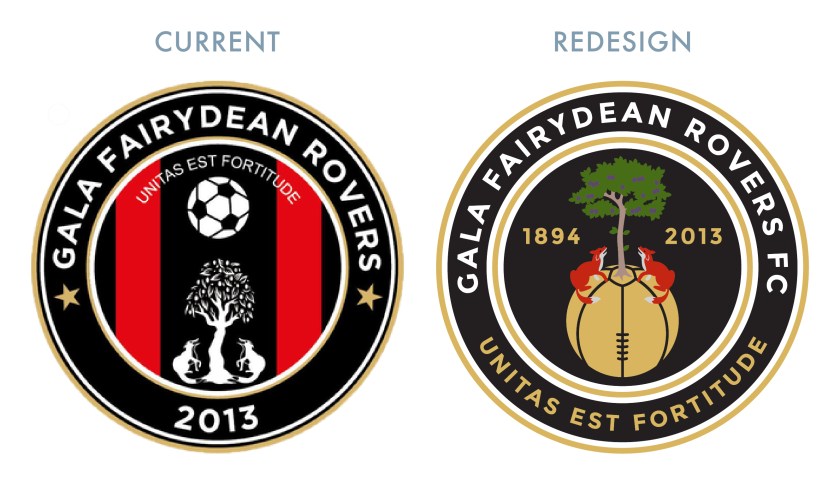
At some point during their time as Gala Fairydean, the club began to use a badge which featured the coat of arms of the Burgh of Galashiels. This coat of arms includes two foxes seated at the base of a plum tree, looking upward and a version of this image can be found in the current badge. The current badge also includes a hovering football, the Latin motto, UNITAS EST FORTITUDE (‘unity is strength’) and two red stripes over a black field, representing, in my best estimate, the traditional home kit of Gala Fairydean.
For my redesign, I decided that I wanted to retain the elements from the coat of arms and the Latin motto (which I find especially apt given Gala Fairydean Rovers’ history), but I was not convinced with the way that they are presented in the current badge. I opted to tie the foxes, the plum tree and the football together, with the former resting atop a redesigned, Victorian-styled football in gold. As I don’t feel as if the current badge’s foxes much resemble foxes, I went with a more ‘maximalist’ colour scheme. I also chose to include both the current club’s date of formation as well as the original Gala Fairydean Rovers’ date of formation. The Latin motto has been moved to the outer circle in gold.
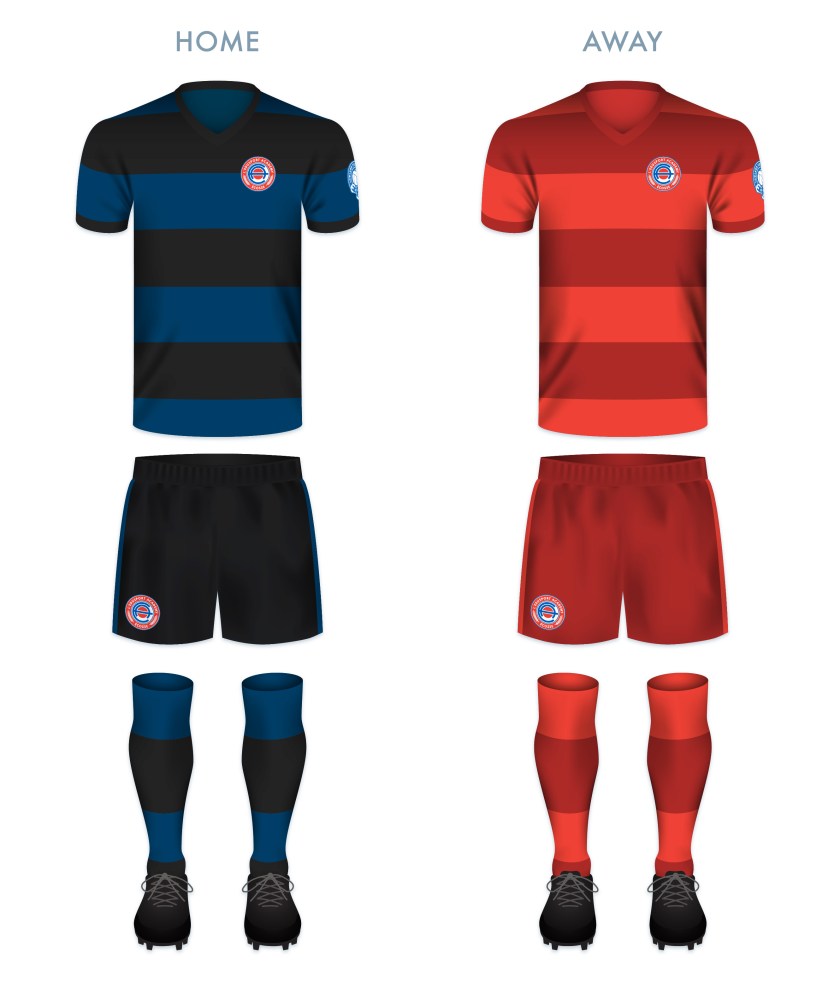
For the kit redesigns, I opted to go with some version of the current kits, bringing back the home kit’s red and black vertical stripes (which are absent from the club’s kit at present).


 Edusport Academy was established as a residential football academy in 2011 with the aim of developing young French players and giving them the opportunity to improve their English language skills. The purpose behind refining these skills was to give the young footballers an edge in entering into the professional game in Britain.
 Edinburgh University Association Football Club was constituted formally in 1878 and has been a member of the Scottish Football Association since the same year.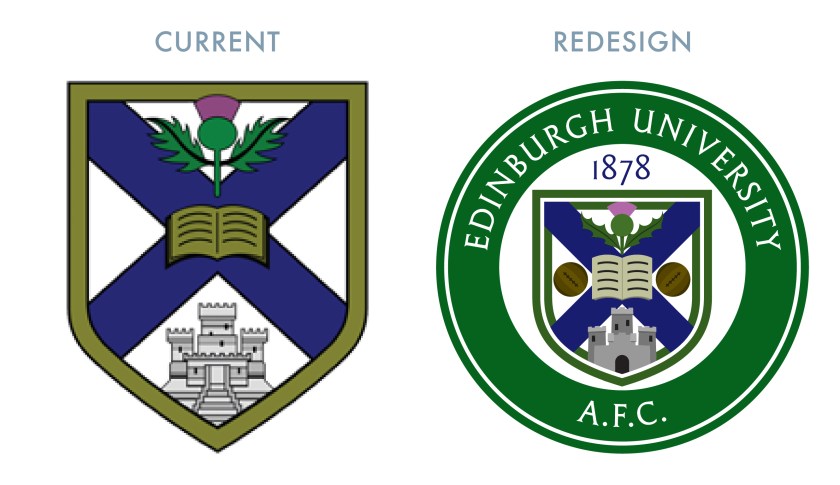
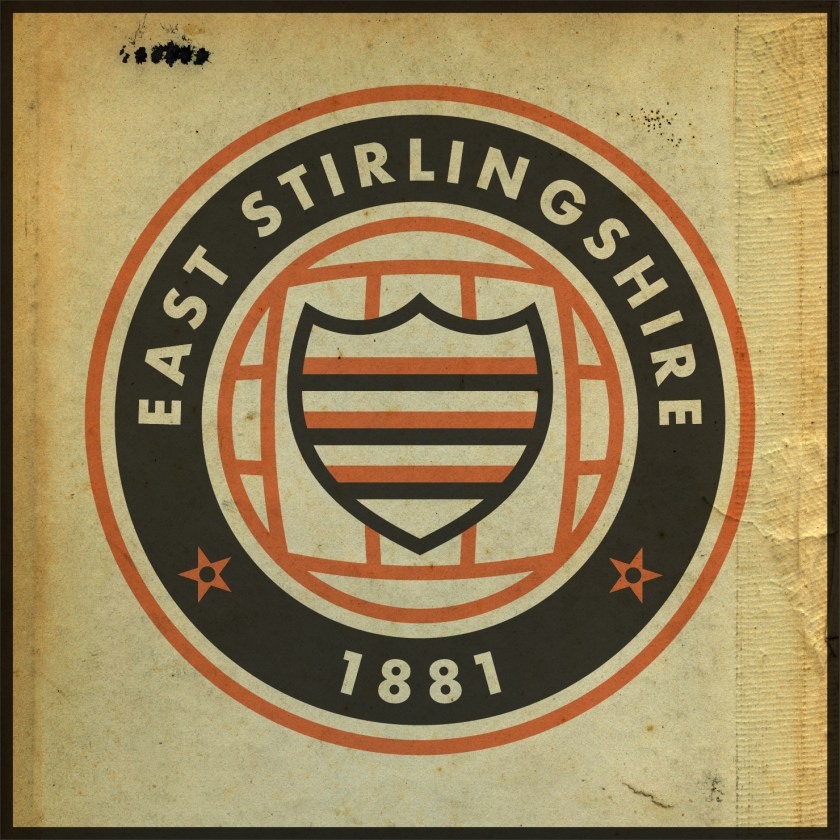
 As with a number of other Scottish football clubs, the origins of East Stirlingshire Football Club can be traced back to cricket. In 1880, a local cricket club in the Bainsford area of Falkirk, the Bainsford Blue Bonnets (styled as ‘Bainsford Bluebonnets’ by some sources), formed a football side called Bainsford Britannia. Britannia had existed as part of the cricket club for a year, when, in 1881, the football club broke away and adopted the name ‘East Stirlingshire’ (after a previous occupant of their home ground, East Stirlingshire Cricket Club). The name East Stirlingshire refers to the historic county of Stirlingshire, of which the town of Falkirk was a part until 1975.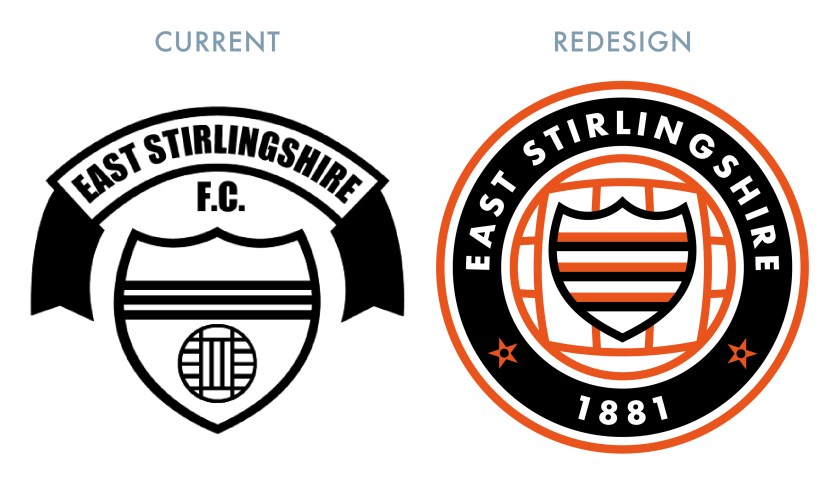

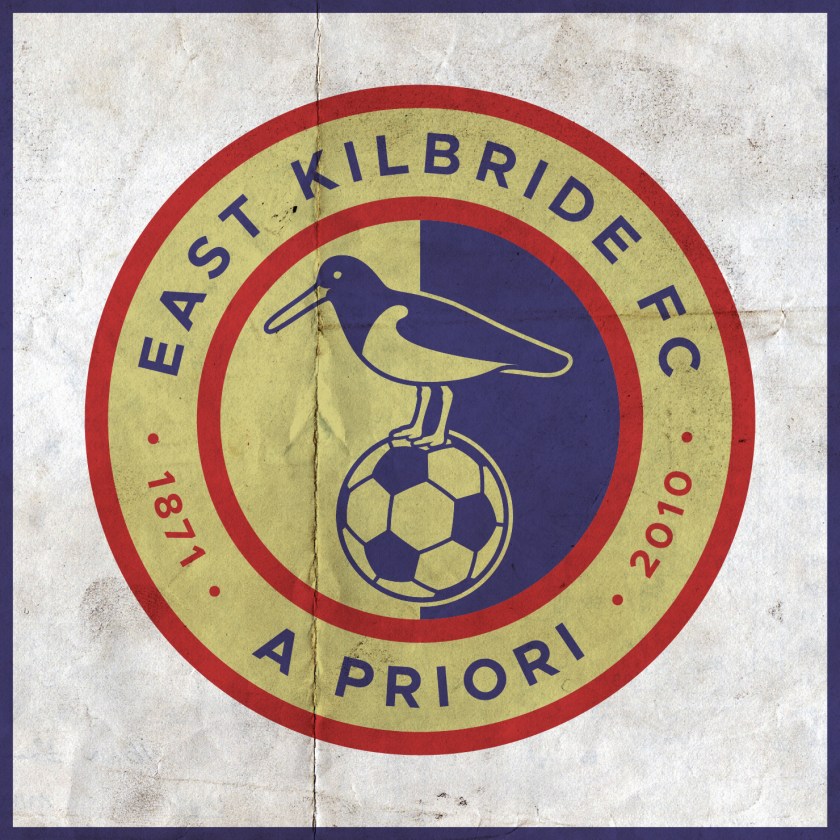
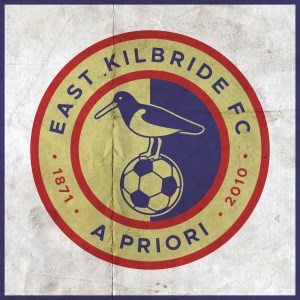 The original East Kilbride Football Club was established in 1871, making it one of the earliest association football clubs in Scotland, after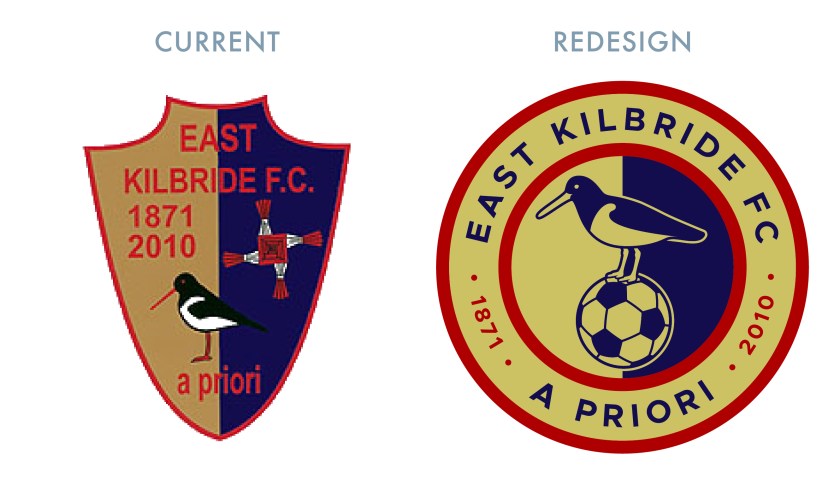

 The name Dalbeattie Star Football Club was used as early as 1900 for a team in the Kirkcudbrightshire town which played a number of local friendlies, but it was not until 1905 that Dalbeattie Star began to play competitive fixtures. In 1906, it was decided that the club would compete as a senior side and in August 1907, Dalbeattie Star were admitted into the SFA.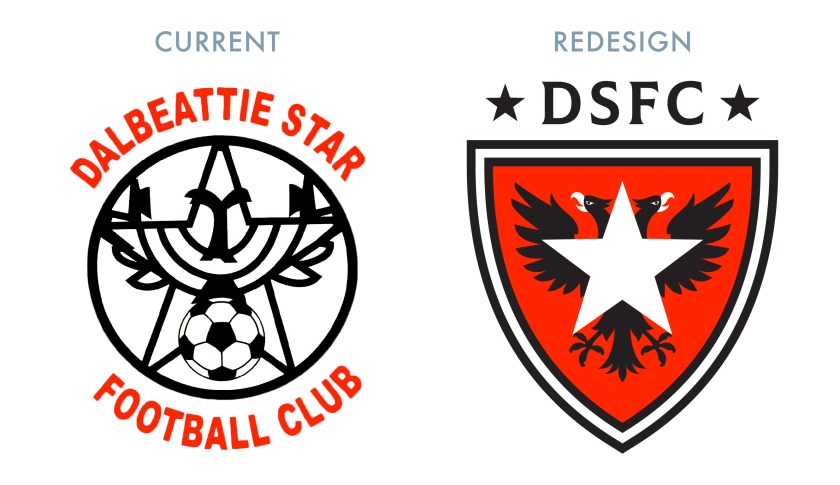
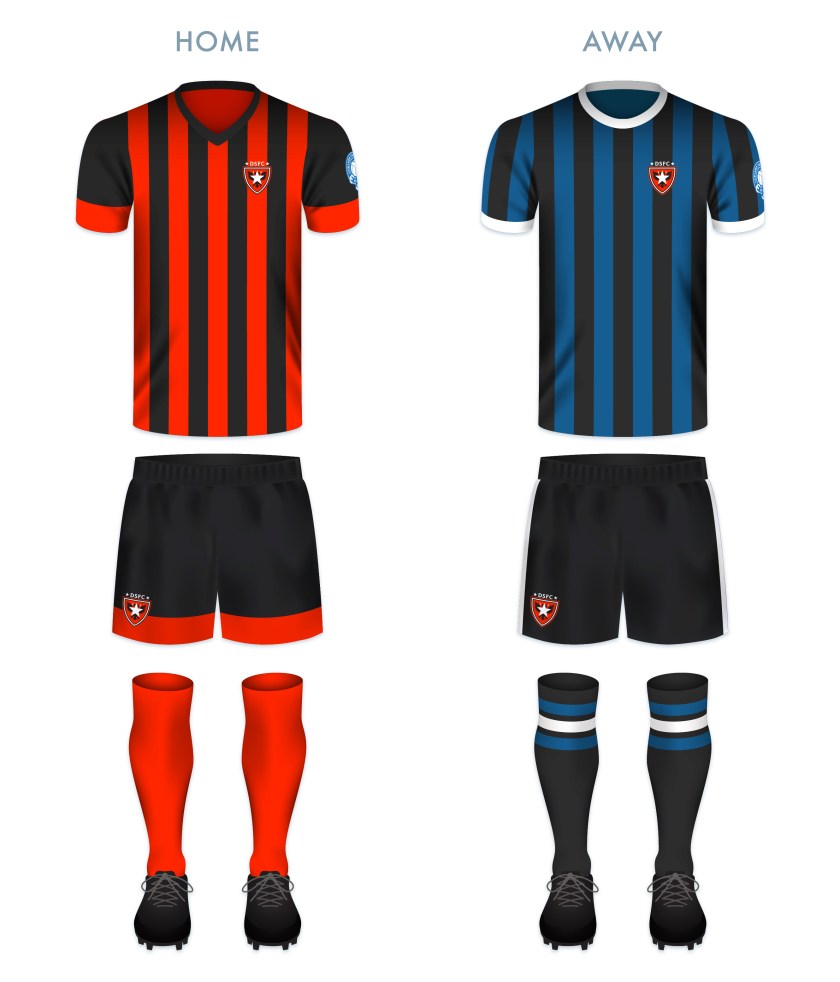
 Cumbernauld Colts Football Club was established as a youth football club (hence, the use of ‘Colts’) in 1969.
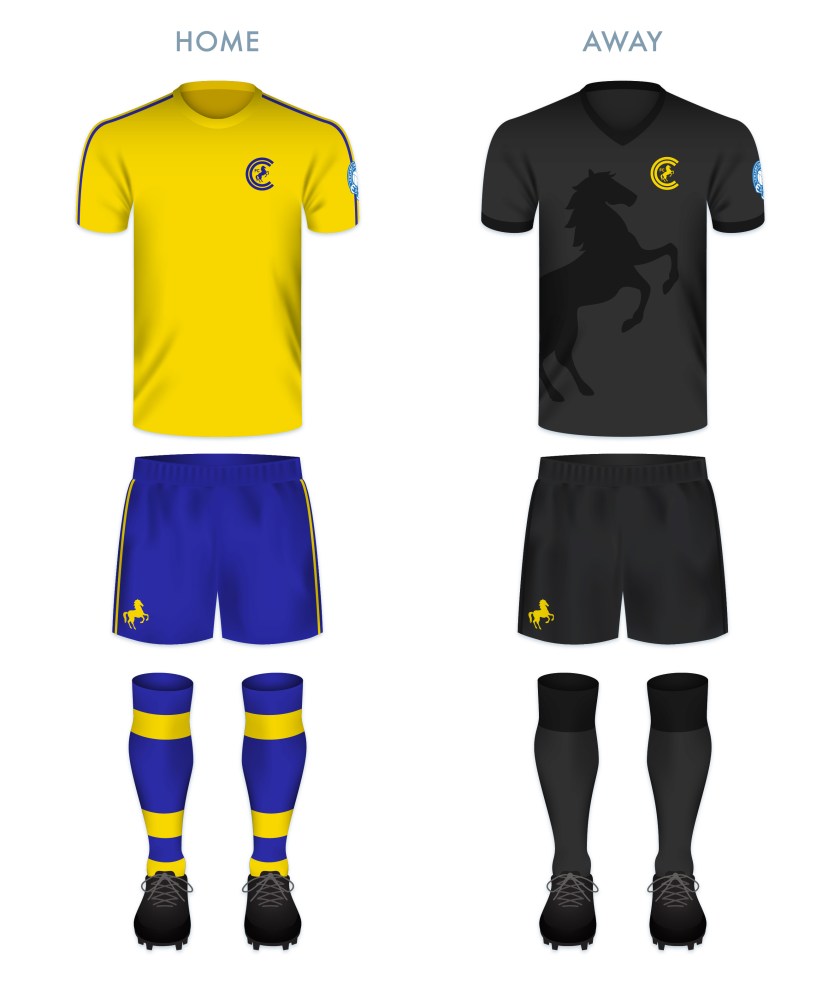

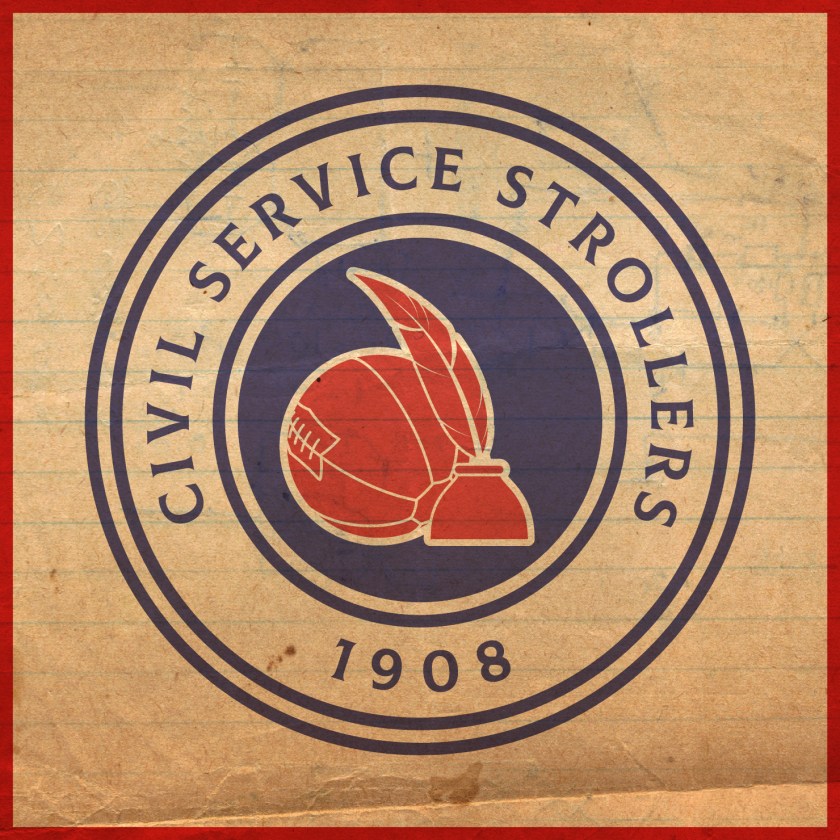
 Civil Service Strollers Football Club was established as Edinburgh Civil Service Football Club in 1908. The club was based at Stenhouse Stadium until moving to Pinkhill Stadium in Corstorphine in the 1920s. In 1957, the club moved to the Edinburgh Area Civil Service Sports Association in Muirhouse, where they continue to play today.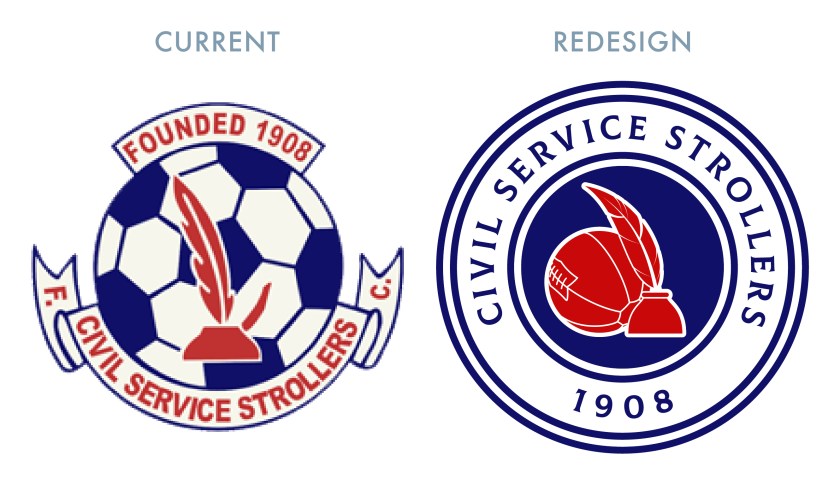

 Broomhill Sports Club was founded in Glasgow in 2004. A decade later, BSC Glasgow Football Club was established and since the 2014/15 season, the club has been competed in the


 Wick Academy Football Club was established in 1893. The club’s name comes from the former Pulteneytown Academy (which closed in 2016) in Wick. The club’s link to the actual academy was tenuous and was only maintained when John Davidson, a teacher at Pultneytown Academy, was elected the first club captain (Davidson was listed as ‘leader’ in the minute of this first meeting).

 ellliottt