
 Deveronvale Football Club was established in 1938 at the union of two pre-existing clubs, Deveron Valley and Banff Rovers. The club name comes from the River Deveron, which separates the twin fishing towns of Banff and Macduff on the northern Aberdeenshire coast.
The name ‘Deveronvale’ was chosen so as to demonstrate that the club belonged to the communities of both Banff and Macduff. The current badge is a version of the first and only badge worn by the club, first employed in the 1970s. In order to further emphasise this shared ‘ownership’ of the club, the designer, local schoolteacher Chris Murray, decided upon a depiction of a seagull in order to avoid favouring one town over the other.
A year after the union, the club joined the Highland Football League, though it was not until 2003 that they won their first Highland League title. This achievement was repeated three years later. In addition to these two Highland League championships, Vale’s honours include eight Aberdeenshire Cups, two Aberdeenshire Shields and secured their place in the Scottish Cup tournaments of 1951/52 and 2001/02 by winning the Scottish Qualifying Cup (North) during those campaigns.
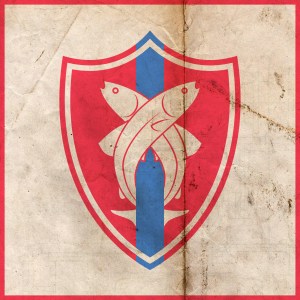
Designing a new badge for Vale was a challenge. The current badge is both unique to Scotland in its shape (it resembles Liverpool FC’s full badge very closely, especially the badge first included on Liverpool’s 1987/88 kits) and striking in its aesthetics and simplicity. But, although the centrepiece of the current badge is meant to be a seagull, I find it difficult to see – a Native American thunderbird or an eagle comes to my mind more readily.
Ultimately, I chose to reuse the current badge shape. In order to emphasise both the River Deveron and the twin fishing towns of Banff and Macduff, I placed a blue stripe through the middle of the badge, crossed by two fish (salmon). The salmon coming from the left crosses in front of the salmon coming from the right, emphasising that, while Deveronvale belongs to both Banff and Macduff, the town on the western bank of the River Deveron, Banff, has always been home to Deveronvale’s home ground.

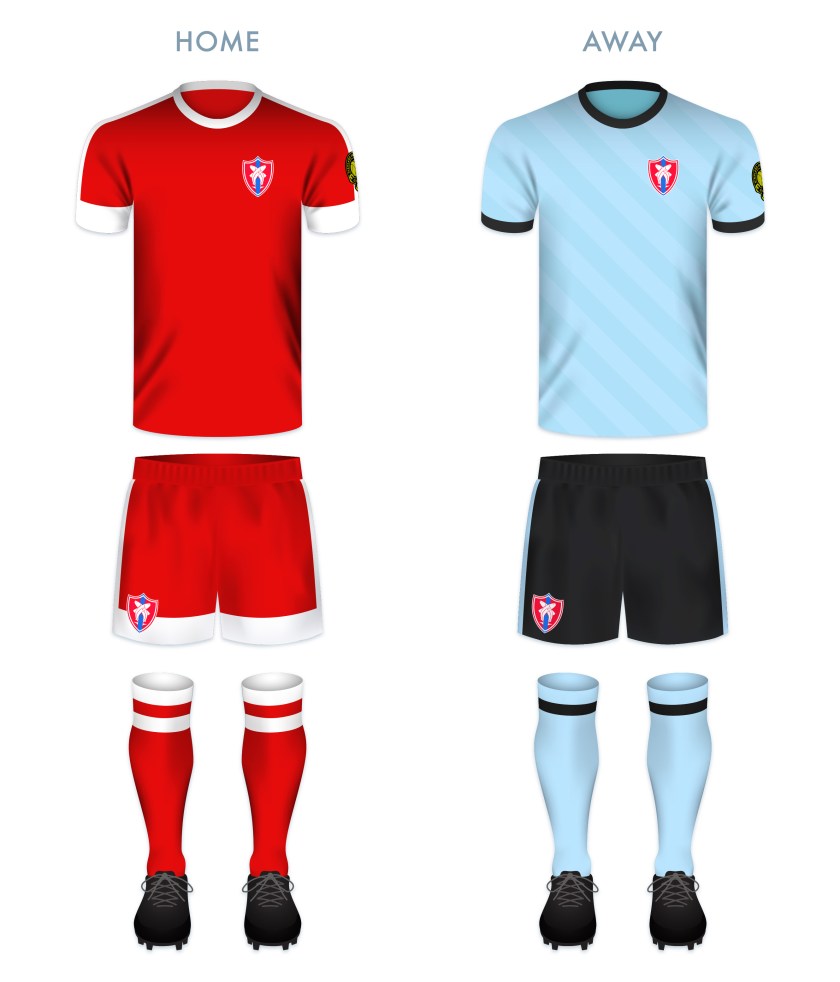
The kit redesigns make use of traditional Deveronvale home and away colour schemes.

 Cove Rangers Football Club was established in 1922. The club takes its name from Cove Bay, located in the southeastern corner of the city of Aberdeen, in which they play.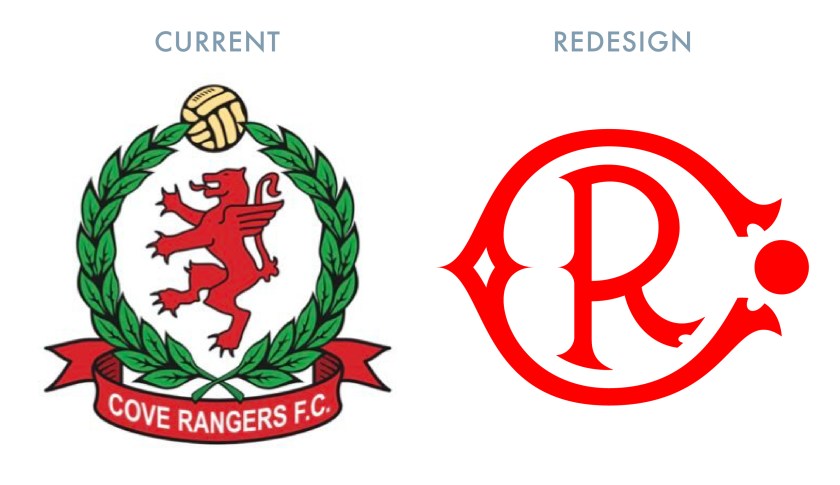

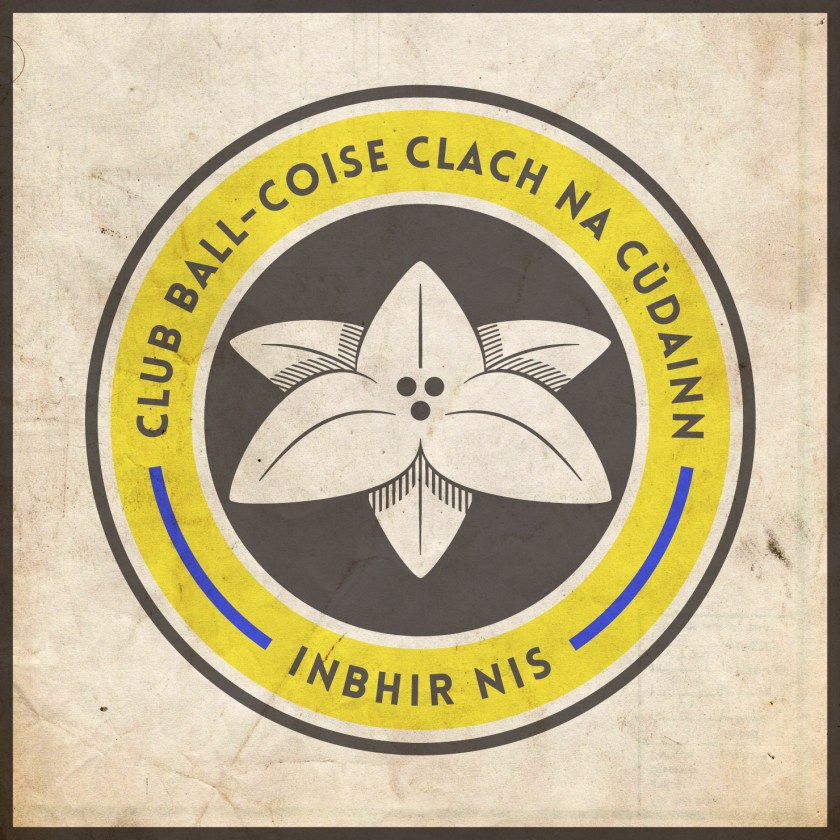
 Clachnacuddin Football Club was established in 1885. The name of the club is an Anglicisation of the Scottish Gaelic Clach na Cùdainn, meaning, ‘Stone of the Tub’, a reference to a particular landmark in the club’s locality, the Merkinch area of Inverness. (It is said that Merkinch, which is situated between the Caledonian Canal on the west and the River Ness on the east, was home to a particular stone at which locals would do their washing, hence the ‘tub’.)

 The early history of Buckie Thistle Football Club is something of a mystery. Although the exact year of the club’s founding is unknown, it is accepted generally to have been established in 1889. The club’s green-and-white hooped home shirts resemble that of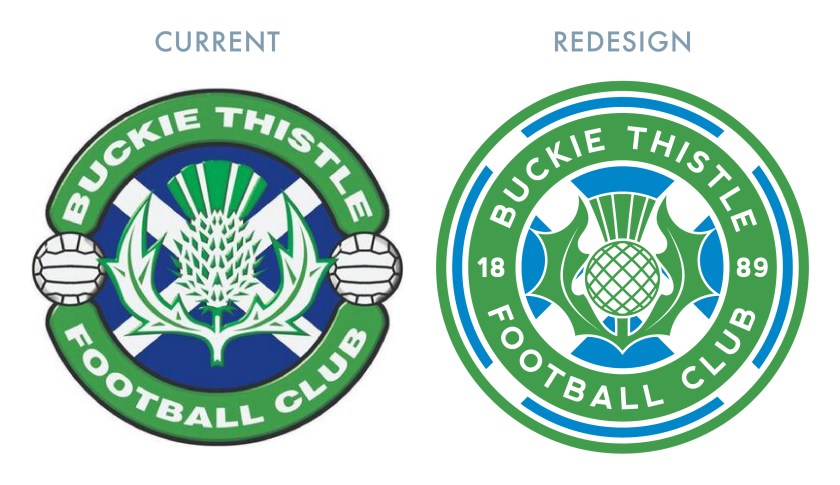


 Brora Rangers Football Club was established in the village of Brora, Sutherland in 1879. In 1933, the club became members of the Scottish Football Association and in 1962, they began to compete in the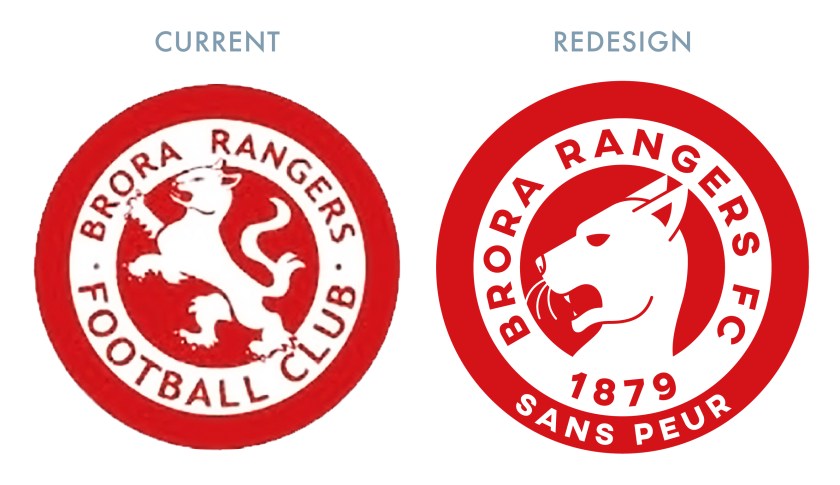
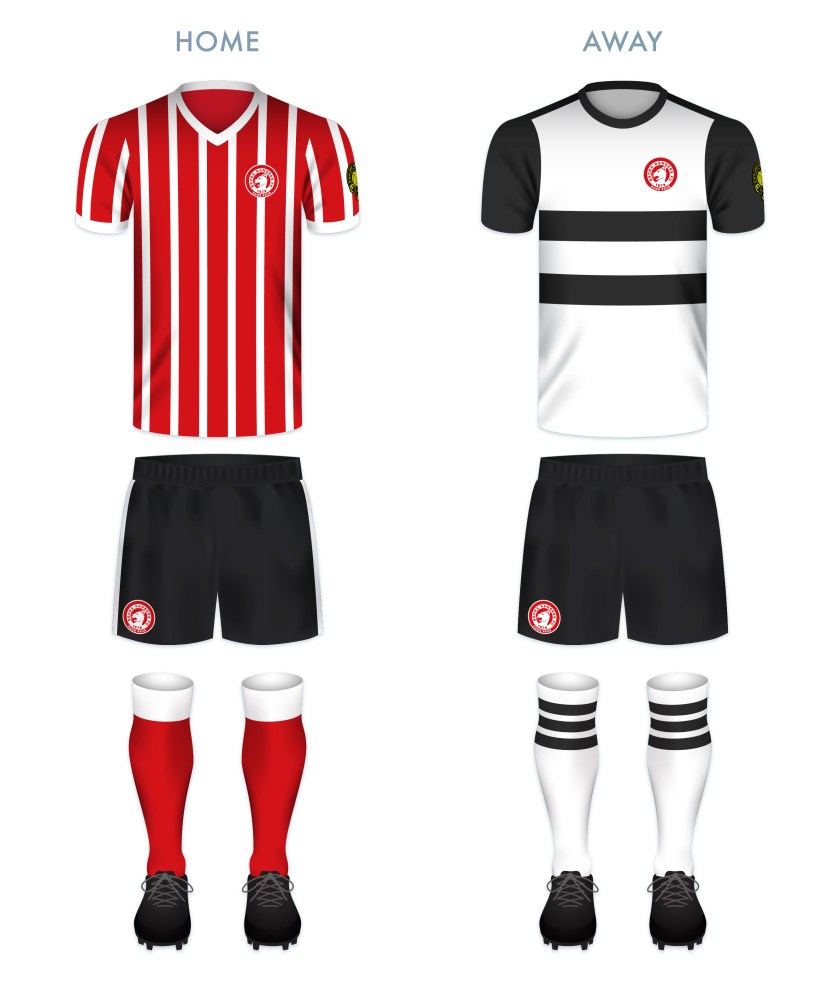
 I first began redesigning Scottish football badges in 2013 as a personal challenge. In 2018, I set myself the task of tweaking or completely redesigning my initial rebrandings, and completing badge and strip redesigns for the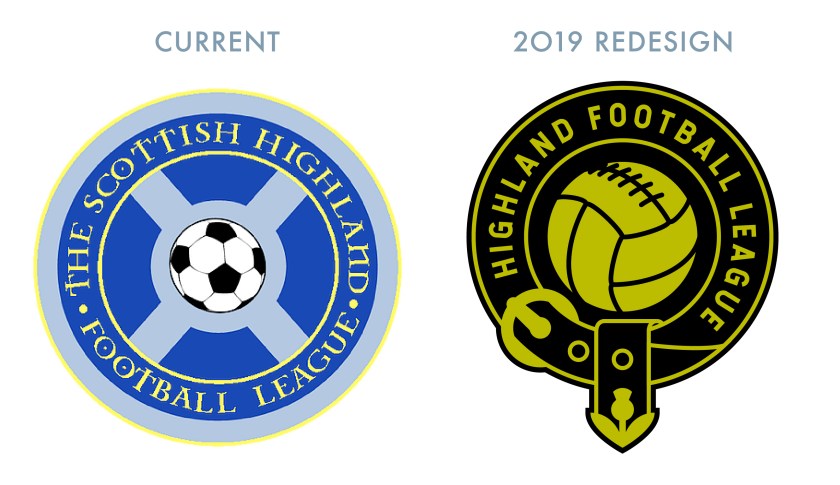


 Stirling Albion Football Club was established in 1945. The club’s formation was tied closely to the end of the Second World War and the dissolution of an earlier Stirling-based club, King’s Park FC (1875). King’s Park were members of the Scottish Football League from 1931 until 1939. In 1940, their home ground, Forthbank Park, was bombed by the Luftwaffe and King’s Park never played again.


 Queen’s Park Football Club was established in 1867, making it the oldest football club in Scotland. It can be argued that no single club has had such an influence on the game of football in Britain—and in turn, the world—than Queen’s Park. They invented the passing game (as opposed to the tactic of a ‘rolling-maul’ like that used in rugby, the primary tactic employed by all other football clubs of this early era), as well as the crossbar on goals, the half-time interval and free kicks.


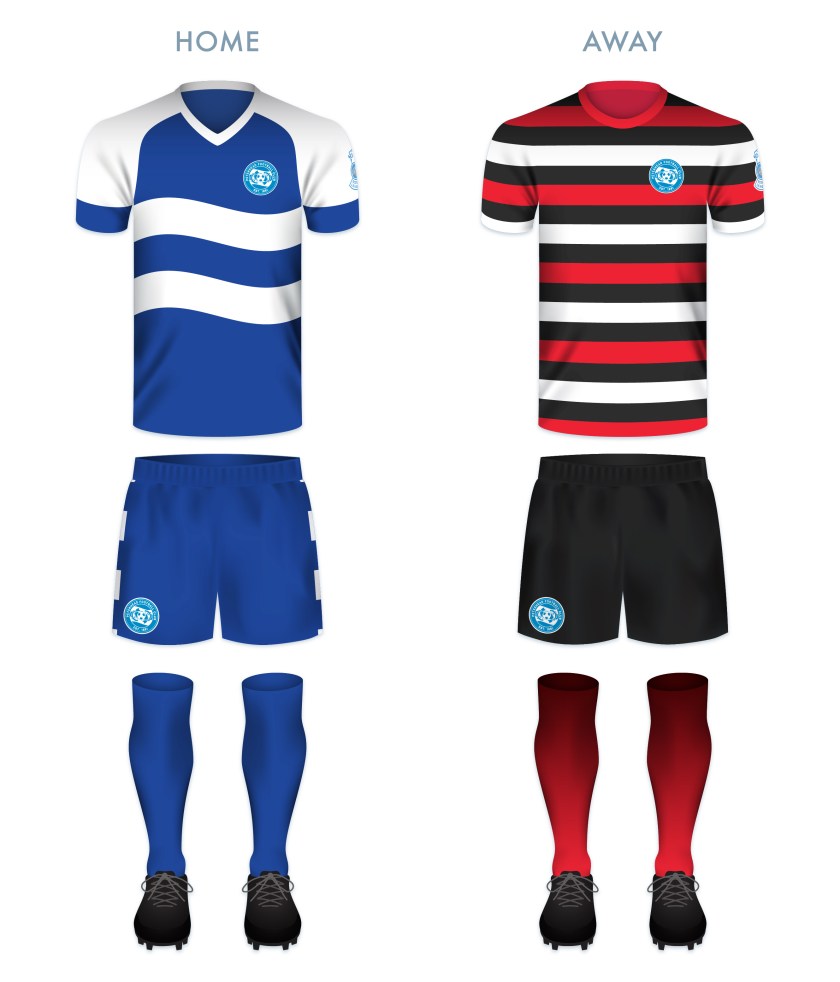
 Peterhead Football Club was established in 1891 by a number of local football enthusiasts. The passion of this young club caught the attention of the town’s Feuars Managers and a plot of land was gifted to the club within Peterhead’s Raemoss Park. Recreation Park, as it this original home ground was called, opened that same year. Although the stage was set for competition, Peterhead would have to wait until their admittance into the small Aberdeenshire Football Association (consisting of only six sides) in 1900 before playing competitive football.

 ellliottt