
 Tranent Juniors Football Club was established in 1911 in the town of Tranent, East Lothian. The Belters, as they are known, competed in the Scottish Junior Football Assocation for the vast majority of their existence. During their pre-Lowland League days, the greatest honour they enjoyed was winning the 1934/35 Scottish Junior Cup with a landslide 6–1 victory over Petershill at Ibrox Park (home of Rangers FC).
For the 2018/19 season, Tranent joined the East of Scotland League. Their time in this league was short, with the club winning the league in the 2021/22 season (finishing with 80 points, the same as Penicuik Athletic, but overwhelming the second-placed side with a +59 to +38 goal difference). This achievment reserved the Belters a spot in the three-match round robin Lowland League play-off. They faced the winners of the South of Scotland and West of Scotland Football Leagues (St Cuthbert Wanderers and Darvel, respectively).
During the mini-tournament, they trounced their opponents, finishing without conceding a goal and accumulating nine goals and two victories in the process. For the 2022/23 season, Tranent replaced Vale of Leithen (who were relegated from the Lowland League after finishing the 2021/22 season with a dismal record of one win, two draws and 31 losses). Upon entering the Lowland League, Tranent Juniors retained their name, despite having reached the heights of senior football, in order to call back to their long junior league heritage.
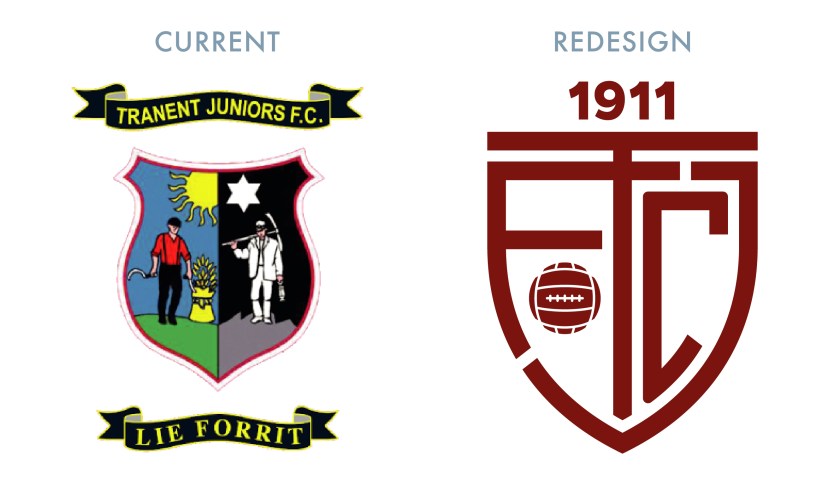
The current Tranent badge consists of a centerpiece of the Tranent coat of arms, topped with a banner containing the club’s name and another banner containing the club’s motto on the bottom. In redesigning this badge, I kept wanting to move away from the busy detail of the current badge. The Tranent coat of arms references the town’s assocaition with agriculture and coal-mining, with the left half portraying a farm worker harvesting by day and the right half portraying a coal-miner working by night. A crossed hammer and sickle would have served as an excellent minimalistic image, but its other associations would detract from the meaning of the badge. And while I appreciate the Scots ‘LIE FORRIT’ (‘lie forward’) motto, I decided to do away with all but the club’s initials (TJFC) and year of founding in the redesigned badge.
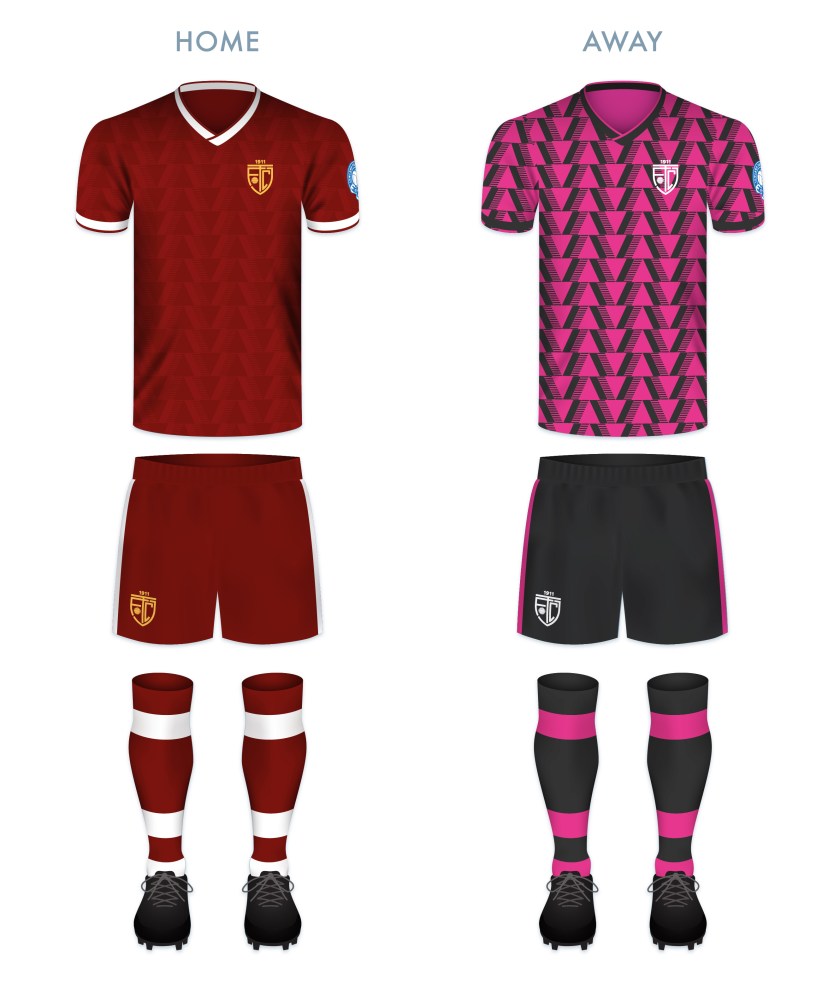
The kit redesigns are based on Tranent’s historical colour scheme (maroon and white) and current away colour scheme:

 Edusport Academy was established as a residential football academy in 2011 with the aim of developing young French players and giving them the opportunity to improve their English language skills. The purpose behind refining these skills was to give the young footballers an edge in entering into the professional game in Britain.

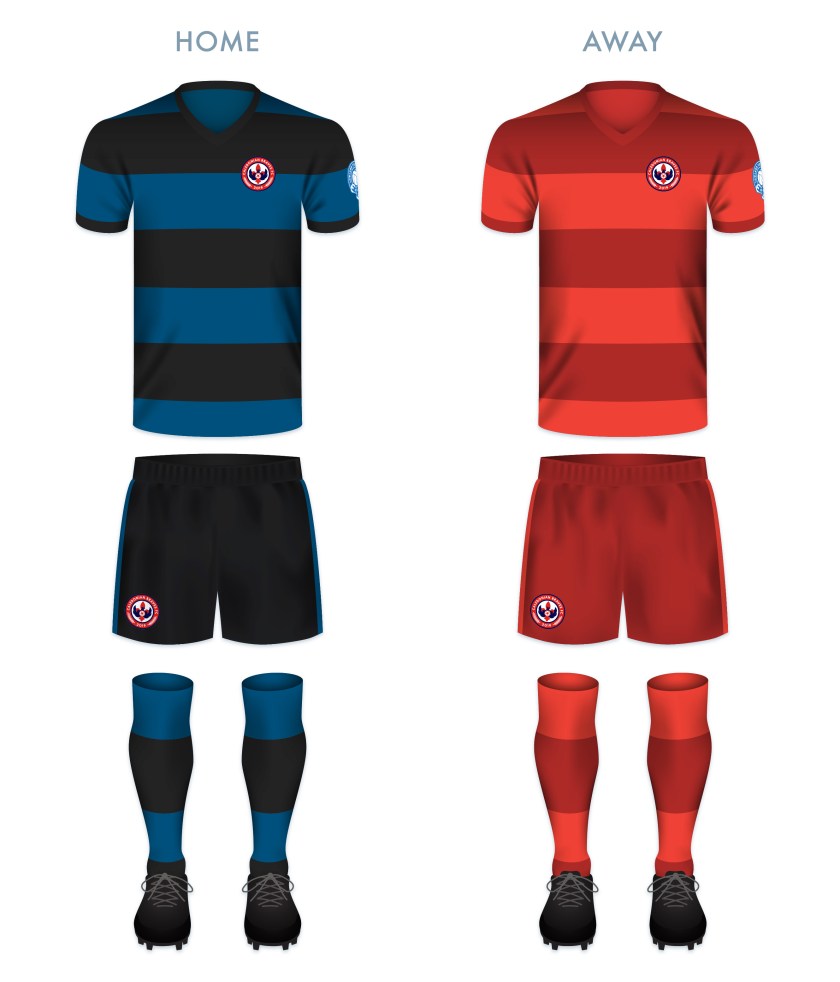

 Edusport Academy was established as a residential football academy in 2011 with the aim of developing young French players and giving them the opportunity to improve their English language skills. The purpose behind refining these skills was to give the young footballers an edge in entering into the professional game in Britain.
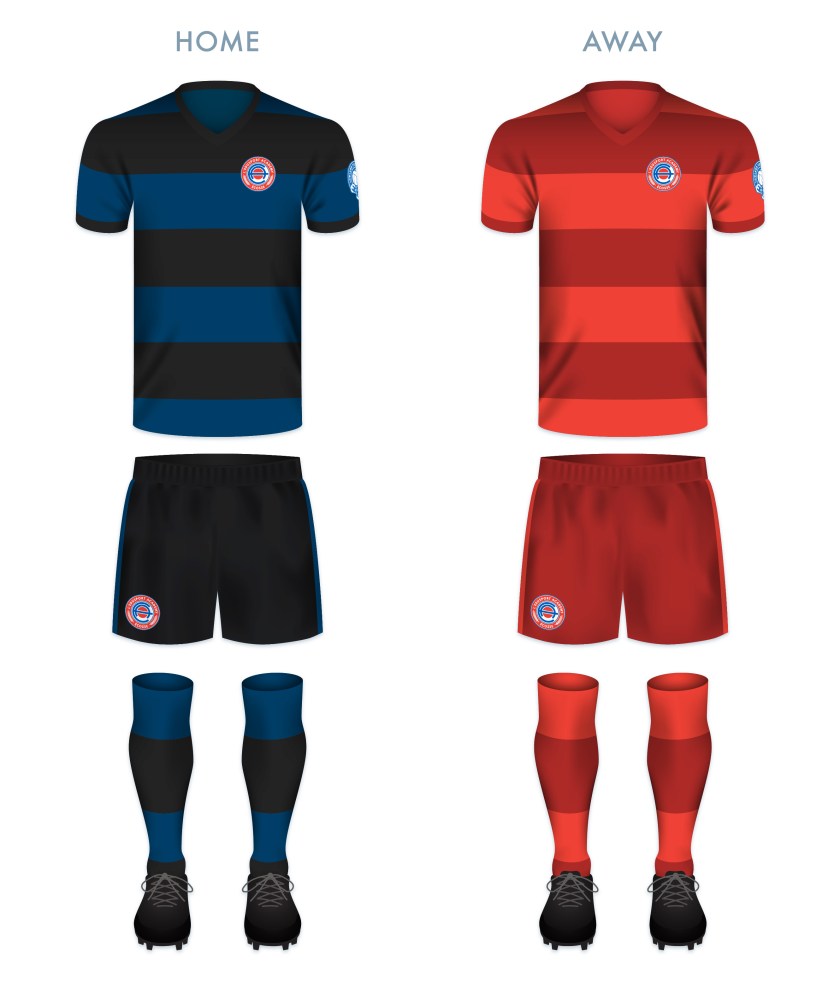

 Nairn County Football Club was established in 1914 and gained admittance into the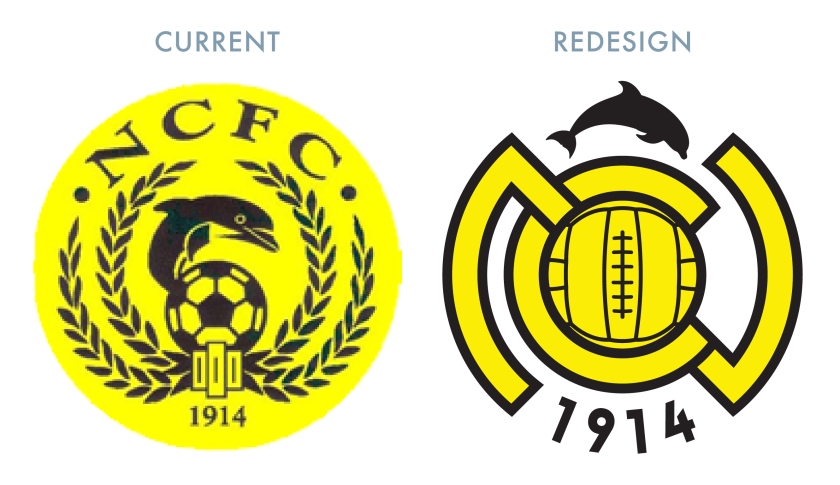
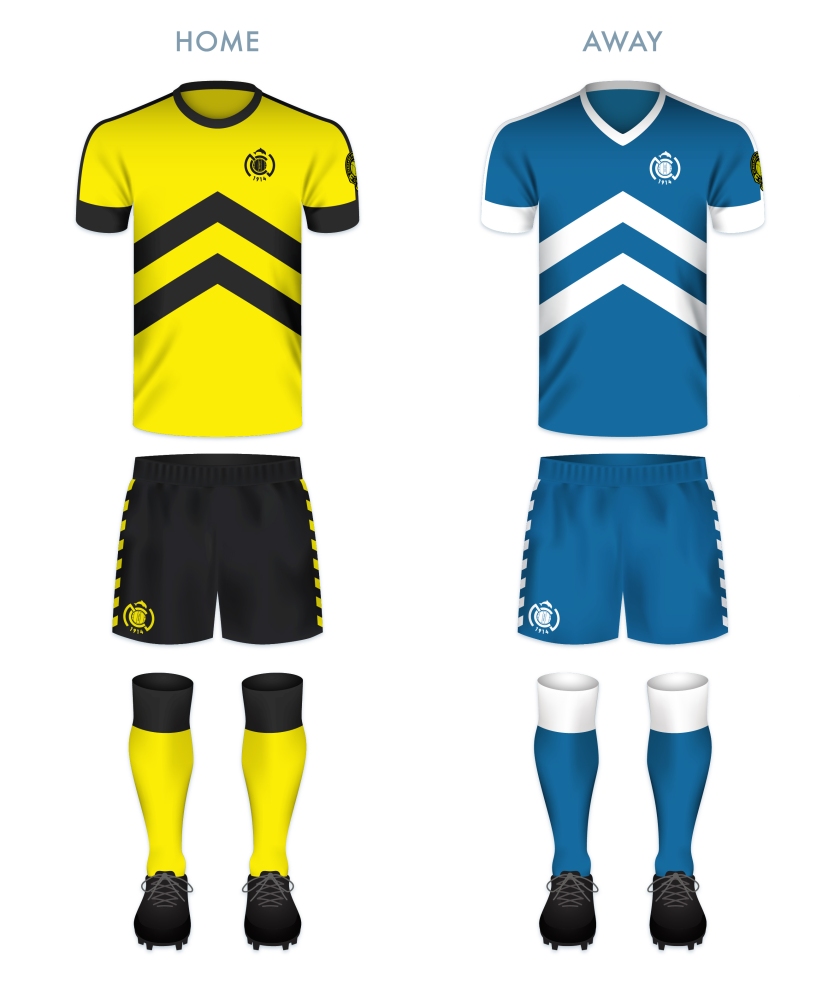

 Cove Rangers Football Club was established in 1922. The club takes its name from Cove Bay, located in the southeastern corner of the city of Aberdeen, in which they play.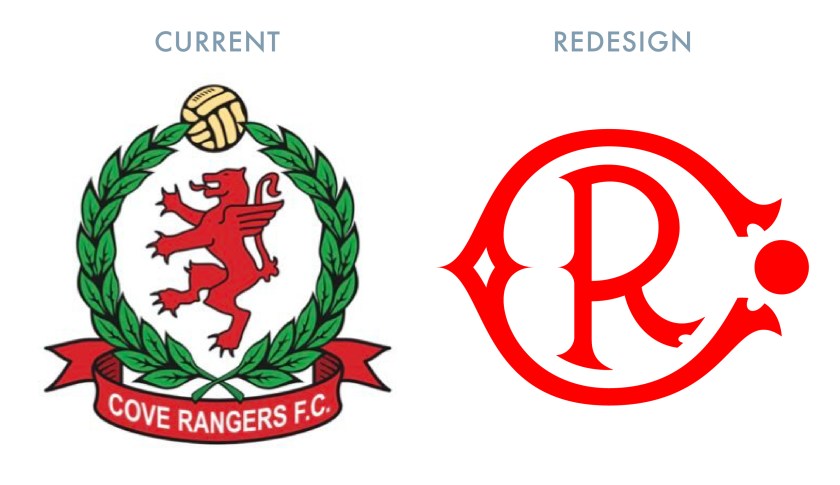


 Stirling Albion Football Club was established in 1945. The club’s formation was tied closely to the end of the Second World War and the dissolution of an earlier Stirling-based club, King’s Park FC (1875). King’s Park were members of the Scottish Football League from 1931 until 1939. In 1940, their home ground, Forthbank Park, was bombed by the Luftwaffe and King’s Park never played again.


 Edinburgh City Football Club was first formed in 1928 as an amateur side, akin to Queen’s Park. Although the club joined the Scottish Football League in 1931, they struggled throughout the fifteen subsequent seasons and reverted to junior status in 1946. By 1955, the lease at their playing ground (City Park) expired and the football club folded, continuing only as a social club.
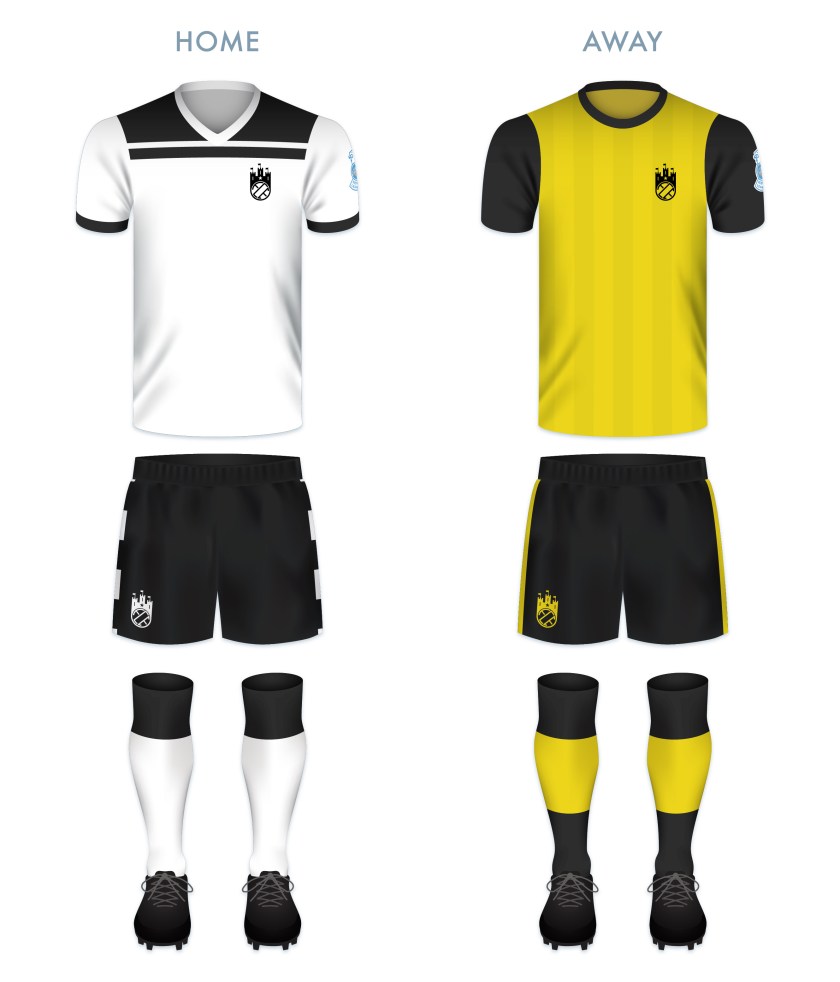

 Annan Athletic Football Club was established as a junior side in 1942. Following the dissolution of the Dumfries and District Junior League in the early 1950s, Annan Athletic joined the Carlisle and District Football League.


 Forfar Athletic Football Club was established when the now-defunct Angus Athletic Football Club (1883-1885) second team of the broke away from their mother club in 1885. This young team, dubbed ‘the Loons’ (East Angus Scots for ‘young men’) proved their meddle early on, defeating the established Dundonian club, Our Boys, 1-0 in their first match on 16 May 1885.


 The history of football in the conurbation of Levenmouth, East Fife dates from as early as 1879, when junior side Cameron Bridge Football Club was formed. A number of other junior clubs were formed in the late nineteenth century, most notably, Leven Thistle (in the late 1880s), Methil Rovers (1893) and Buckhaven United (1890-91, and then again in 1897). In 1901, Methil Rovers folded and the following year, Leven Thistle, who had changed home ground numerous times, settled in their final home, Town Hall Park, Methil.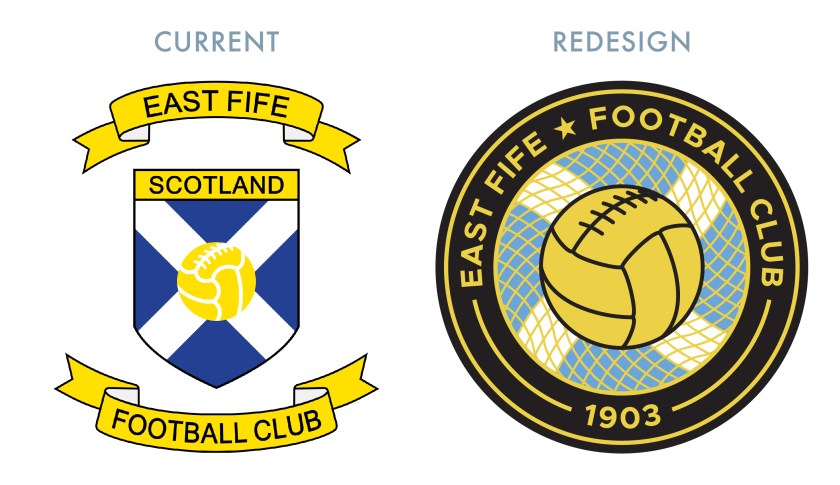


 ellliottt