
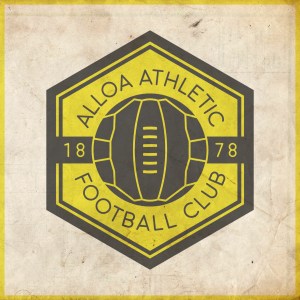
 Alloa Athletic Football Club was established as Clackmannan County Football Club in 1878. The following season, the club changed its name to the Alloa Association Football Club. The local press misinterpreted ‘AAFC’ as Alloa Athletic Football Club, which became the club’s official name from 1883. That same year, the club was admitted to the Scottish Football Association.
In these early decades, Alloa competed in the now-defunct Scottish Football Union and then the Central Football League. After the First World War, in 1921, the Central Football League was absorbed into the Scottish Football League as the Second Division. That season, Alloa won the title, gaining promotion to the top flight for the first time. This spell was short-lived, as the club was relegated after only one season. Alloa returned to the top flight in the 1938/39 season, but with the outbreak of the Second World War, regular league football was put on hold and Alloa would not return to the top tier.
Alloa’s first shirt, from its Clackmannan County days, consisted of black and orange hoops. From 1898 until 1972, the black and orange (or gold) hoops became the club’s standard and they gained the nickname ‘the Wasps’. (The hoops disappeared for a couple of decades, apparently as a cost-saving measure.) Alloa’s kit first featured a badge in 1985. This badge consisted of a more-or-less anatomically accurate rendering of a wasp within a shield. Some version of this badge remained until the current badge was adopted in 2010.
Due to the state of the club’s current badge—in my opinion, far and away the most absurd badge in all of Scottish professional football—I have had my sights set on redesigning Alloa’s badge from several years. Ignoring the illustrative style (which I consider to be farcical, at best), I have difficulty connecting the sleeveless, muscular wasp (with only two limbs, neither of which are legs) with a football club. I toyed with utilising a more identifiably wasp-like illustration, similar to those used by the club from 1985 until 2010, but ultimately, I found the use of the wasp altogether unsatisfactory.
In searching for an alternative, the hexagonal honeycomb concept came to mind. Wolverhampton Wanderers have used a hexagonal badge since 2002 (adapted from the shape of their minimalistic wolf’s head, first used in 1979), though their badge, which sees the hexagon set at 30°, played no influence in my redesign.
The football at the centre of my redesigned badge is of nineteenth-century design, though its sharp angles are made to emphasise the modernistic feel of the new badge. The black band running through the centre of the badge, which bears the year of the club’s founding, echoes the hoop design of the traditional Alloa home shirt.

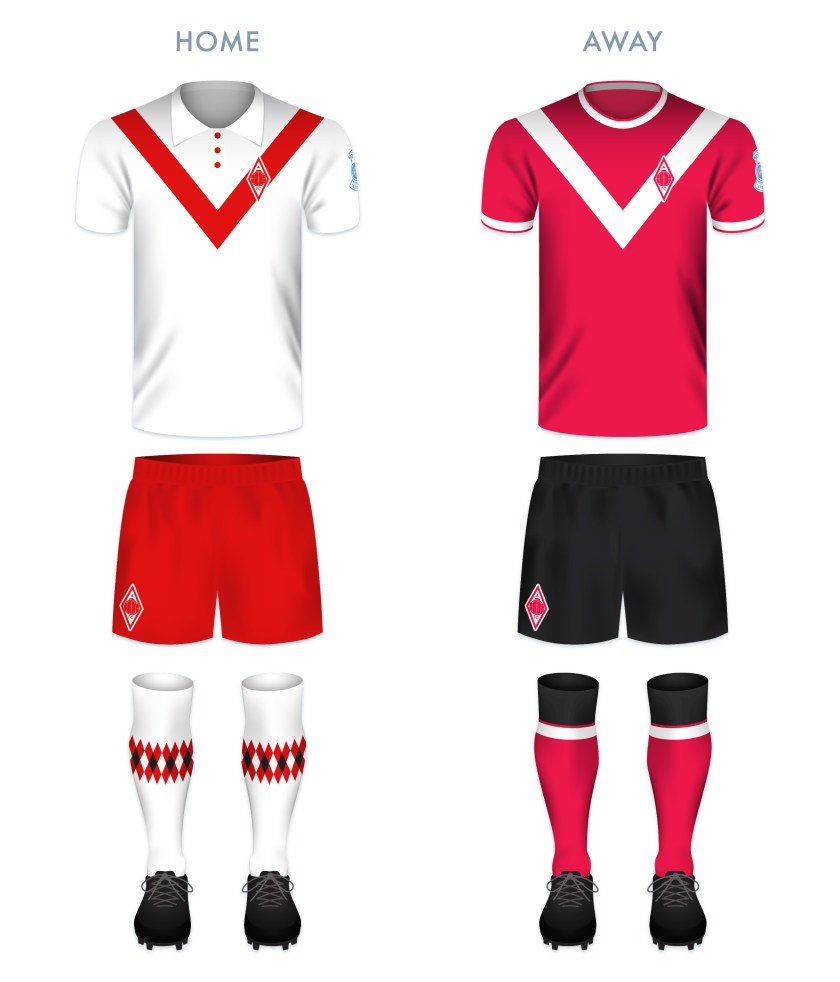
For the home kit redesign, I went with the classic black and gold hoops, complete with a 1970s-styled collar (an admitted anachronism given that this type of collar was used during the ‘cost-saving-no-hoops’ kits of the 1970s). Clean lines throughout emphasise the modern element of the kit. The away kit a variation of the current away kit, with an inadvertent Boca Juniors feel.


As ever, I am indebted to Dave at Historical Football Kits for some of the historical information used above.
 The original Airdrieonians Football Club began its life as Excelsior Football Club in 1878. In 1881, the club’s name was changed to Airdrieonians and it continued as such until its demise in 2002.

 St Mirren Football Club was established in 1877. Similarly to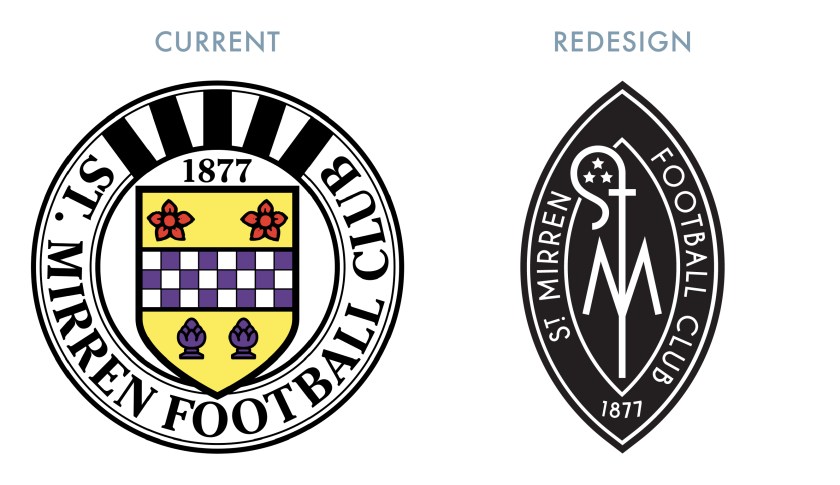


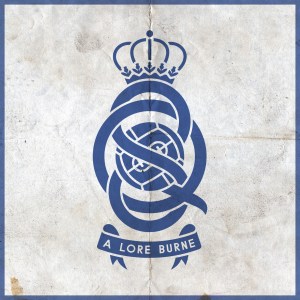 Queen of the South Football Club was established in 1919. This new club was result of a union between three pre-existing clubs: Maxwelltown Volunteers FC (formed in 1896 and renamed 5th King’s Own Scottish Borderers in 1908), Dumfries FC (formed in 1897) and the Arrol-Johnston Motor Company works team. The name, ‘Queen of the South’, was taken from a local poet, David Dunbar, who, while standing for Parliament in the 1857 general election, called the town of Dumfries the ‘Queen of the South’ in one of his addresses.
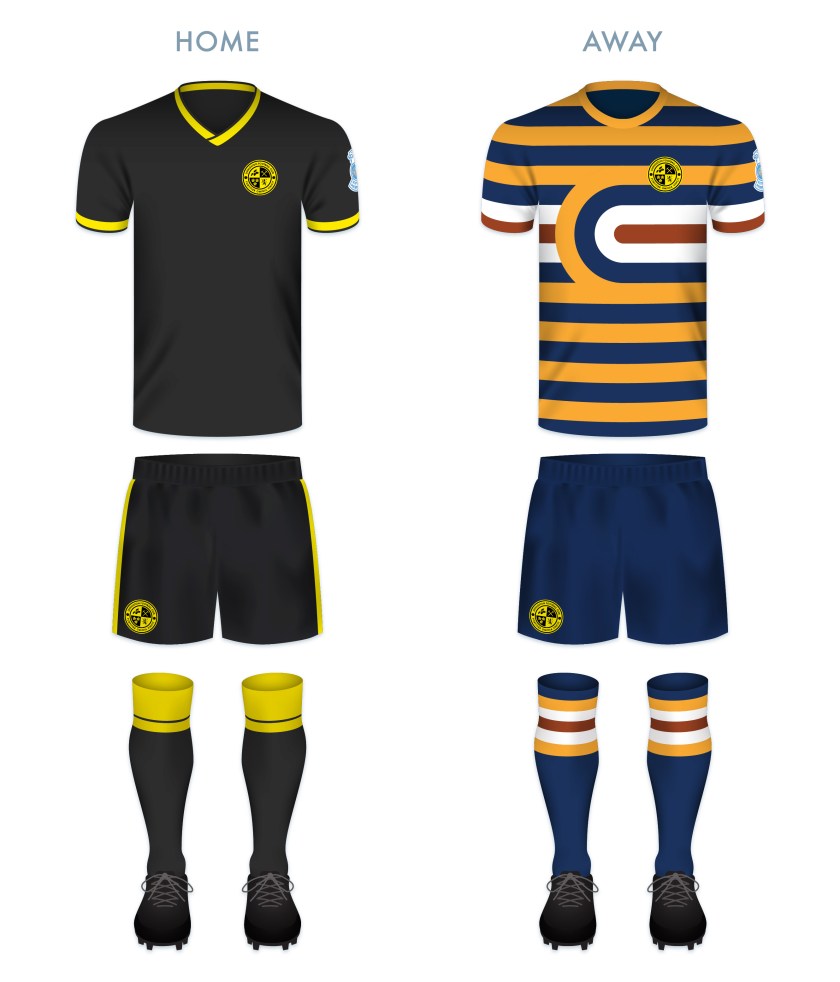
 The history of Livingston Football Club is one of the most tumultuous in all of Scottish football.

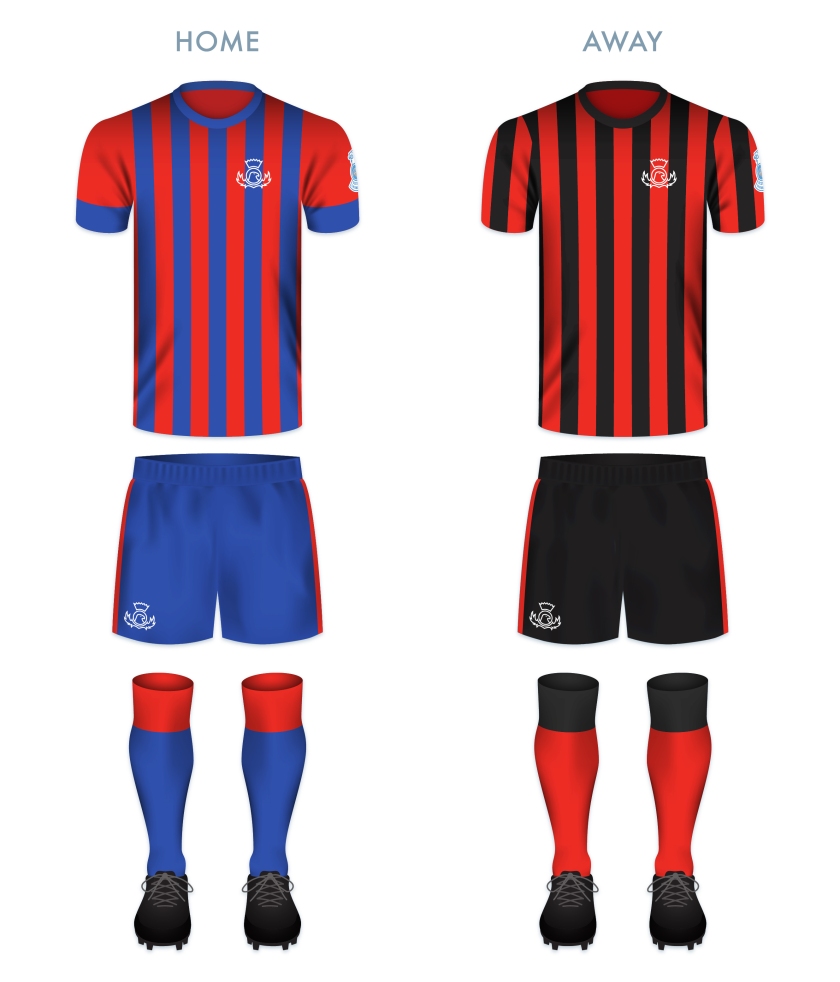
 Caledonian Thistle Football Club was the result of a 1994 union between two historic Invernessian football clubs – Inverness Thistle and Caledonian, both established in 1885. In 1996, Inverness District Council requested that ‘Inverness’ be added to the club’s name. Instead of going the easy route with Inverness United FC or something of that ilk, we have the monstrosity that is ICTFC. More on that later.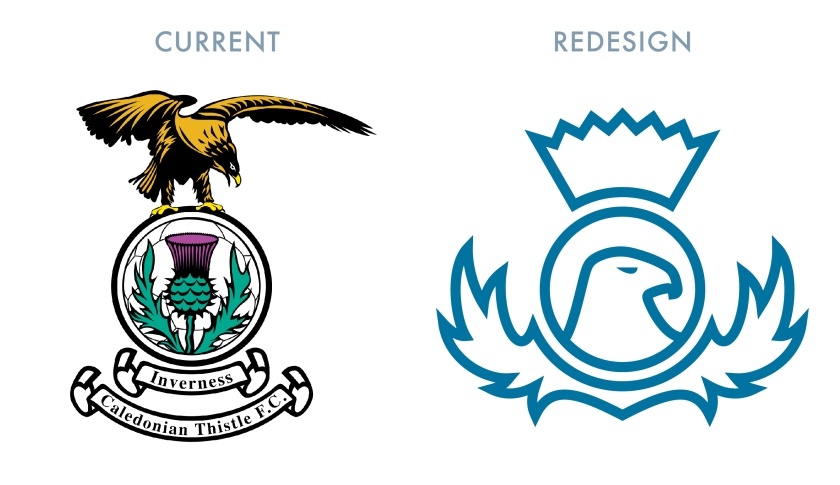

 Greenock Morton Football Club was established as Morton Football Club in 1874, making them the sixth oldest football club in Scotland. The precise origin of the name ‘Morton’ is unclear, though it may have been taken from ‘Morton Terrace’, a row of houses where some of the players stayed beside of the club’s original playing field.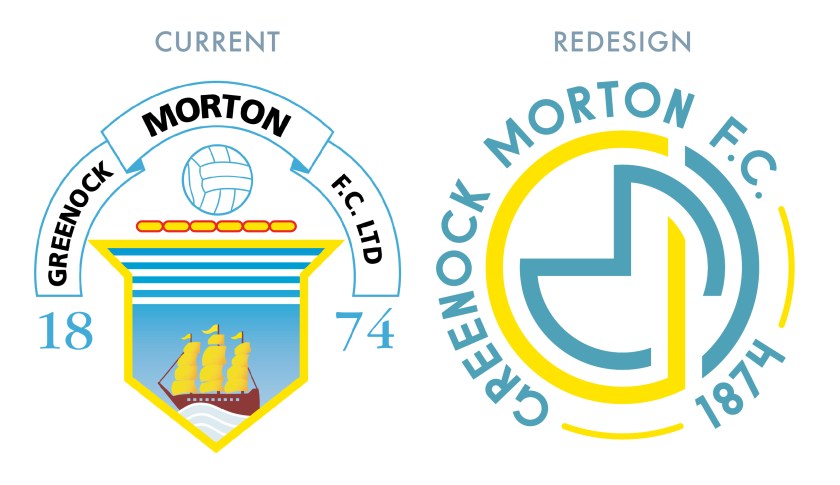


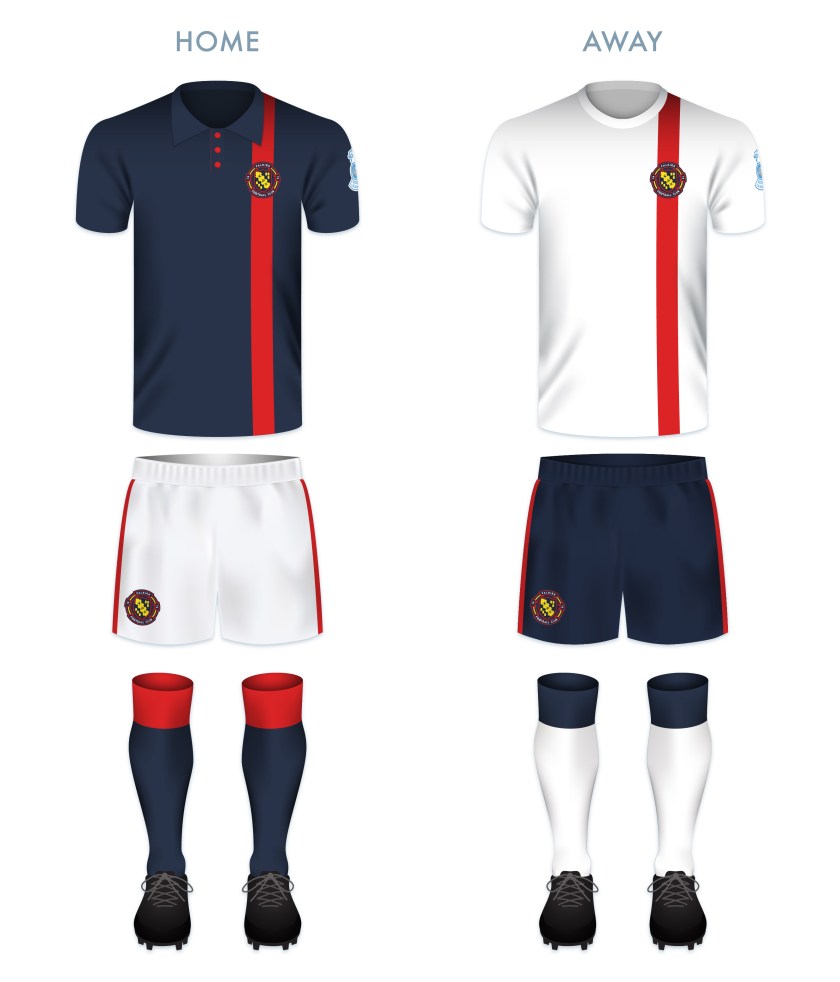
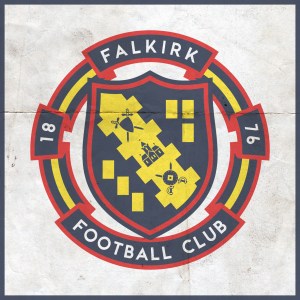 Falkirk Football Club was established in 1876 and joined the Scottish Football Association two years later. During these early years, ‘the Bairns’ (a [primarily] eastern Scots word meaning ‘children’ and for natives of Falkirk, in general) competed in the early rounds of the Scottish Cup and played matches as part of the Stirlingshire Football Association.

 The history of association football in Scotland is tied inextricably to cricket. Along with clubs such as

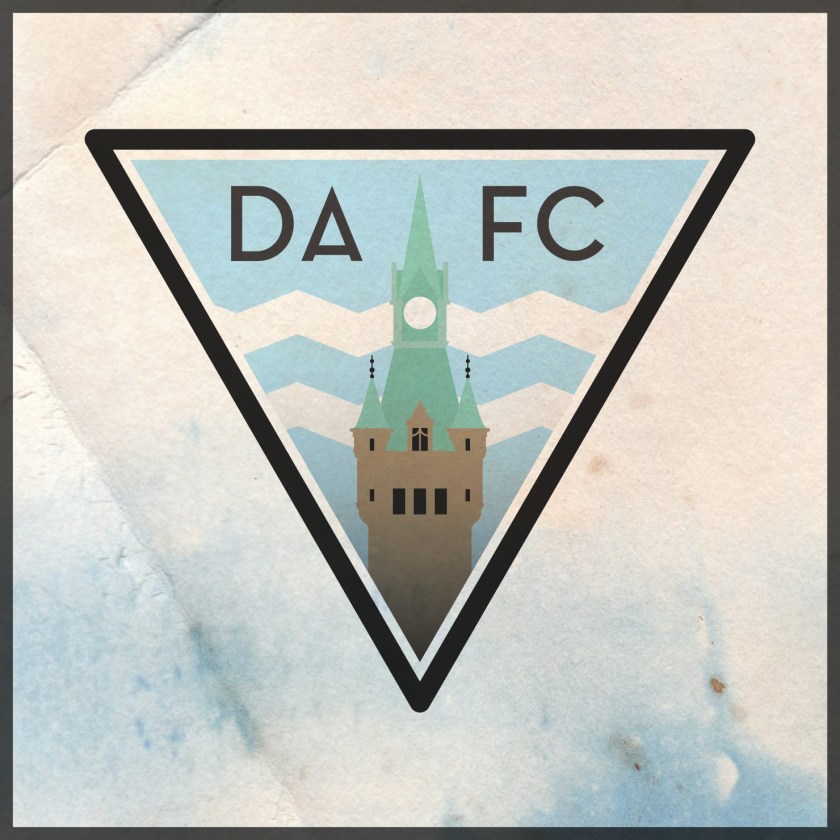
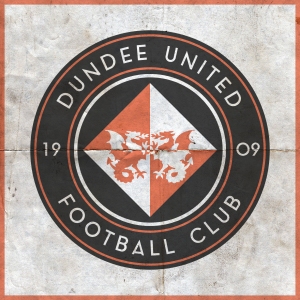 It is recorded that by the middle of the nineteenth century, nearly 20% of Dundee’s population were Irish-born immigrants. As
 ellliottt